

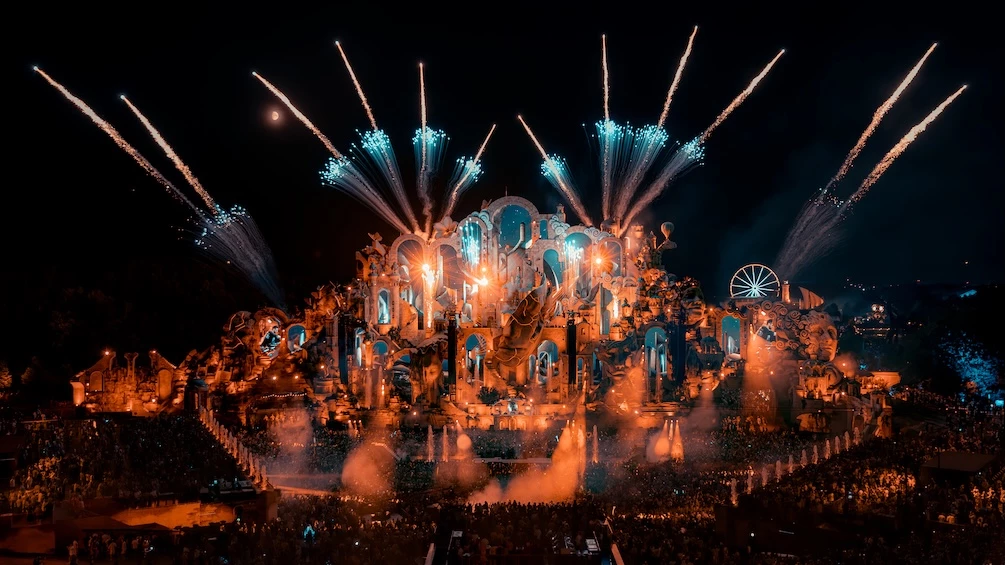
Tomorrowland is creating a strong economic boost for Brussels, even though the world-famous music festival takes place in the town of Boom, about 27 kilometers from the Belgian capital. Hotels, airlines, restaurants, and local businesses are seeing higher demand as thousands of visitors arrive for one of the world’s biggest electronic music festivals.
Industry estimates show that festival visitors are expected to generate around 60,000 overnight hotel stays in Brussels during Tomorrowland. The large number highlights how major events can benefit cities beyond the main festival location.
Brussels has become an important base for international visitors attending Tomorrowland. Many travelers choose to stay in the capital because it offers a wide range of hotels, transport options, restaurants, and tourist attractions before and after the festival.
According to the Brussels Hotel Association, Tomorrowland works with 43 official partner hotels across the city. These hotels welcome thousands of guests from around the world during the festival period.
Many hotels reported very strong demand throughout the event. Hotel Le Plaza, located in central Brussels, said it was completely booked with around 1,000 Tomorrowland visitors staying during the festival.
The hotel also created a special experience for guests by offering a professional make-up service before they traveled to the festival grounds. Hotel management said the goal was to extend the festival atmosphere beyond Boom and give visitors a memorable stay in Brussels.
Although the hotel is known for its classic style, staff introduced special festival-themed services to match the excitement of Tomorrowland. This approach helped create a unique experience for international guests while supporting the city’s hospitality industry.
Air travel has also seen significant growth during the festival. Brussels Airlines welcomed nearly 25,000 Tomorrowland travelers from 106 countries through 409 flights. That represents an increase of around 10,000 passengers compared with the previous year.
The airline continues to offer its popular Tomorrowland party flights, giving festival fans a celebration before they even arrive in Belgium. These special flights include live DJ performances onboard and depart from several European cities.
This year, party flights operated from destinations including Ibiza, Barcelona, and Prague. More than 1,000 passengers signed up to enjoy the unique travel experience before reaching the festival.
The increase in international arrivals reflects Tomorrowland’s growing global popularity. Visitors travel from every region of the world to attend the event, making it one of Belgium’s largest tourism attractions.
The economic benefits extend well beyond hotels and airlines. Restaurants, cafés, retail stores, taxi services, and tourist attractions across Brussels also receive more customers during the festival period.
Local businesses often experience one of their busiest weeks of the year as thousands of international visitors explore the city before and after attending Tomorrowland.
Communities closer to the festival have also benefited from the event. Residents in Boom and nearby towns have earned additional income by offering accommodation, transportation, parking, and other services to festival visitors.
The growing number of tourists supports jobs across several industries, including hospitality, transportation, retail, and entertainment. Tourism experts say major international events like Tomorrowland create economic activity that reaches many different sectors.
Brussels continues to strengthen its position as an important gateway for visitors arriving in Belgium. The city’s international airport, rail connections, and hotel network make it a convenient choice for travelers attending large events.
As Tomorrowland continues to attract visitors from more than 100 countries, its impact reaches far beyond the festival stages. Hotels remain busy, airlines expand services, and local businesses welcome customers from around the world.
The strong tourism numbers show how large cultural events can create lasting value for cities and communities across an entire region. With another successful festival season underway, Brussels continues to enjoy significant economic gains driven by international tourism and one of the world’s most recognized music festivals.

