

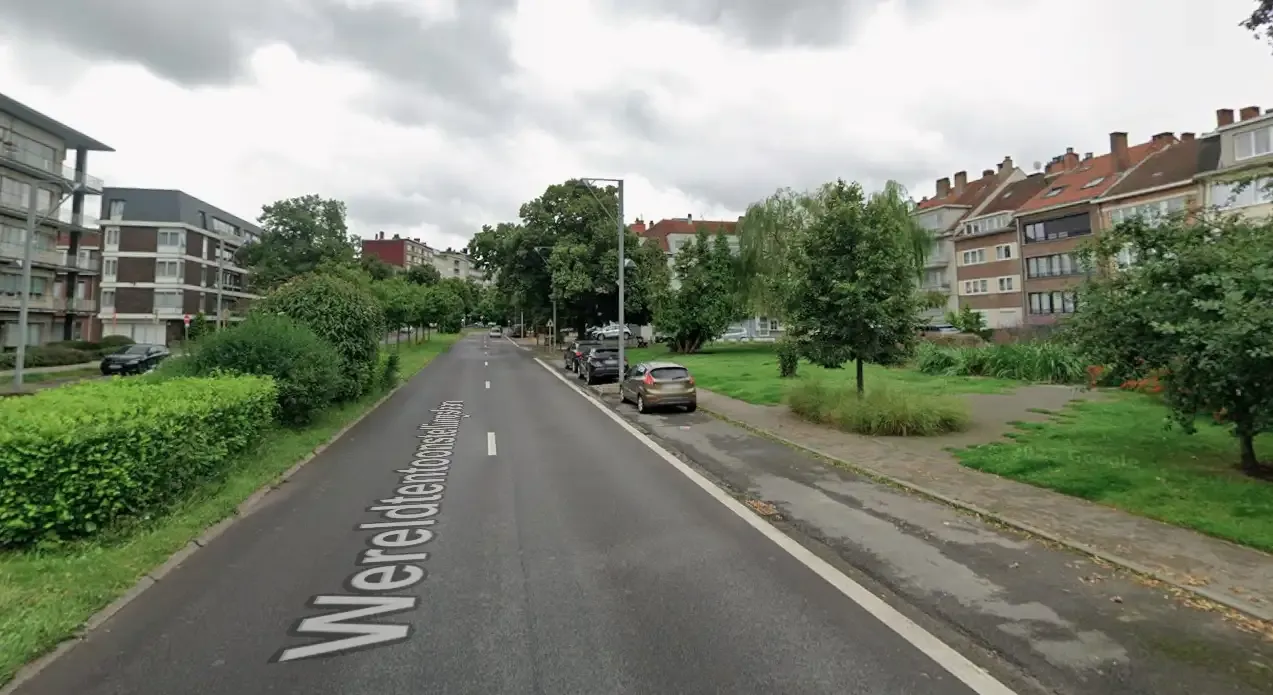
Five people were taken to hospital after a suspected carbon monoxide incident in an apartment in Ganshoren, Brussels, prompting firefighters to issue another warning about the dangers of the colourless gas. Emergency services were called on Sunday, October 25, after one person lost consciousness while showering. The victim was found in a serious condition and received medical attention before being taken to hospital. Four other people were also brought in for medical checks after carbon monoxide readings were detected inside the apartment.
Firefighters found the highest concentration in a bedroom next to the bathroom, while elevated levels were also recorded in the bathroom itself. The apartment had been partly ventilated before emergency teams arrived, but measurements still showed a risk. The gas water heater in the bathroom was switched off, and the apartment was ventilated. The gas meter was sealed, while firefighters checked other apartments connected to the same technical shaft. No raised carbon monoxide levels were found in those other homes.
Carbon monoxide is dangerous because people cannot see, smell, or taste it. It can be produced when fuel-burning appliances do not work correctly or when exhaust gases cannot escape as they should. Exposure can cause headaches, dizziness, nausea, tiredness, and fainting. In serious cases, it can lead to unconsciousness or death. Because the early signs may resemble common illnesses, people may not immediately realise that a gas is present in the home.
The Brussels fire service stressed that a carbon monoxide alarm is important but does not replace proper ventilation and regular maintenance. Gas heaters and other fuel-burning appliances need to be checked to make sure they are working safely. Exhaust channels must also remain clear so that dangerous gases can leave the building. A poorly maintained appliance, blocked flue, or inadequate airflow can create a risk even when people believe their home is safe.
The incident also shows why symptoms affecting several people in the same home should be treated seriously. If more than one person develops sudden headaches, dizziness, nausea, or unusual weakness, the cause may be something in the shared environment. People should not wait for every symptom to appear before seeking help. If carbon monoxide is suspected, residents should leave the building immediately if it is safe to do so and call emergency services.
Ventilation is important, but opening windows should never delay leaving a dangerous environment. A person who has already become dizzy or faint may be at risk of falling or losing consciousness again. Emergency teams can assess the situation and arrange safe access to the property. Residents should avoid returning until the relevant services say it is safe.
The incident comes as households begin using heating and hot-water appliances more often during cooler weather. That makes regular maintenance and awareness especially important. Landlords, property managers, and residents all have a role in making sure appliances and ventilation systems are in safe condition. Building managers should also respond quickly when residents report problems with gas equipment or exhaust systems.
The condition of the first victim was described as serious, while the four others were taken to hospital for medical checks. The incident serves as a reminder that carbon monoxide risks can develop inside ordinary homes without visible warning signs. A working alarm, regular appliance checks, and proper ventilation can reduce danger, but people must also know how to react when exposure is suspected. Leaving the property and contacting emergency services quickly can save lives.

