

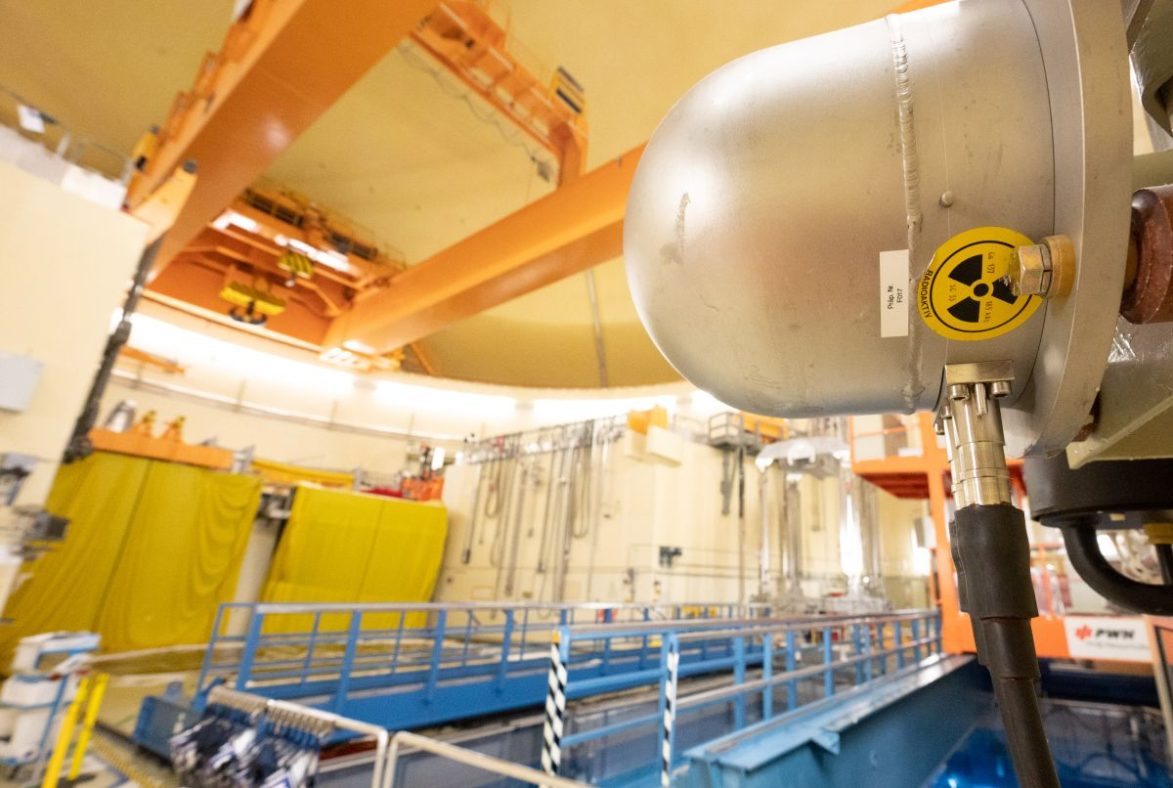
Germany has approved a plan to expand a nuclear fuel production site in the town of Lingen. The decision has started a new debate across the European Union. Many leaders and energy experts are worried that the project could keep Russian nuclear technology inside the European energy market.
The approved project will allow a joint venture to produce special hexagonal nuclear fuel rods. These fuel rods are used in several older nuclear reactors across Central and Eastern Europe. The reactors were built during the Soviet era and still provide electricity for millions of people.
The fuel production site is operated by a company linked to France’s state-owned energy sector. Under the agreement, a subsidiary of Russia’s Rosatom will supply the technology, licenses, and technical support needed for the project. While the fuel will be made in Germany, the production process will depend on Russian nuclear expertise.
The decision has raised concerns because many European countries have worked to reduce their dependence on Russian energy since the start of the war in Ukraine. Several experts believe this project could create a new form of energy dependence.
Supporters of the project say it will help secure fuel supplies for countries that still operate Soviet-designed nuclear reactors. These include Czechia, Bulgaria, Slovakia, Hungary, and Finland. They argue that a stable fuel supply is important to maintain electricity production while countries continue their energy transition.
Critics see the situation differently. They say using Russian technology gives Moscow continued influence over Europe’s nuclear industry. They believe the project could weaken the European Union’s efforts to reduce economic links with Russia.
Energy specialists also warn that the project depends on Russian licenses and technical knowledge. Even if manufacturing happens inside Germany, they say the production process cannot operate without Russian cooperation.
Some lawmakers have compared the issue to Germany’s past reliance on Russian natural gas. Before 2022, Germany imported large amounts of Russian gas. That dependence became a major problem after the conflict in Ukraine expanded and energy supplies were disrupted.
Several European politicians now say the same mistake should not happen again with nuclear fuel. They argue that Russia has used energy exports as a political tool in the past and could continue doing so through the nuclear sector.
The approval has also created political disagreement inside Germany. Officials in Lower Saxony, where the facility is located, said they believed existing legal rules left them with little choice but to approve the permit. State leaders also said they would have preferred stronger European rules limiting Russian nuclear cooperation.
Germany’s federal environment officials responded by saying the regional authority made its own independent decision under current law. Both levels of government have pointed to the European Union, saying stronger EU legislation is needed if Russian nuclear involvement is to be reduced.
The European Commission has already introduced several rounds of sanctions against Russia. These measures target many industries, including banking, trade, and other parts of the energy sector. However, Russian nuclear companies have largely avoided similar restrictions.
One reason is that several European countries still depend heavily on Russian nuclear fuel and reactor technology. Many older reactors across Eastern Europe continue to operate using systems originally designed in the Soviet Union.
Reports suggest that different views among EU member states have slowed progress on new restrictions. Some governments want stronger action against Russian nuclear businesses, while others remain concerned about maintaining stable electricity supplies.
European officials have previously discussed new measures that could reduce imports of Russian nuclear materials. One possible option would place higher tariffs on these products instead of full sanctions. This approach could be easier to approve because it would not require unanimous support from every EU member state.
So far, no final proposal has been introduced.
The approval of the Lingen project now places additional pressure on European leaders. Many governments must balance energy security, reliable electricity supplies, and efforts to reduce dependence on Russian technology.
As discussions continue, the future of Europe’s nuclear fuel supply remains an important issue. The debate is expected to shape future energy policy as the European Union works to strengthen its energy independence while maintaining stable power generation across the region.

