

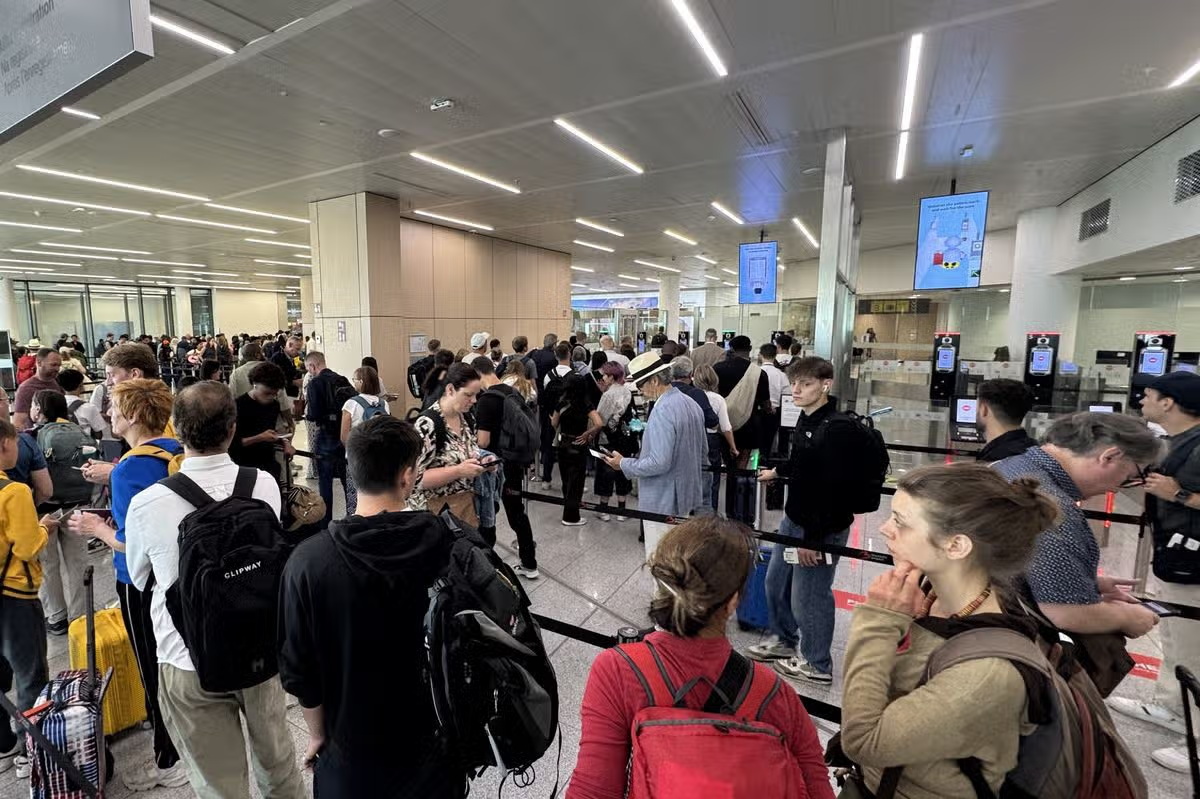
Thousands of UK travellers are facing long waits at European airports this summer as the new digital border system creates major delays. Some passengers have reported queues lasting several hours, with some travellers at risk of missing their flights.
The delays are linked to the European Entry Exit System (EES), a new digital border process introduced by the European Union. The system changes how non European citizens, including UK visitors, pass through border checks when entering or leaving the Schengen area.
The new system replaces traditional passport stamping with a digital record. During their first border crossing, travellers must provide biometric information, including a facial image and digital fingerprints. The data is collected at self service kiosks before passengers continue through border control.
While the system aims to make border checks faster and more secure in the future, the introduction period has created pressure at many airports. Large numbers of passengers arriving during busy holiday periods have increased waiting times.
Airline groups and airport organisations have warned about serious passenger backlogs. During the busiest travel periods, some travellers have faced passport control queues lasting up to five hours.
In some cases, passengers have been forced to wait outside airport buildings or in areas normally used for aircraft operations. Airlines have also reported cases where planes left with empty seats because some passengers were unable to complete border checks before departure.
Travel experts say the exact airports with the longest delays are difficult to confirm because official waiting time data is limited. However, reviews, traveller reports, and online discussions show that some airports are experiencing more serious problems than others.
An analysis of more than 100 travel forums and hundreds of passenger reports identified 11 airports where travellers have reported major EES related delays.
The problems are expected to be worse during peak summer travel periods when millions of people travel across Europe. Airports with high numbers of UK visitors are facing additional pressure because British citizens are among the largest groups affected by the new checks.
Passengers are being advised to arrive much earlier than usual for international flights. Travellers who normally arrive two hours before departure may need extra time, especially when flying from busy airports.
The introduction of biometric checks has also created challenges because many passengers need to complete the registration process for the first time. Families, older travellers, and people unfamiliar with digital systems may require additional assistance.
Airports and airlines are working to manage the situation by adding staff, improving passenger information, and increasing support around border control areas. However, officials say the process may continue to cause disruption while travellers and staff adjust to the new system.
The European Union introduced the EES to improve border security and create a more modern travel system. Once fully operational, the system is expected to reduce manual checks and provide better information about entries and exits.
However, the early stages have caused frustration among many holidaymakers. Some passengers say the long queues have created stress and uncertainty, especially when they have connecting flights or strict departure times.
Travel companies are encouraging passengers to prepare before arriving at airports. Checking travel documents, following airport guidance, and allowing extra time may help reduce problems during busy periods.
As summer travel continues, UK tourists are being warned that border delays may remain a possibility at several European airports. The new digital system is expected to improve travel in the long term, but the transition period is creating significant challenges for passengers today.

