

The European Union faced fresh pressure on Gaza policy in Brussels on Tuesday, August 25, 2026. The European Commission said that civilians must be safe. It also said forced removal of Palestinians is not acceptable. The statement came as fighting in Gaza grew more intense and debate over Israeli settlement plans also grew.
At the Commission press briefing in Brussels, foreign affairs spokesman Anouar El Anouni said harsh and hateful words were not acceptable. He said all sides should work to lower tension, not raise it. He also said acts of fear, abuse and settler violence must stop.
The EU has kept a clear line on the need to protect civilians. El Anouni said children must be protected at all times under the rules of war. He also said Israel has a duty under global law to protect the Palestinian people in areas under its control.
The comments came after new reports of attacks in Gaza. Questions at the briefing focused on the use of children’s paper notes as a reason for more attacks. The Commission was also asked about strong remarks by senior Israeli figures.
El Anouni said the EU had strongly rejected such remarks. He said the Israeli government must act against language that can fuel hate and more violence. He also pointed to a proposal in the EU Council to place Israeli National Security Minister Itamar Ben Gvir on a human rights sanctions list.
The Gaza issue was not the only concern raised in Brussels. The Commission also spoke about Israeli plans for more homes in the E1 area of the West Bank. The plan covers more than 1,200 housing units, according to the Commission.
The EU said the E1 plan could split the West Bank. It said this could cut East Jerusalem off from other parts of the West Bank. The Commission warned that this would make a future peace deal harder to reach.
The EU said settlements in the West Bank, including the E1 area, are illegal under international law. It urged Israel to stop the E1 plan and other plans to expand settlements. It also called for action against people linked to settler violence.
The issue matters far beyond Israel and Palestine. Brussels plays a key role in the West’s foreign policy debate. EU states are also under pressure from the United States, Arab states and European voters to take a clear line on the war.
Belgium also sits at the center of this debate because Brussels hosts key EU bodies. That gives Belgian officials and public groups a close view of every major shift in EU policy on Gaza and the wider region.
The EU has again backed a two-state plan. The Commission said Israel and Palestine should live side by side as two democratic states. It said both should have peace and security within safe and accepted borders.
This position shows the limits and reach of EU policy. Brussels can issue strong calls, support aid and set sanctions. Yet many key steps still need the support of EU member states. That can make fast action hard.
The latest remarks also show how Gaza has become a wider test for Europe. The war affects aid, trade, security and ties with the Middle East. It also shapes debate in Brussels about Europe’s role in global affairs.
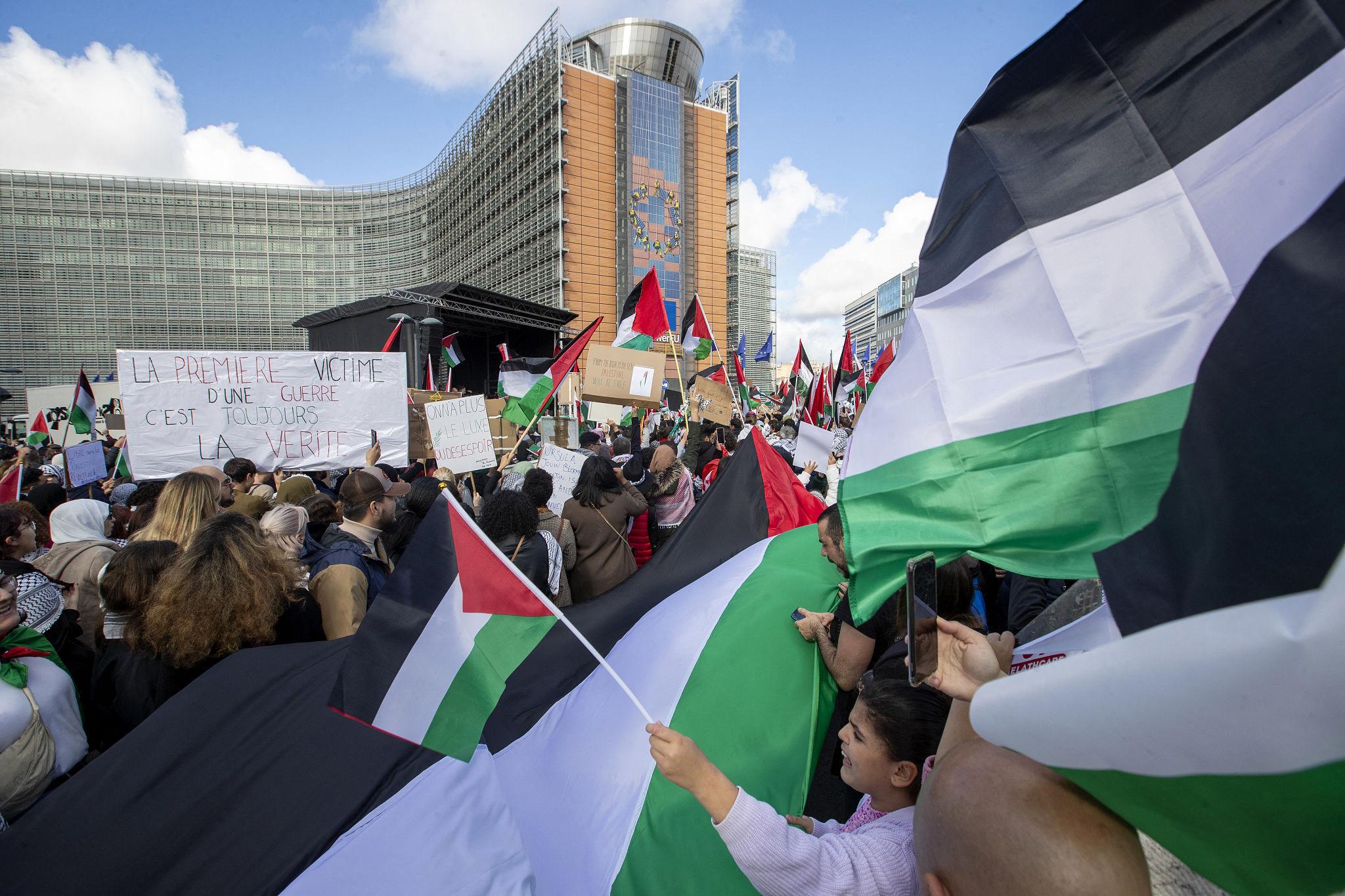
For Belgium, the issue has a direct public impact. Brussels has seen large rallies over Gaza and strong debate over Belgium’s role in the conflict. The capital is also home to the main EU institutions, making it a key place for talks on the war.
The August 25 briefing did not announce a new EU peace plan. It did, however, set out a firm public view. The EU said civilians must be protected, forced removal must stop and settlement growth should be halted.
As the Gaza war continues, Brussels is likely to face more calls to turn these words into action. The debate may now focus on sanctions, aid, trade and other steps that EU states could support together.

