

A new fight over energy costs is growing in Brussels as Europe feels the impact of the Iran war and the wider Middle East crisis. On August 25, 2026, the European Commission put the issue of a possible windfall tax on energy profits on its daily agenda.
The tax idea has gained support from several EU states. Germany, Spain, Portugal, Italy, Poland and Austria have asked for EU talks on a common plan. Their finance ministers want the issue discussed at an EU finance meeting in Dublin in September.
The plan comes after a sharp rise in oil and fuel costs. The rise has been linked to the blockade of the Strait of Hormuz during the Iran conflict. That water route is vital for world oil trade. Any long disruption can raise costs far beyond the Middle East.
The six states said Europe is facing one of the biggest supply shocks in decades. They said high prices are hurting people and firms. They also said steps taken by governments so far have not done enough to keep prices stable.
Their idea is simple. If some oil firms make very high profits because of the crisis, part of those gains could be taxed. The money could then help ease the cost of high energy prices. The states want the EU to look at a common system instead of many different national rules.
The plan is not yet an EU law. It is a call for talks. The full 27 member states would need to agree on any EU-wide tax plan. That could lead to a long debate over how the tax would work and which firms would pay it.
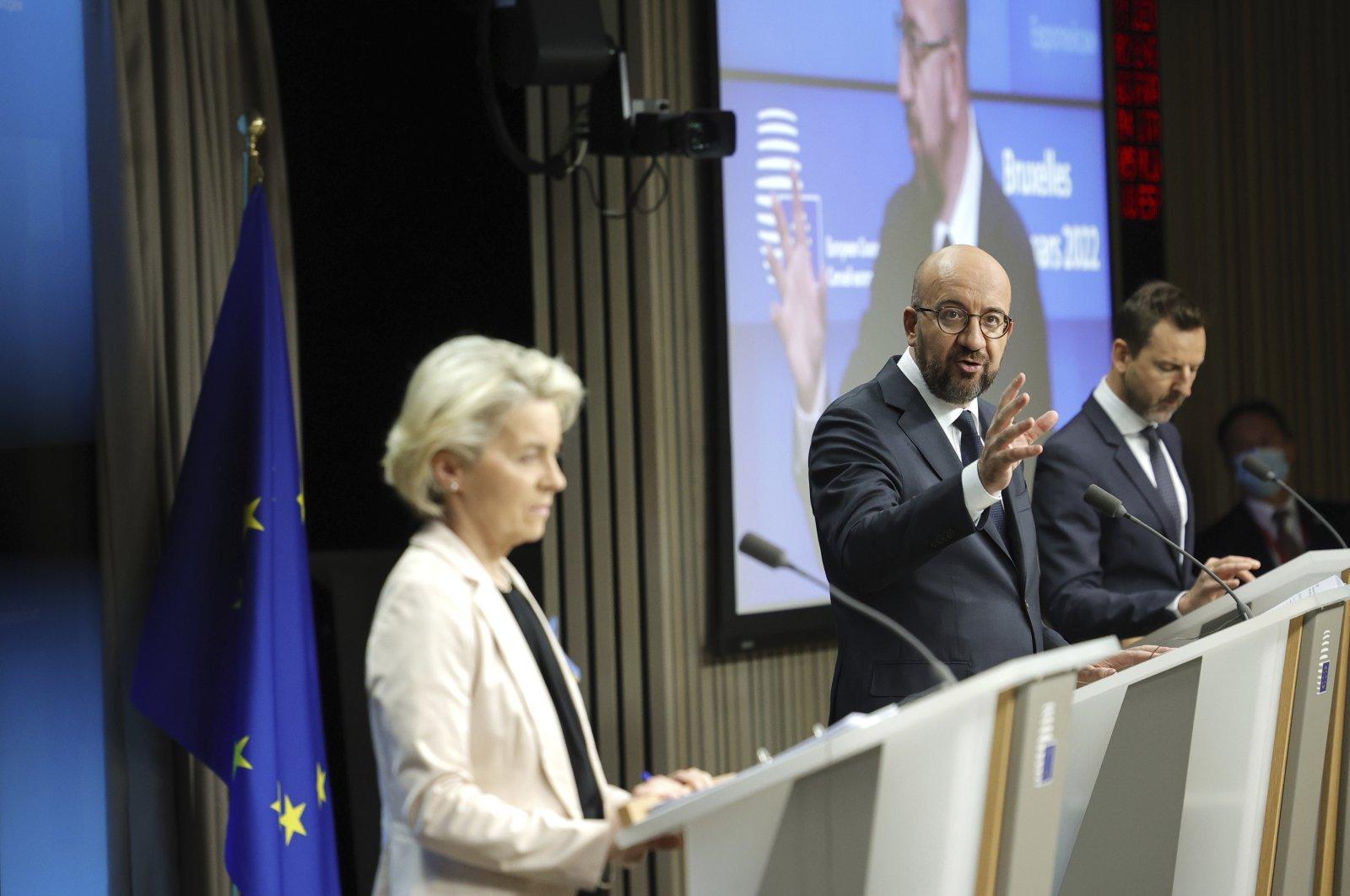
The issue was part of the European Commission’s tax and energy briefing in Brussels on August 25. The discussion shows how a Middle East conflict is now shaping policy in Europe. It also shows how a crisis in one region can affect homes, shops and factories in another.
Oil prices have risen since the start of the Iran war. Refined fuel costs have risen even more. European diesel prices have climbed sharply, while petrol prices have also moved higher. Such rises can push up the cost of travel, food, transport and goods.
For Belgium, the debate has a clear link to daily life. Belgium is a major trade hub and has strong links with EU markets. Higher fuel costs can raise costs for road firms, ports, shops and many other businesses. Households can also face higher bills.
The tax debate also brings a question about fairness. Supporters say oil firms should share the burden when profits rise during a supply shock. They argue that public money is needed to help people cope with higher costs.
Opponents may warn that a new tax could hurt investment. Energy firms may say they need stable rules to spend money on new supply, storage and cleaner power. A tax that is too high could also make some firms move money or work to other markets.
The six EU states also want a close look at refinery profits. They have asked for the results of a European review of refinery margins. Their aim is to see if firms are gaining too much from the current price spike.
The debate is part of a wider push for Europe to protect its energy system. The Iran crisis has shown how fast a war can affect global trade. It has also renewed calls for more local energy supply and less reliance on oil from risky routes.
For Brussels, the next step is talks. The six states want the issue on the agenda of the September 18 and 19 finance meeting. The result could shape how Europe deals with future energy shocks.
The August 25 discussion shows that the Middle East crisis is not only a foreign policy issue. It is also a business issue. Oil flows, fuel prices and company profits can all shape policy in Brussels. The debate over a windfall tax is now one of the clearest signs of that link.

