

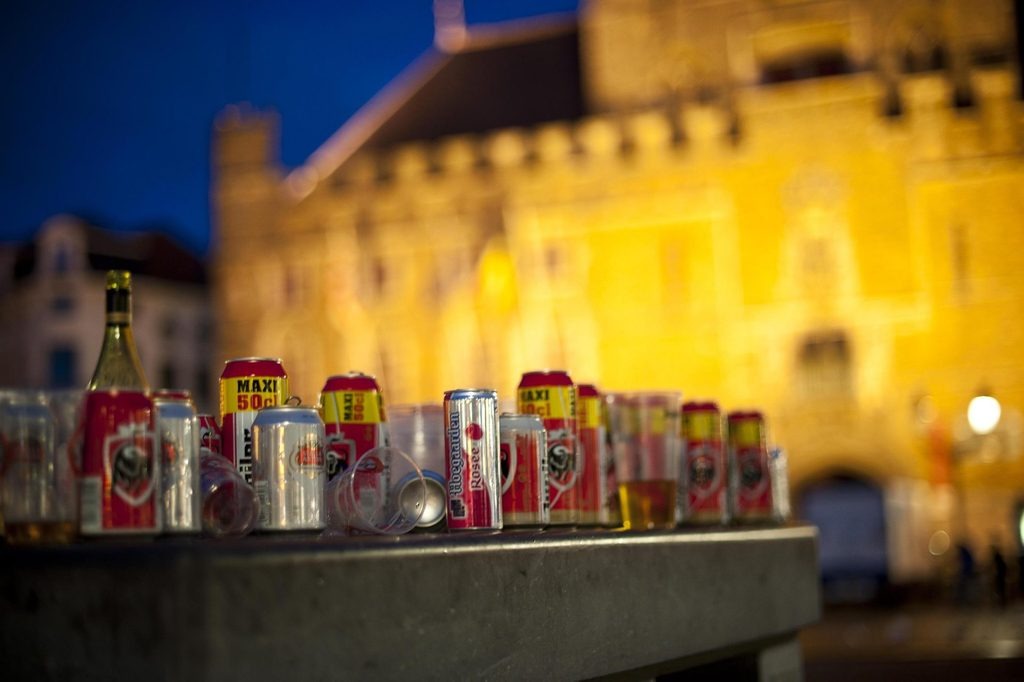
New European packaging rules are now raising fresh questions in Belgium about a possible deposit return system for plastic bottles and cans.
The new Packaging and Packaging Waste Regulation began applying on 12 August 2026. It replaces the EU’s older packaging waste framework and introduces common rules for packaging across the bloc.
The regulation covers packaging made from plastic, paper, glass, metal, wood and other materials. It aims to reduce waste and improve recycling across Europe.
For Belgium, one of the biggest questions is whether the country will need to introduce a national deposit system for drinks containers. Such a system would ask consumers to pay a small deposit when they buy a drink. They would then get the money back when they return the empty container.
The EU rules set a clear direction for deposit and return systems. Under the regulation, member states must take steps to establish systems for single use plastic drink bottles and single use metal drink containers of up to three litres by 1 January 2029.
There is, however, an exemption. A country can avoid this requirement if it reaches a separate collection rate above 90 percent by weight for the relevant packaging in both 2026 and 2027, subject to the conditions in the regulation.
This makes Belgium’s collection performance important. The country will need to assess its current system and determine whether it can meet the required targets without a new deposit scheme.
The new rules are wider than bottles and cans. They also set requirements for recyclability, recycled material, reuse and packaging design. Some types of packaging will face tighter limits, while some harmful substances will be restricted.
PFAS, a group of chemicals linked to environmental and health concerns, are among the substances targeted by the new rules for certain food packaging. The regulation also seeks to reduce unnecessary packaging and improve the way products are designed for recycling.
The changes will affect businesses across Belgium. Producers, importers, distributors and retailers will need to understand the new European rules and prepare for requirements that will take effect at different times.
Belgium’s packaging system is also changing at the national level. From 12 August, the previous 300 kilogram exemption for packaging producer responsibility has been removed. Companies that fall under the new rules must meet wider registration and reporting duties.
The changes could be important for smaller businesses as well. Online shops, importers and firms that place packaged products on the Belgian market may now have new duties under the producer responsibility system.
For consumers, the possible deposit system is the most visible part of the debate. If Belgium introduces one, people could see a direct change when buying drinks. Empty bottles and cans would become items that can be returned for a refund.
For retailers, the change could mean new collection duties and extra costs. Producers may also need to adjust packaging and supply systems to meet the new rules.
Belgian authorities now have time to assess how the European requirements will work in practice. The key issue will be whether the country’s current collection system can meet the EU target or whether a deposit return system becomes necessary.
The new rules mark a major shift in how Europe deals with packaging waste. For Belgium, they could bring changes to both businesses and consumers in the years ahead.

