

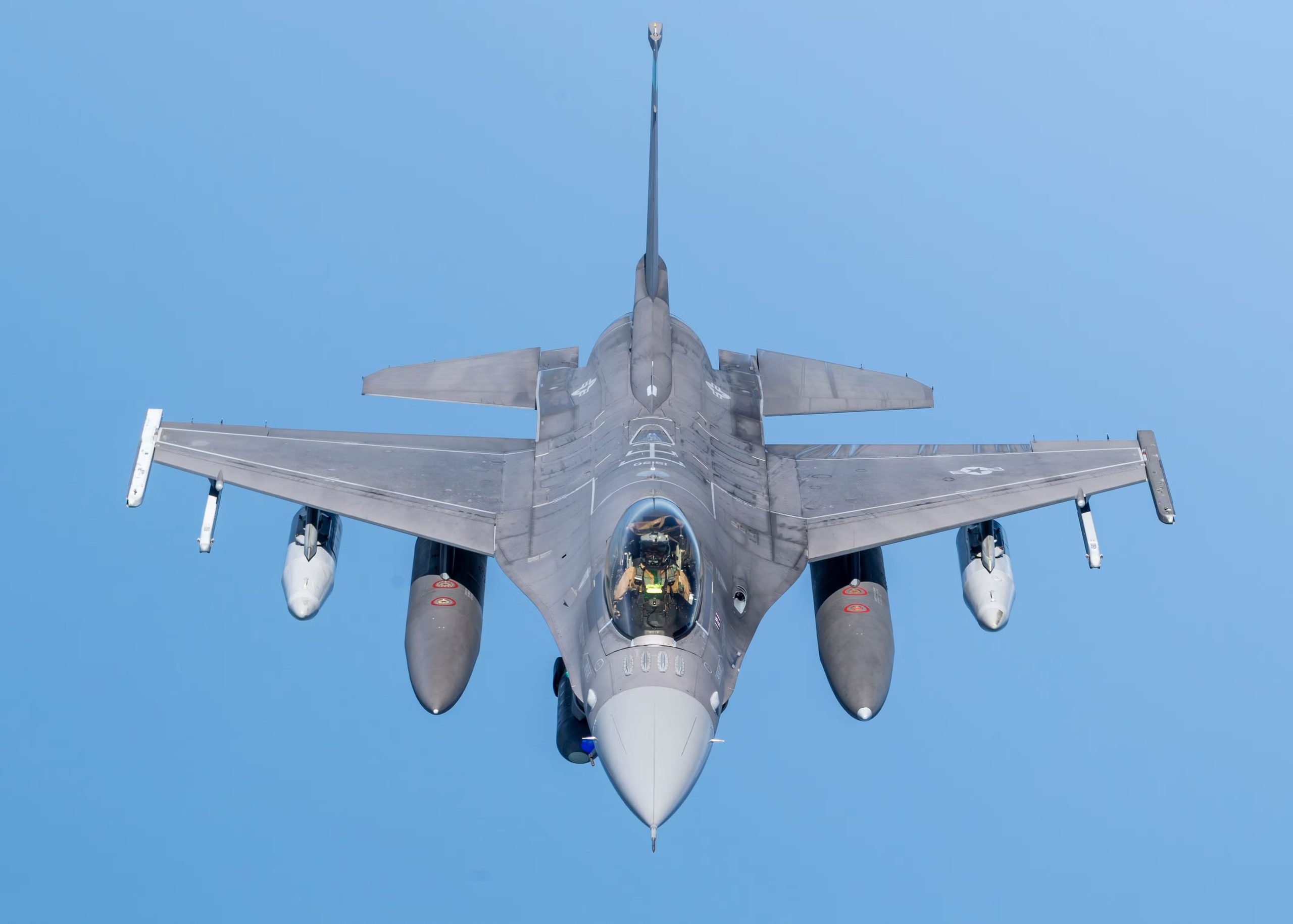
Belgium is due to deliver 10 F-16 fighter jets to Ukraine this year under a commitment made by the country’s previous government. The planned transfer was highlighted as Belgian Prime Minister Bart De Wever met Ukrainian President Volodymyr Zelenskyy. The aircraft are part of wider European efforts to help Ukraine defend itself against Russia’s invasion.
The F-16 is a fighter aircraft used by several countries. Ukraine has sought additional aircraft and other military equipment as it tries to protect its airspace and respond to Russian attacks. Fighter jets can support air defence and military operations, although their effectiveness depends on pilot training, maintenance, weapons and the availability of spare parts.
Belgium’s plan is linked to its own military transition. The country is replacing its older F-16 fleet with newer F-35 aircraft. That process makes it possible to transfer some older jets to Ukraine, but it also requires careful planning to maintain Belgium’s own defence capabilities. The timing of deliveries depends on the replacement programme and practical arrangements.
Military assistance to Ukraine remains a major issue for European governments. Countries differ over how much support they can provide, how quickly equipment can be delivered and how to balance domestic security needs with Ukraine’s urgent requests. The transfer of aircraft also involves training and technical support, not only the physical delivery of the planes.
Belgium’s commitment signals continued support for Ukraine as the war continues. However, an announced delivery plan should not be confused with confirmation that all aircraft have already arrived. The impact will depend on the delivery schedule and Ukraine’s ability to operate and maintain them safely.
For Kyiv, additional aircraft could strengthen its military options at a time when Russian attacks continue to threaten infrastructure and civilian areas. For Belgium, the transfer is part of a broader debate about European security and the responsibilities of NATO members. The next steps will depend on how the commitment is carried out and how Belgium manages its own fleet transition.

