

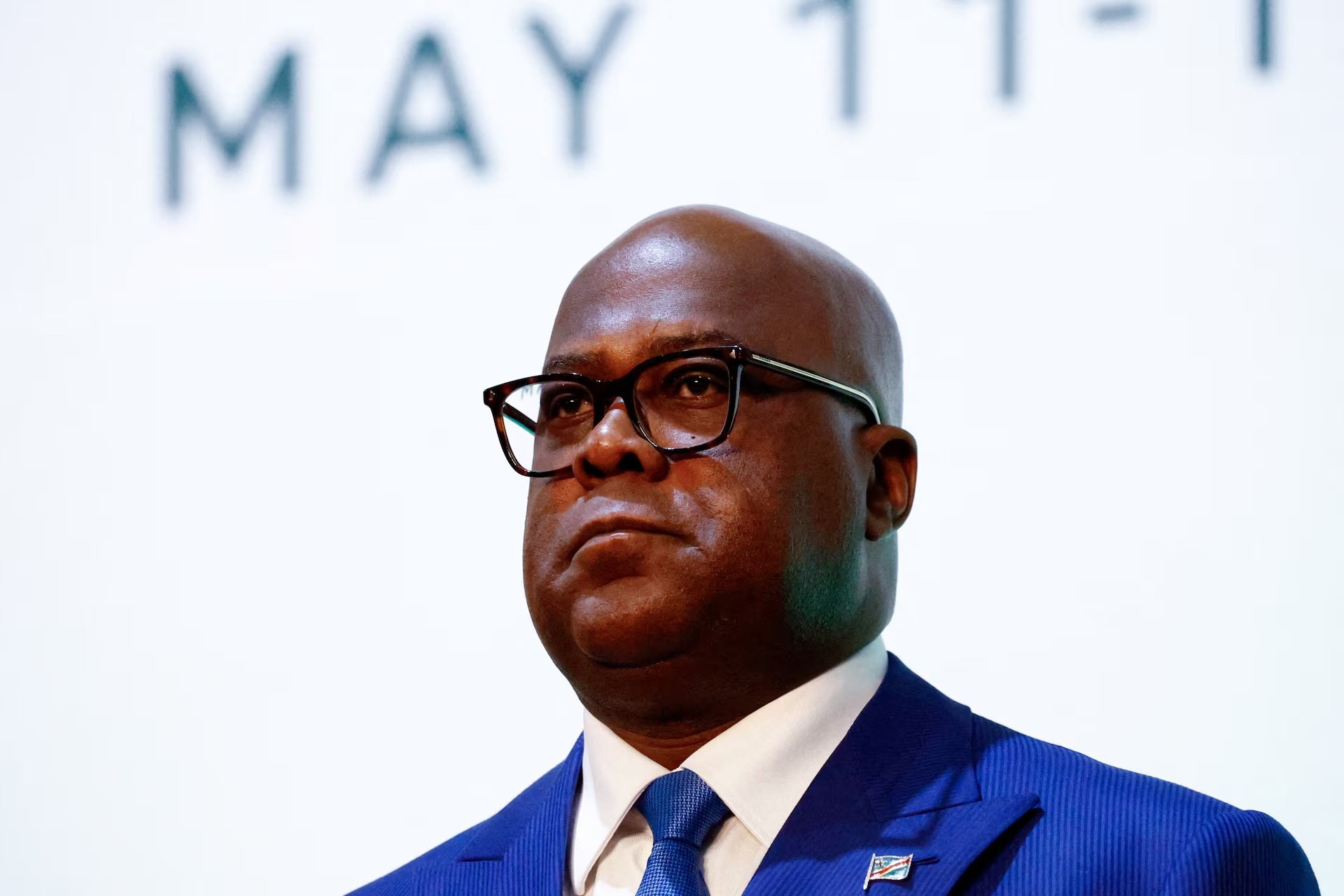
Belgian police searched properties connected to relatives and associates of Democratic Republic of Congo President Félix Tshisekedi on Thursday, October 15, as part of a money-laundering investigation. Reuters reported that the searches took place in Brussels and surrounding areas. The investigation is linked to allegations that money from misappropriated mining revenues was laundered through Belgium, although the authorities did not identify the people whose properties were searched.
The case began after a group of non-governmental organisations from Congo’s Katanga region filed a complaint in Belgium in 2025. Their legal representatives alleged that funds connected to the country’s mining sector had been moved through financial channels that benefited people with close links to the president. Belgian authorities are examining the claims, but allegations in a complaint are not proof of criminal wrongdoing.
Congo holds large reserves of minerals, including copper and cobalt, which are important for global manufacturing and battery production. The sector brings major potential revenue, but concerns about corruption and the distribution of wealth have persisted for years. Questions about who benefits from mining income are especially important for communities living near extraction sites, where people may face environmental damage while receiving limited economic gains.
Belgium’s role in the case reflects the international nature of financial investigations. Money can move across borders through companies, property purchases and other transactions, making it difficult for authorities in one country to follow the full path of funds. Investigators may need to examine financial records, ownership structures and relationships between individuals and businesses to determine whether any laws were broken.
The investigation also comes amid political challenges in Congo. Tshisekedi faces pressure over security problems, an armed rebellion and criticism of his political ambitions. These wider issues have increased attention on governance and accountability in the country. However, the Belgian investigation must be assessed on the evidence gathered by investigators rather than on the wider political climate alone.
The Congolese presidency declined to comment, according to Reuters. Belgian authorities also did not name the individuals targeted by the searches. Such limits are common during active investigations, when officials may avoid releasing details that could affect evidence collection or legal proceedings. The next steps could include further questioning, financial analysis or requests for cooperation from other countries.
Money-laundering investigations can take considerable time because financial evidence may involve multiple jurisdictions and complex business arrangements. Authorities must establish whether transactions were linked to criminal proceeds and whether individuals knowingly took part in illegal activity. If evidence supports charges, prosecutors must then present the case through the legal system.
For communities in Congo, the allegations raise broader questions about transparency in the management of natural resources. Clear oversight and fair distribution of mining revenues are important for public services, infrastructure and local development. For Belgium, the case highlights the responsibility of financial and legal institutions to investigate suspected wrongdoing when evidence points to transactions within their jurisdiction.
The searches mark a significant step in an ongoing inquiry, but they do not establish guilt. The investigation will need to determine what happened, who was involved and whether the available evidence supports legal action. Until then, the allegations should be treated as allegations rather than proven facts.

