

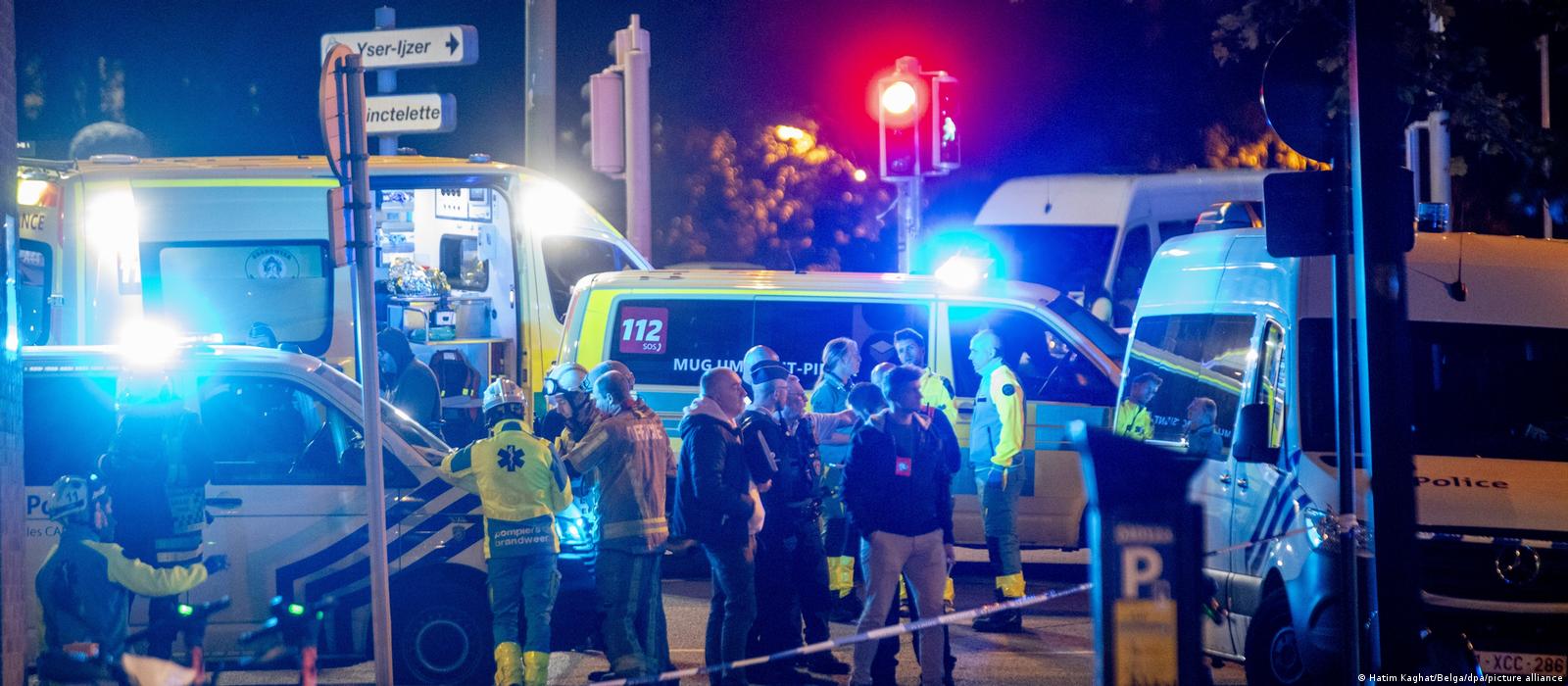
BRUSSELS — Gun violence is rising again in the Belgian capital, with a new run of shootings raising fresh concern about public safety. Police and local leaders are facing pressure to stop drug gangs from using streets in Brussels for violent disputes.
Federal police recorded 57 shootings across the 19 municipalities of the Brussels Capital Region in the first seven months of 2026. The shootings caused two deaths and 21 injuries by the end of July. The figure puts Brussels on track for another very high year for gun crime.
The latest incidents have added to that concern. On Monday evening, shots were fired in Saint Gilles near Place des Deux Bancs. The shooter used an automatic weapon, according to local authorities. No one was hurt. The shooter escaped.
People in a nearby pizzeria had to take cover during the shooting. The incident was the third shooting in Saint Gilles in three days. It was also the second shooting at the same place within three days.
Earlier on Monday, a person was shot in the leg in Molenbeek Saint Jean. The victim was taken to hospital and was not in a life threatening condition. Police opened an investigation. No suspect had been arrested at that stage.
Another shooting took place in Saint Gilles early on Monday. One person was hurt and two suspects were arrested near the scene. Police said the investigation was still under way.
The recent violence follows a shooting at a former police station in Anderlecht on Friday. Two people on a scooter were seen firing at the building. Bullet holes were found in the front of the building. No one was injured.
The repeated attacks have renewed debate over organised crime in Brussels. Local officials believe many of the shootings are linked to drug trafficking. Brussels has long faced pressure from criminal groups that use the city as a market and transit point for illegal drugs.
The federal police figures show the scale of the problem. Brussels recorded 101 shootings in 2025. Those incidents caused eight deaths and 43 injuries. With 57 shootings already recorded by July this year, the total could rise well above last year’s figure if the current pace continues.
Officials say the violence is not limited to one part of the capital. Saint Gilles, Anderlecht, Molenbeek Saint Jean and other areas have seen recent incidents. The spread has increased fears among residents who may be caught in violence between rival groups.
Saint Gilles Mayor Jean Spinette said police had made many arrests and seized large amounts of drugs. He also warned that criminal groups can return to the same areas soon after police action. This makes long term control harder.
The political response is also growing. The Socialist Party has called for a joint meeting of the federal Interior and Justice committees. It wants ministers to explain how the government plans to weaken the criminal networks behind the violence.
The party has also called for stronger checks at the Port of Antwerp. The port is a major entry point for goods and has long been seen as an important route for drug trafficking into Europe. It has urged the government to add more investigators and police officers who work on organised crime.
Brussels Minister President Boris Dilliès has described the recent shootings as another warning for the city. He said organised crime must not be allowed to take control of Brussels.
For residents, the latest incidents have made a wider problem feel close to home. Police operations may remove suspects and drugs, but officials face a harder task in stopping new groups from taking their place.
The coming months will show whether the recent wave is a short burst of violence or part of a longer trend. If shootings continue at the current rate, Brussels could record a new yearly high in 2026.
Authorities are also under pressure to protect public places, including homes, shops, streets and transport areas. The goal is not only to solve each shooting, but to make daily life safer for people across the capital.

