

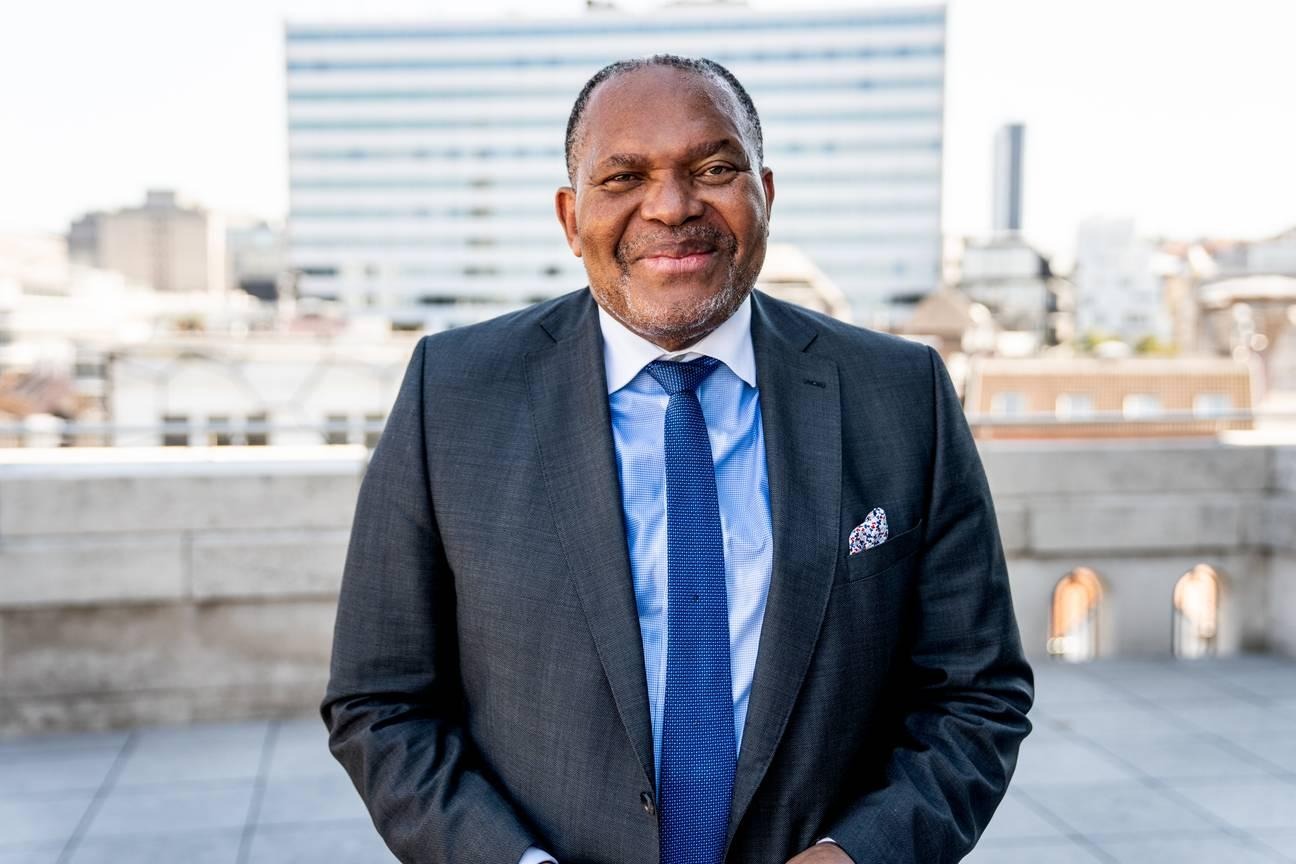
The Brussels Parliament has opened its new parliamentary session with Bertin Mampaka Mankamba re-elected as president of the regional assembly. The session began on Monday, September 21, as members returned to parliamentary work after the summer period. Mampaka was confirmed in the presidency, a position he has held since the 2024 regional elections.
The Brussels Parliament is responsible for regional matters affecting the Brussels-Capital Region. Its work covers areas such as transport, housing, the environment and economic development. The opening of the new session also brought changes to the parliament’s bureau, which is responsible for organizing the assembly’s daily administrative and parliamentary work.
One change involved the Les Engagés group, with Sofia Bennani replacing Mounir Laarissi on the bureau. The re-election of Mampaka means the parliament will continue under the same president as the previous session. His role includes overseeing parliamentary activities and representing the regional assembly.
The Brussels Parliament operates within Belgium’s federal structure. The Brussels-Capital Region has its own government and parliament, while other responsibilities remain with Belgium’s federal authorities or municipalities. The new session comes as Brussels faces several major policy challenges, with transport, housing and public safety remaining important issues for the region.
The capital is also dealing with pressure from rising costs. Higher energy and transport prices can affect households, businesses and public services. Another issue is the development of public space. Brussels recently held its annual Car-Free Sunday, closing roads to private vehicles and allowing pedestrians and cyclists to use large parts of the city.
Transport policy is likely to remain an important subject during the parliamentary year. The region is continuing to develop public transport and cycling infrastructure while also managing road traffic. Housing is another major concern, as Brussels has a large population and high demand for homes, creating pressure on rents and housing supply.
The regional parliament can influence several policies that affect housing and urban development. Members will also debate the region’s budget and spending priorities. Environmental policy is another area of regional responsibility, with Brussels pursuing long-term goals related to energy, emissions and sustainable transport.
The opening of the parliamentary session therefore begins a new period of debate on a wide range of issues. The re-election of Mampaka provides continuity at the top of the assembly, while the composition of the bureau has changed slightly because of the replacement within Les Engagés.
Parliamentary committees will now return to regular work. These committees examine legislation and policy proposals before matters reach the full assembly. The coming months are likely to bring discussions on the region’s finances, transport network and public services.
Brussels also has a special position within Belgium because it is both a regional capital and the country’s federal capital. It hosts major European institutions and many international organizations, meaning decisions made by the regional government can affect residents, businesses and international visitors.
The new parliamentary session comes as Brussels continues to recover from several economic and social pressures. For the regional parliament, the immediate task is to return to legislative work and address the issues facing the capital. Mampaka’s re-election gives the assembly a familiar figure in the president’s chair, while the renewed bureau will oversee the parliament’s work for the new session.
The September 21 opening therefore marks the start of another year of political debate in Brussels. Transport, housing, public services and the regional economy are among the issues likely to remain important as lawmakers return to regular parliamentary work.

