

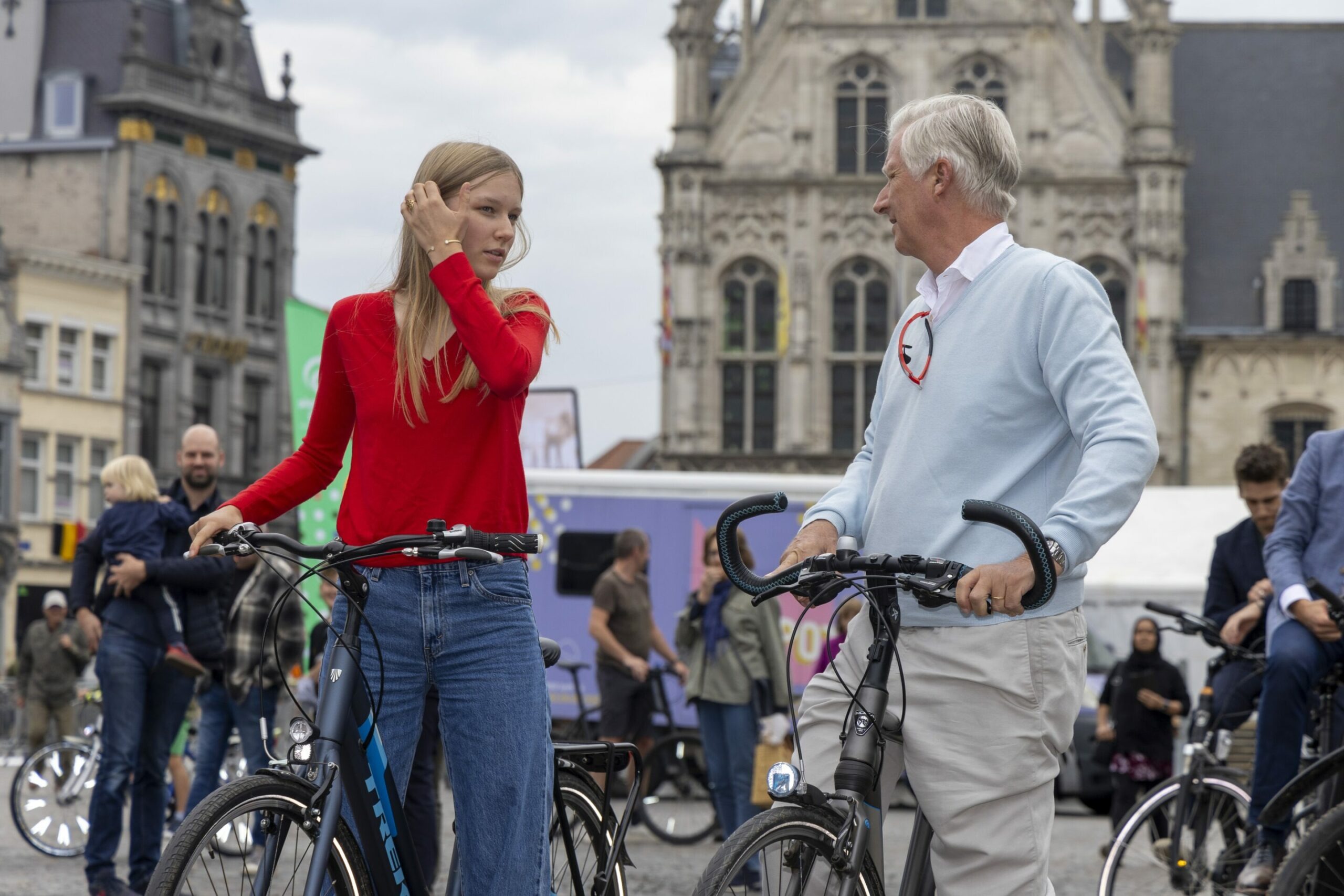
Brussels is going largely car-free on Sunday, September 20, as the capital holds its annual Car Free Sunday during European Mobility Week. Most roads in the Brussels Capital Region are closed to private cars from 9:30 a.m. to 7 p.m., creating one of the largest car-free urban areas in Europe for the day.
The event gives residents and visitors the chance to travel around Brussels on foot, by bicycle, scooter and public transport. STIB has made its metro, tram and bus services free during the event, while services have been increased to help people move around the capital without private vehicles.
The car-free day is also part of celebrations marking 50 years of the Brussels metro. The metro has grown into a major part of daily life in the capital, with a network stretching about 40 kilometers and serving dozens of stations across the city.
Organizers say the event is intended to encourage sustainable travel and show how public spaces can be used when there are fewer cars. Streets that normally carry heavy traffic become available for walking, cycling and community activities, giving residents a different view of the city.
The restrictions do not apply to every vehicle. Certain exemptions are in place for essential services and other approved movements. Drivers who need to travel should check the rules for their area before starting a journey because access restrictions can vary and some roads remain available for specific purposes.
Public transport is expected to be busier than normal. STIB has warned that metro stations may become crowded at certain times and has reminded passengers to allow people to leave vehicles before boarding. Safety remains important because trams and buses continue to operate among large numbers of pedestrians and cyclists.
The event is also connected to wider European Mobility Week, which runs across many European cities. Brussels uses the week to promote alternatives to private cars and to encourage residents to think about how transport choices affect congestion, air quality and the use of public space.
For businesses and residents, Car Free Sunday can change the normal rhythm of the capital. Some shops and restaurants may see more people arriving on foot or by public transport, while drivers need to plan around the restrictions. The event can also create opportunities for local activities in streets that are normally dominated by traffic.
Sunday’s closure is therefore both a practical transport change and a public demonstration of Brussels’ mobility goals. With free public transport and major roads closed to ordinary cars, the city is giving residents a chance to experience the capital in a different way while celebrating the long history of its metro system.
The car-free event also provides a practical test of Brussels’ public transport system. With more people expected to use metro, tram and bus services, operators have to manage heavier passenger flows while keeping regular services safe. The day therefore combines a public celebration with a real-world demonstration of how a large city can move people without widespread private car use.
The 50th anniversary of the metro adds another layer to the event. Brussels has relied on underground rail for decades, and the system remains central to movement across the capital. Free services on Sunday can encourage people who normally drive to try public transport and may help them consider it for future journeys.
For residents, the day can also change how public spaces feel. Streets normally dominated by vehicles can become places for walking, cycling and community activity. The experience is temporary, but it gives the city an opportunity to discuss longer-term questions about congestion, transport choices and the design of urban neighborhoods.
The event also gives Brussels a chance to test how residents respond to different transport choices. A single car-free day cannot change the city’s transport system by itself, but it can demonstrate alternatives and create public discussion. The combination of free public transport, cycling and open streets makes September 20 an important annual part of the capital’s mobility calendar.

