

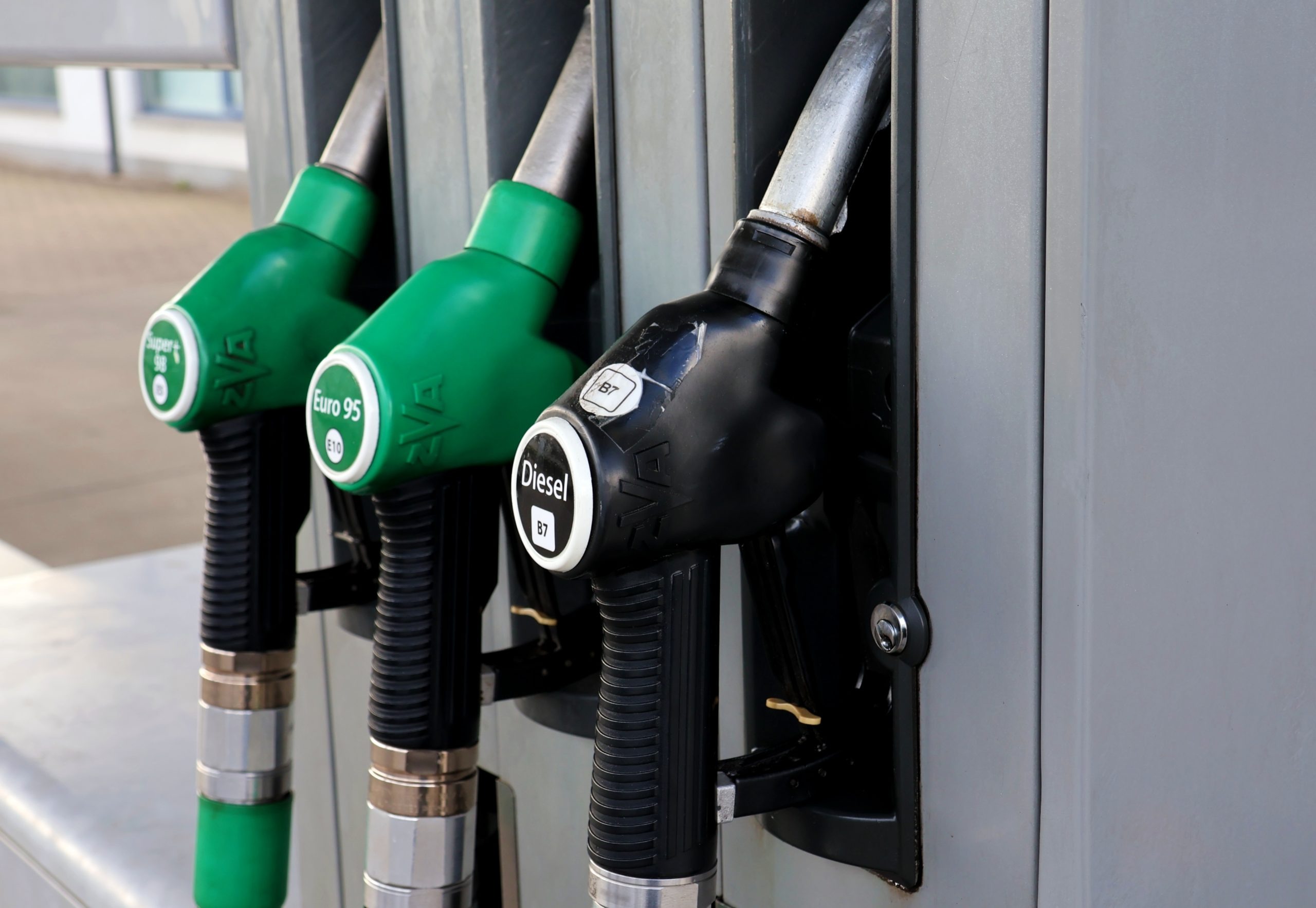
Belgium is facing a new record diesel price from Tuesday, September 22, as the maximum price of standard B7 diesel rises to €2.501 per litre. The new price is 3.3 cents higher than the previous day’s maximum and also passes the earlier record of €2.489 per litre, which was set in April. The increase is putting additional pressure on drivers and transport companies across Belgium, with diesel widely used by trucks, delivery vehicles and other commercial transport services.
The higher price comes during a period of strong pressure on global energy markets. Disruptions linked to conflict in the Middle East have affected oil supplies and pushed international prices higher. The increase is not limited to private motorists, as transport companies face higher fuel bills because many heavy vehicles still depend on diesel.
The Belgian hauliers’ federation UPTR has warned that rising fuel costs are increasing operating expenses. According to the federation, transport costs for many companies are now around 10 percent higher than at the beginning of the year. Higher transport costs can eventually affect other parts of the economy because trucks move food, manufactured goods and other products across Belgium and between European markets.
If fuel costs remain high, companies may have to raise prices or reduce other spending. Smaller transport firms can face particular pressure because fuel represents a large part of their operating costs. UPTR has called for changes to fuel taxes, with the federation wanting the government to reduce excise duties and maintain the current professional diesel system.
The professional diesel system allows eligible transport companies to recover part of the excise duties they pay. The government has to balance those demands against its own budget needs because fuel taxes provide public revenue, while reducing them could lower costs for businesses and consumers.
The new diesel record also comes as Belgium’s wider economy deals with high energy costs. Energy prices can affect inflation because fuel is directly connected to transport and indirectly connected to the price of many goods. Consumers may feel the impact through higher delivery costs and increased prices for products transported by road.
The record therefore matters beyond petrol stations. It can influence businesses across manufacturing, retail, logistics and agriculture. Belgium is also closely connected to neighboring European economies, with goods moving through the country by road and through major ports. Transp

