

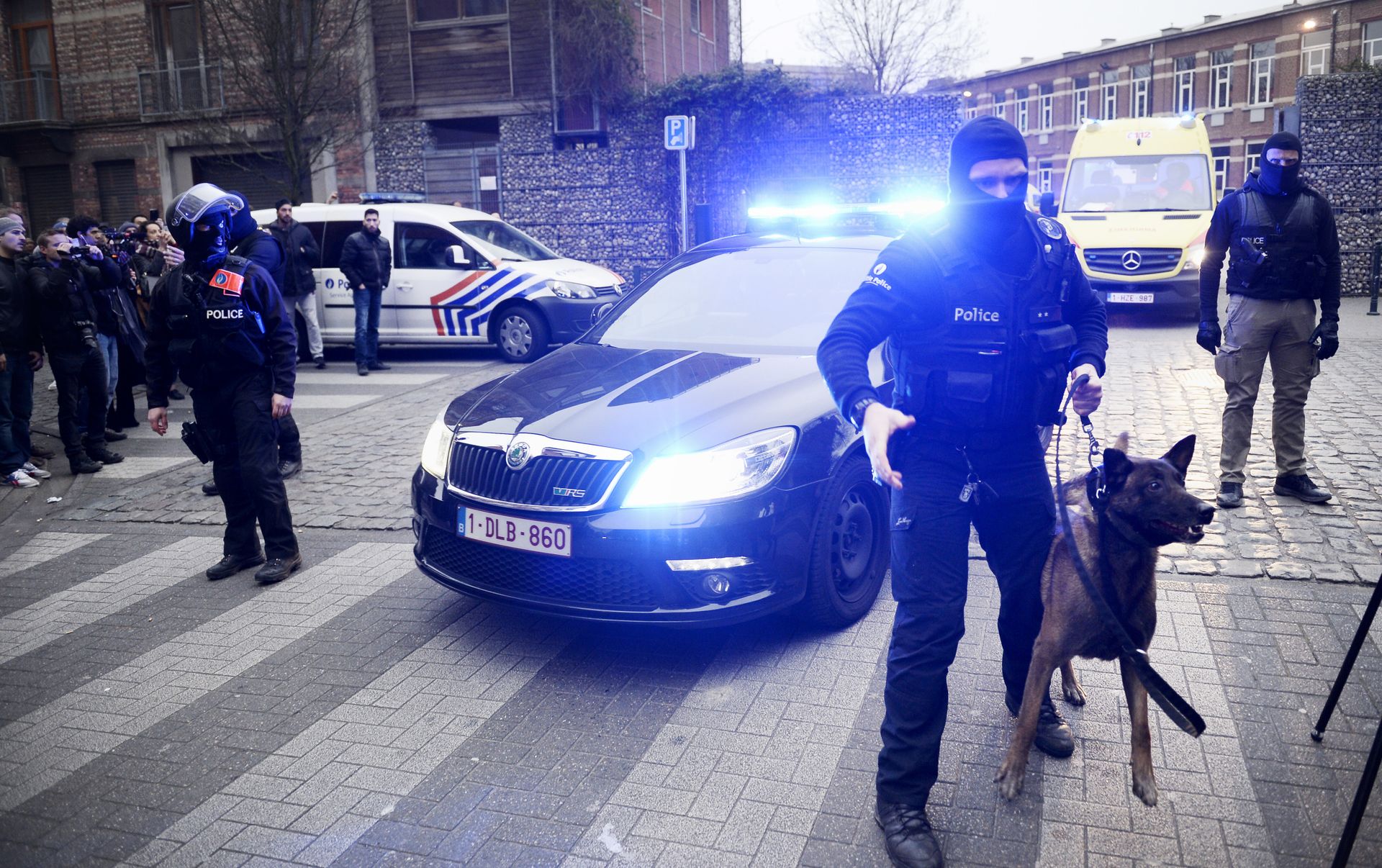
Brussels has appointed a single Gold Commander to coordinate all six of the city’s police zones, a major structural change aimed at strengthening the response to ongoing drug related violence that has repeatedly rattled the capital in recent months. The conference of Brussels mayors made the decision following a particularly violent stretch that saw six shootings recorded across the city within a single weekend.
Michel Goovaerts, chief of the Brussels Capital Ixelles police zone, has taken on the coordinating role, bringing unified command to a security structure that has traditionally operated as six separate and independently managed police zones across the capital. Brussels Mayor Philippe Close confirmed the appointment, describing the move as a necessary and immediate response to violence tied to conflicts between criminal networks operating in the drug trade.
The Gold Commander model is not entirely new to Brussels policing, having previously been deployed during New Year’s Eve celebrations and other major events when authorities have needed unified command to coordinate large scale security operations across the city. Goovaerts has served in this coordinating capacity during previous New Year’s celebrations, giving him direct experience managing cross zone police operations before taking on this expanded and more permanent responsibility.
Beyond the command restructuring, officials have announced several additional measures aimed at reinforcing the police presence in neighborhoods most affected by the ongoing violence, with particular emphasis on evening and nighttime hours when many of the recent shooting incidents have occurred. Detectives working on these cases will receive additional resources specifically aimed at tracing the source of the violence and working to dismantle the criminal networks believed to be driving the conflict.
Interior Minister Bernard Quintin has separately announced the deployment of forty additional federal police officers to support local forces in the capital, describing the recent attack on a police station as a clear sign of how serious the security situation has become. Quintin has stressed that the violence stems directly from conflicts between criminal organizations competing within the drug trade, calling the situation unacceptable and demanding an immediate and visible response on the ground.
Additional reforms are planned for the coming weeks as part of the broader security overhaul. By October, all dispatching operations across the six Brussels police zones will be consolidated under one roof, operated through the regional security organization known as Safe.brussels. Officials say this consolidation will improve coordination during fast moving incidents, allowing dispatchers across the entire city to work from a single unified system rather than six separate ones.
The city’s video surveillance and license plate recognition service, known as ARGOS, will also see expanded resources under the new security plan, giving investigators improved tools for tracking vehicles and individuals connected to ongoing criminal investigations. Officials say strengthening this technical infrastructure represents an important complement to the human resources being added to frontline policing in affected neighborhoods.
Local residents in areas most affected by the violence have expressed growing frustration over the persistent security concerns, with community demonstrations calling for more decisive government action against the criminal networks operating in their neighborhoods. As the new command structure takes effect and additional reforms roll out over the coming months, officials will face pressure to demonstrate that unified coordination can translate into a genuine reduction in the violence that has plagued the capital throughout this year.

