

Brussels is preparing for the opening of the Kanal Museum, a major cultural project planned for the city’s former industrial area. The museum is expected to bring modern and contemporary art to a large site that has been undergoing redevelopment. Its opening is scheduled for 28 November, although some parts of the wider project have faced delays. The development is part of the city’s effort to create new cultural spaces and attract more visitors.
The museum site has already drawn attention because of its scale and location. Large cultural projects can change how people use an area, bringing visitors to nearby streets, cafés, shops, and public spaces. They can also provide a home for exhibitions, educational activities, and events that connect residents with art. For Brussels, the project offers an opportunity to strengthen its cultural profile while giving new life to a former industrial location.
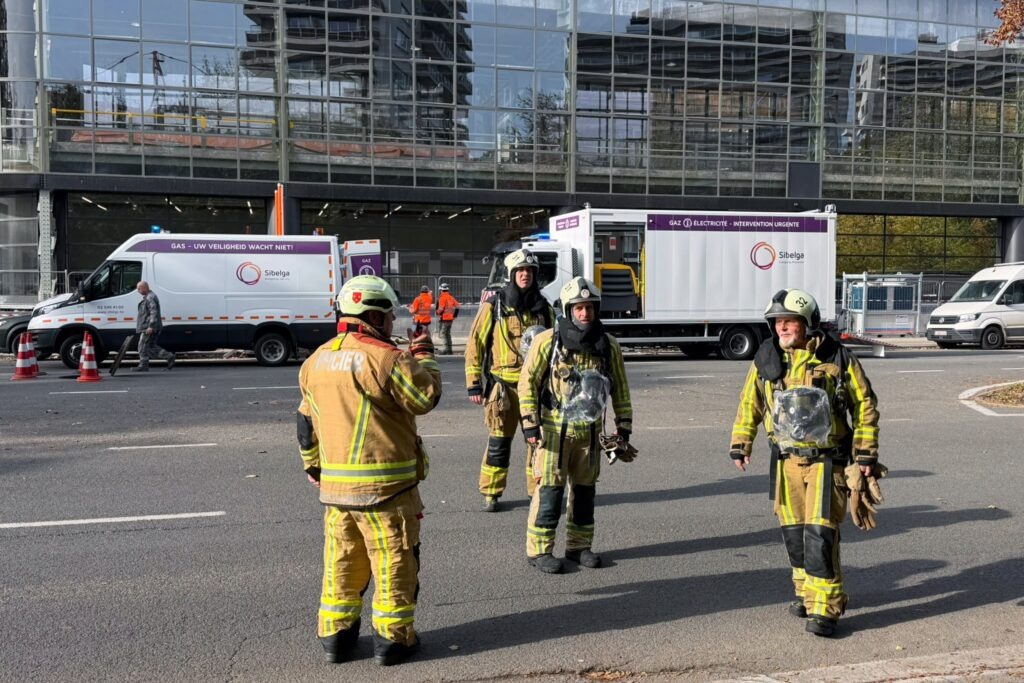
Preparations have not been entirely smooth. Emergency services were called to the area after a strong smell of gas was reported near the construction site in late October. The site was evacuated while the gas network operator investigated the source. Authorities later located and sealed a gas line, and safety restrictions were lifted after the immediate concern was addressed.
The incident highlighted the challenges involved in converting older buildings for new uses. Construction sites may contain ageing pipes, electrical systems, and other infrastructure that requires careful inspection. Safety teams must respond quickly when a possible hazard is reported, even if the source has not yet been confirmed. Such measures can interrupt work, but they help protect workers and people in surrounding buildings.
The Kanal project is expected to offer more than a traditional gallery experience. Modern museums often combine exhibitions with public programmes, educational activities, and spaces where visitors can spend time beyond viewing artworks. These features can help attract people who may not regularly visit museums. They can also create opportunities for schools, artists, community groups, and cultural organisations to work together.
A major museum can bring economic benefits to its neighbourhood. Visitors may spend money at restaurants, shops, hotels, and transport services. Cultural events can support local jobs and give small businesses more customers. However, the size of the benefit depends on how many people visit, how long they stay, and whether nearby businesses are able to serve them.
The opening will also bring expectations about accessibility and public value. Visitors will want clear information about opening hours, ticket prices, exhibitions, and transport options. Local residents may be interested in whether the site offers programmes that are affordable and welcoming to different groups. A museum can become an important public asset when it connects major exhibitions with activities that people can enjoy throughout the year.
Construction delays affecting parts of a cultural project can create planning challenges. Teams must coordinate building work, technical systems, exhibition spaces, and visitor services before a venue is ready. Different sections may open at different times if they require separate work or approvals. Clear communication can help visitors understand what will be available when the doors first open.
The planned opening on 28 November is an important milestone for the Kanal Museum. Its long-term success will depend on the quality of its exhibitions, its connection with the public, and how well the site functions as a cultural destination. If the project meets those needs, it could become a lasting part of Brussels’ cultural life and give the redeveloped area a new purpose.

