

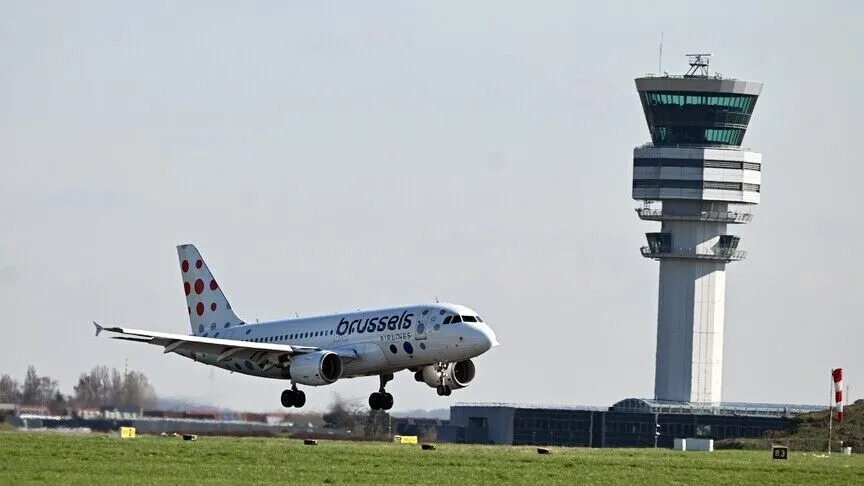
Brussels Airlines reported a significant financial setback during the first half of 2026, posting an adjusted earnings before interest and taxes (EBIT) loss of €70 million, equivalent to about $80 million. The airline attributed the decline to rising fuel expenses, health-related travel disruptions in East Africa, and operational challenges caused by strikes.
The Brussels Airlines Operating Loss represents a sharp decline from the same period last year. According to the airline, the first-half result was approximately 50 percent weaker than the performance recorded during the first six months of 2025.
Despite the financial loss, Brussels Airlines continued to experience growth in passenger demand. The carrier transported approximately 4.5 million passengers between January and June 2026. This represented an increase of 8.1 percent compared with the same period a year earlier.
Flight activity also expanded during the period. The airline operated around 34,200 flights in the first half of the year, reflecting a 5.5 percent increase from 2025. Revenue growth and rising passenger numbers demonstrated continued demand for air travel across its network.
However, several external factors significantly increased operating costs and reduced profitability.
One of the biggest challenges came from higher fuel prices. The airline reported that geopolitical tensions and instability in the Middle East contributed to increased oil prices during the period. As a result, fuel expenses rose by €64 million compared with the first half of 2025.
Fuel remains one of the largest operating costs for airlines worldwide. Even relatively small increases in oil prices can have a major impact on profitability, particularly for carriers operating extensive short-haul and long-haul networks.
Brussels Airlines also faced challenges linked to the Ebola outbreak in parts of East Africa. The airline said the health situation reduced travel demand on some routes and created operational difficulties.
Travel restrictions and crew scheduling complications affected normal operations, making it more difficult to maintain efficiency across affected services. East Africa remains an important region for Brussels Airlines due to its long-standing network connections and international operations.
Industrial action in Belgium added further pressure on the company’s financial performance. The airline reported that strikes and protests disrupted airport operations and air traffic services during the first half of the year.
Brussels Airport experienced operational interruptions, while work stoppages involving Belgian air traffic controllers affected flight schedules. According to the airline, these disruptions reduced earnings by approximately €3 million.
The combination of higher fuel expenses, health-related travel challenges, and labor disruptions offset the benefits of growing passenger traffic and revenue.
Looking ahead, the company is taking a more cautious approach to expansion plans. Brussels Airlines announced that it will pause a planned increase in its long-haul fleet.
The airline had previously intended to add two additional Airbus A330 aircraft. However, management has now decided to maintain the fleet at 11 aircraft rather than proceed with the expansion.
Company officials cited weaker-than-expected profitability, recurring strikes in Belgium, and broader geopolitical uncertainty as key reasons for the decision.
The Airbus A330 serves as the backbone of the airline’s long-haul operations, connecting Belgium with destinations across Africa, North America, and other international markets. By keeping the fleet size unchanged, the airline aims to focus on operational stability and financial performance.
Industry analysts note that many airlines continue to face challenges despite strong passenger demand. Rising operating costs, geopolitical tensions, labor disputes, and health-related disruptions remain important risks for carriers around the world.
The Brussels Airlines Operating Loss highlights how external pressures can affect airline profitability even during periods of passenger growth. While demand for travel remains strong, airlines continue to balance expansion plans with cost control and operational reliability.
As the company moves into the second half of 2026, management will focus on improving efficiency, managing costs, and navigating an uncertain global aviation environment. The airline hopes these measures will strengthen financial performance while maintaining service across its growing network.

