

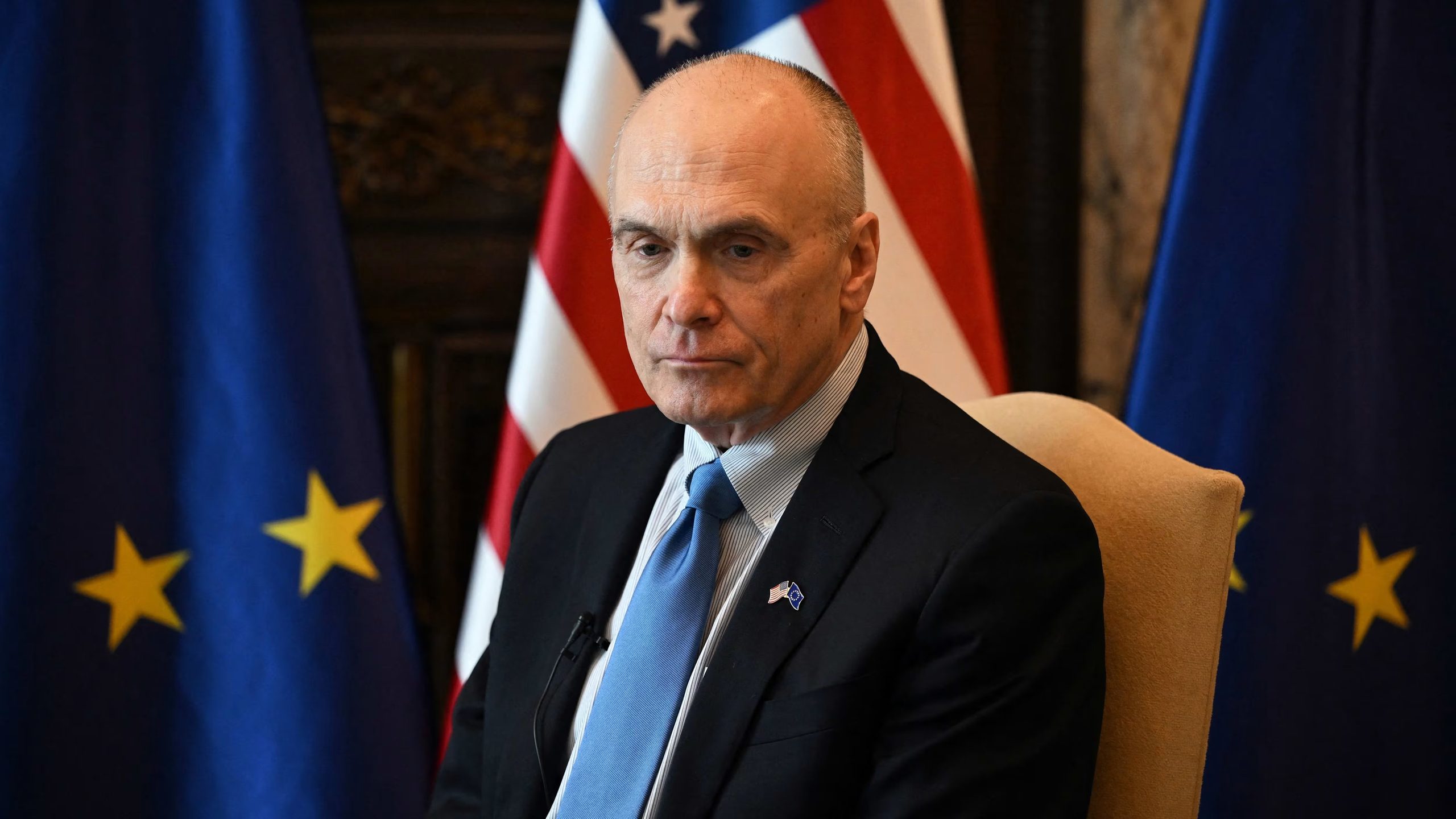
The US ambassador to the European Union has urged European leaders to strengthen the region’s competitiveness, warning that high energy costs and heavy regulation could weaken economic growth. Andrew Puzder said a strong European economy would also benefit the United States by supporting trade and cooperation on security. His comments added to the debate over how Brussels should balance regulation with business growth.
Puzder criticised what he described as barriers facing American companies in Europe. He warned that efforts to restrict US technology firms, including companies such as SpaceX, could lead to a serious response from Washington. The remarks underline the risk that disputes over technology rules and market access could spill into wider trade relations between the United States and the EU.
European officials have defended the need for rules that protect consumers, competition and data. The EU has introduced regulations across digital markets, environmental policy and other sectors, arguing that common standards can help create fairer markets. Critics say some rules can be costly for businesses and make it harder for European companies to compete with firms operating under different conditions.
Energy prices are another major concern. Companies that use large amounts of electricity may face higher costs than competitors in regions with cheaper power. This can influence decisions about where to build factories, expand digital services or invest in new technology. European governments are under pressure to improve energy security while keeping the transition to cleaner power affordable.
The discussion comes as the EU seeks to reduce its dependence on China for important materials used in batteries and green technology. Brussels is working with partners to secure supplies of minerals such as nickel and cobalt. These materials are important for electric vehicles, energy storage and other technologies, and access to them has become part of a wider economic security strategy.
The US ambassador’s comments reflect the close links between economic policy and foreign relations. Disagreements over regulation can affect investment and market access, while cooperation can support jobs and technological development on both sides of the Atlantic. Both sides have an interest in avoiding a cycle of restrictions and retaliation.
The challenge for European leaders is to maintain rules they consider necessary while ensuring that businesses can innovate and grow. For Washington, the priority is to keep US firms competitive in a major market. Future discussions will show whether the two sides can reduce tensions and find common ground on energy, technology and trade.

