

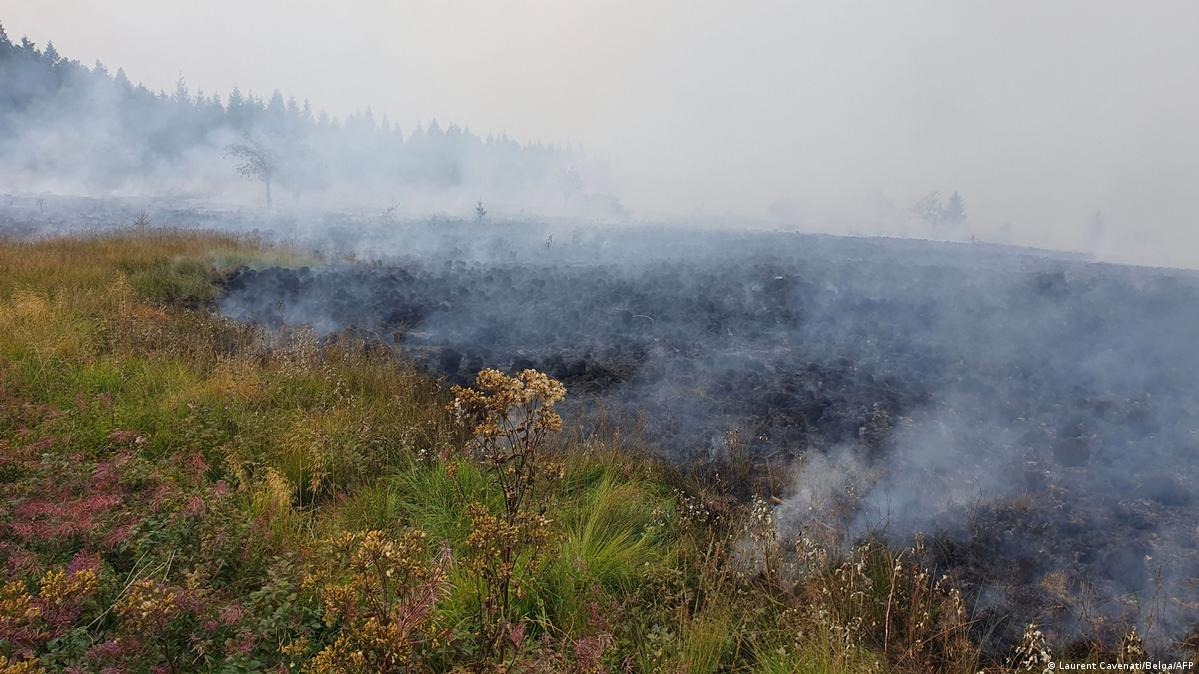
Belgium is battling its largest wildfire on record after a huge blaze spread across the eastern High Fens nature reserve near the German border. The fire has burned about 2,700 hectares of land and forced hundreds of people to leave their homes.
The Belgium wildfire evacuation began after changing winds and thick smoke raised fears that the fire could move toward nearby homes. Authorities ordered about 600 residents in parts of Waimes, Sourbrodt and Buetgenbach to leave the area. Tourists were also told to leave the region.
The fire has created a major challenge for emergency crews. Much of the affected land is hard to reach. This has made it difficult for firefighters to work safely on the ground.
“There is a risk that the fire could reach homes,” said Nicolas Yernaux, a spokesperson for regional authorities in Wallonia. He said teams were using all available resources to protect homes and local communities.
Belgium has sent more firefighters to the area as crews work to slow the spread of the blaze. But the rough land has limited ground operations. In some areas, firefighters have had to let the fire burn because the locations are too difficult to reach.
EU sends aircraft to help Belgium
Belgium has also asked for help through the European Union civil protection system. The EU response includes three helicopters and two water bombing aircraft.
The aircraft came from the Czech Republic, Sweden and the Netherlands. They are being used to drop water on parts of the fire that are hard for ground teams to reach.
Firefighters from Germany and Luxembourg have also joined the effort. Local farmers are helping emergency teams by using their equipment and water to wet areas around the fire zone.
The joint response shows the scale of the emergency. Belgium is using air support and crews from several countries to prevent the fire from spreading toward homes and other areas.
The fire comes during a period of very high heat across Belgium. Temperatures reached 37 degrees Celsius in parts of the country this week. Hot weather can dry plants and soil, giving wildfires more fuel.
Scientists say climate change is making hot and dry weather more likely in many parts of Europe. These conditions can help fires spread faster and burn for longer periods.
European Commissioner Hadja Lahbib described the Belgian fire as another sign of major climate changes affecting Europe. She said wildfire seasons are starting earlier and reaching areas farther north than in the past.
The High Fens fire is also close to a major wildfire in western Germany. That blaze forced more than 2,000 people to leave their homes before firefighters brought it under control.
The fires in Belgium and Germany show how quickly extreme heat and dry land can create serious risks across borders. They also highlight the need for fast action when fires threaten towns, homes and protected natural areas.
For now, Belgian authorities remain focused on protecting residents and stopping the High Fens fire from reaching more homes. Air crews, local firefighters, foreign teams and farmers are continuing to work together as conditions remain difficult.

