

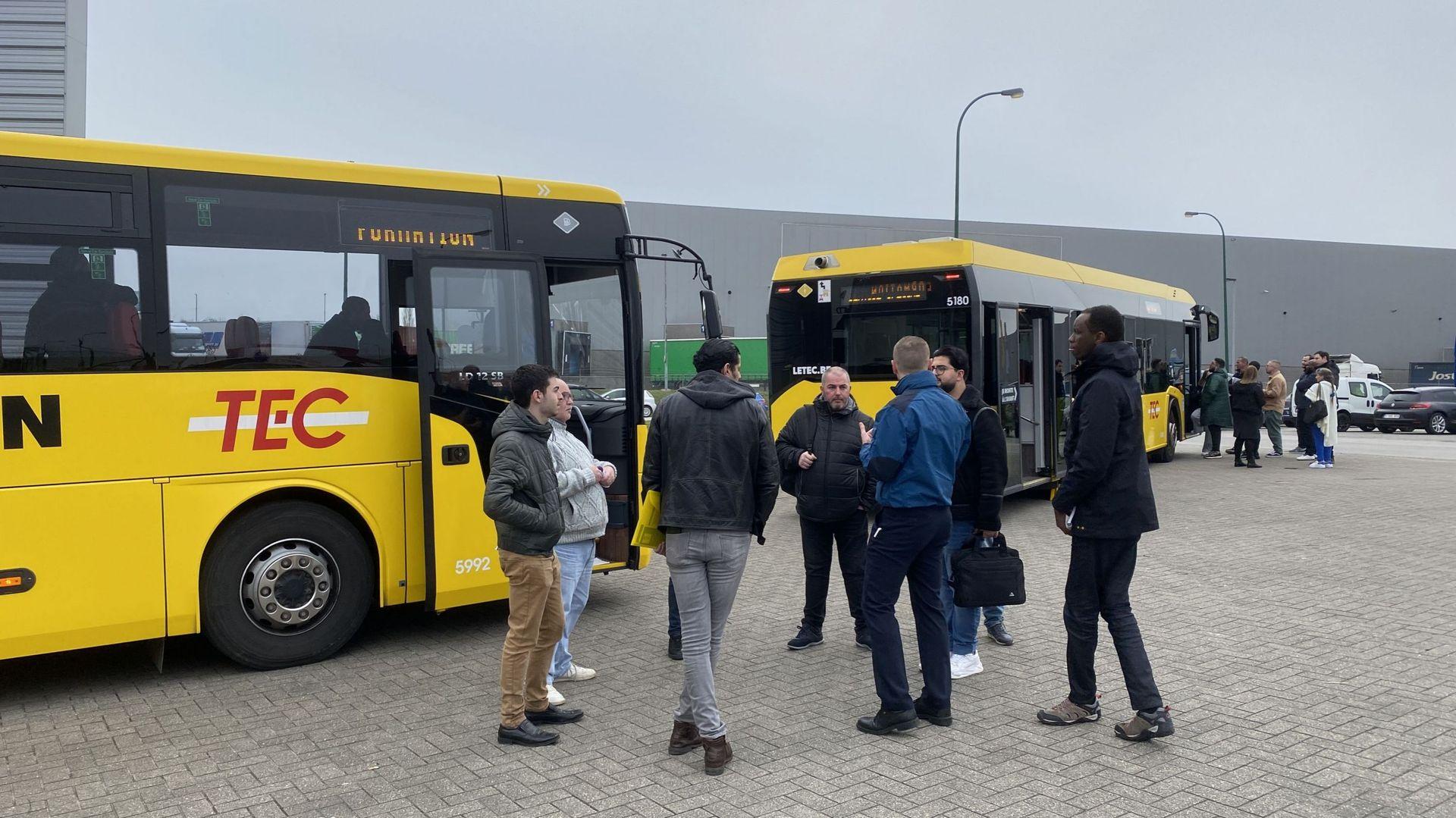
BRUSSELS, August 27, 2026 — A two day Belgium transport strike is disrupting public travel across Wallonia on Thursday and Friday. Workers at TEC, the public transport operator in the region, are taking part in the action. The strike is expected to affect buses and other services across several parts of southern Belgium.
The strike began on Thursday, August 27, and is due to continue through Friday, August 28. The action is creating travel problems for people who rely on public transport to reach work, schools and other daily activities. TEC is one of the main public transport operators in Wallonia, so the effects can be wide.
Passengers have been warned to expect fewer services during the strike. Some routes may run with reduced schedules, while other services may not operate. The level of disruption can vary from one area to another. Travelers have been advised to check service information before leaving home.
The strike is also likely to affect links between towns and larger cities. Many people in Wallonia use buses for daily trips. A lack of regular services can make these journeys longer and harder. Some passengers may need to use cars, taxis or other options during the action.
The timing adds to the pressure on travelers. Thursday is a normal working day for many people. A second day of disruption on Friday means that commuters may face problems for much of the week. Businesses and schools may also have to deal with late arrivals and changes to travel plans.
Public transport strikes are not new in Belgium. Unions often use industrial action to press for better pay, work conditions or changes in public policy. Such strikes can quickly affect large numbers of people because public transport plays a major role in daily life.
For TEC, the disruption comes at a time when public transport is under pressure to provide reliable services while managing costs. Transport operators must balance staff needs with the demand for frequent and affordable services. Any long dispute can add pressure to both sides.
The impact can also reach local businesses. Shops and restaurants near transport stops depend on a steady flow of customers. Fewer passengers can mean fewer people visiting city centers. Workers who cannot reach their workplaces may also affect normal business activity.
The strike highlights the role of public transport in Wallonia. Buses connect homes with workplaces, schools, train stations and town centers. When services stop, the effect is not limited to the transport sector. It can spread across other parts of the local economy.
Passengers in Brussels may also feel indirect effects if people change their travel plans because of the Walloon disruption. The capital is closely linked to other parts of Belgium through work, study and business. Changes in regional transport can therefore affect wider travel patterns.
Officials and transport leaders will be watching the situation as the strike continues. A quick return to normal service would limit the wider impact. A longer dispute could create greater pressure on workers, passengers and the operator.
For travelers, the main concern is simple. They need clear information about which services are running. They also need enough time to find another way to reach their destination.
The Belgium transport strike is scheduled to end after Friday, August 28. Until then, passengers across Wallonia face possible delays and cancelled services. The action shows how strongly transport workers can affect daily life when negotiations fail to produce an agreement.

