

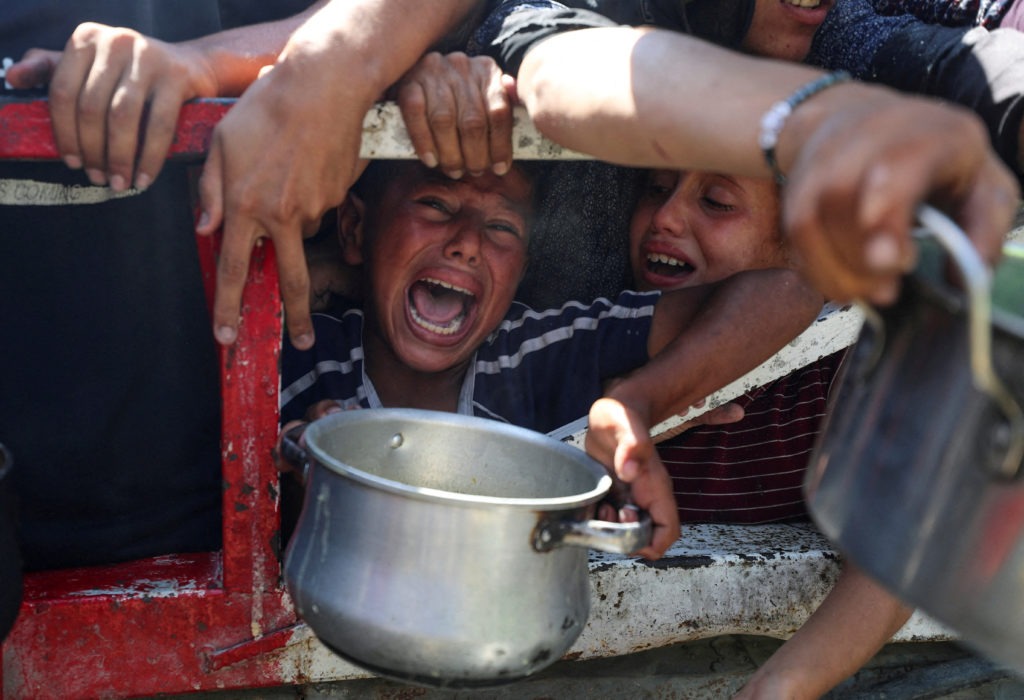
Food aid organisations in Belgium are planning an awareness action in Brussels on Saturday, September 26, to draw attention to food insecurity and the number of people who depend on food assistance. The action comes as organisations working with vulnerable people say food support remains an important part of the social system. More than half a million people are reported to rely on food aid in Belgium.
The Brussels event is designed to bring public attention to the issue rather than focus only on statistics. Food aid groups work with people who may struggle to pay for basic needs, including food. Their services can include food packages, community support and other forms of assistance.
The scale of food aid use has raised questions about living costs and household pressure. When people have difficulty covering essential expenses, food can become one of the areas where households reduce spending. This can affect families, older people and people with limited income.
Food insecurity does not always mean that a person has no food at all. It can also mean uncertainty about having enough food, being unable to afford a balanced diet or having to reduce food quality because of financial pressure. Organisations working in this field therefore look at both immediate food needs and the wider economic conditions affecting households.
Brussels is an important location for the awareness action because the city is the political centre of Belgium and hosts many national and European institutions. Public events in the capital can attract attention from policymakers, local communities and the wider public.
Food aid organisations often depend on donations, volunteers and cooperation with public authorities. Their work can provide immediate help, but they also argue that long-term solutions require attention to household incomes, housing costs and other expenses.
The September 26 action is expected to highlight the people behind the numbers. For food assistance groups, the issue is not only how much food is available but whether people can reliably obtain what they need.
The issue is also connected to the cost of living. Even when food prices are stable or falling in some areas, households can remain under pressure because rent, energy, transport and other costs take a large share of income. Families with limited financial room can therefore remain vulnerable.
Food banks and other assistance organisations can help reduce some of that pressure. However, demand for their services can create pressure on the organisations themselves. They need enough food supplies, volunteers and financial support to continue operating.
The Brussels awareness action is expected to provide an opportunity for these groups to explain their work and encourage greater attention to food insecurity. It may also help the public understand how many people depend on assistance in different parts of Belgium.
The event does not solve the underlying causes of food insecurity. Instead, it is intended to make the problem more visible and encourage discussion about the support available to vulnerable people.
The September 26 action comes at a time when social organisations across Europe continue to watch household finances closely. Changes in prices, employment, housing and public support can all affect demand for food assistance.
For Belgium, the reported reliance of more than half a million people on food aid shows that the issue affects a large section of society. The Brussels event will therefore place food insecurity in the public spotlight and give assistance organisations a platform to explain the challenges they face.
The organisers’ central message is expected to focus on access to basic food and the need to prevent people from being left without enough support. The Saturday action will bring that message into the centre of Brussels as Belgium continues to discuss living costs and social protection.

