

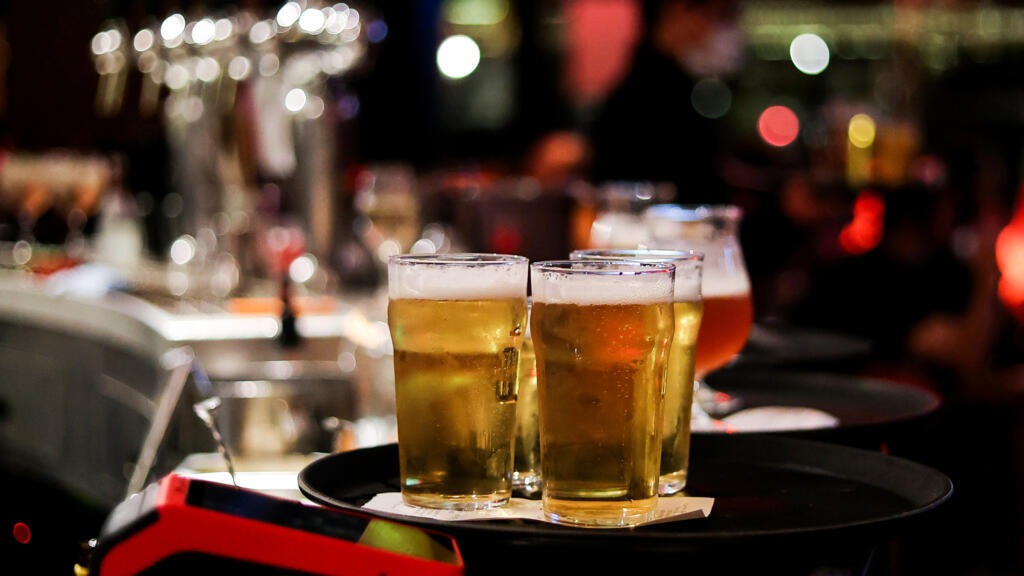
Belgian brewers are facing a new debate over proposed health warnings on alcohol advertising. The issue has attracted attention because Belgium has a strong beer culture and a large brewing industry. A proposed change to warning messages on alcohol advertisements has raised concerns among brewers while health authorities continue to focus on the risks linked to alcohol use.
Belgium is widely known for its beer production, with breweries ranging from large international companies to smaller local producers. Beer is closely linked with Belgian food and cultural traditions, and the sector contributes to tourism, exports and employment.
The discussion over health warnings therefore has an economic and cultural side. Brewers have an interest in how their products are advertised and presented to consumers. Public health officials, on the other hand, focus on making consumers more aware of alcohol-related risks.
Health warnings on alcohol products and advertising are not new. Many countries have introduced rules that require consumers to receive information about health risks. Such measures can cover labels, advertising messages and restrictions on where or how alcohol can be promoted.
The current debate in Belgium concerns a possible change in the wording or presentation of health warnings used in alcohol advertising. Brewers are concerned that stronger or different warnings could affect how their products are marketed.
The discussion reflects a wider European debate about alcohol. Governments are trying to balance established drinking traditions with public health concerns. Alcohol consumption can be part of social and cultural life, but heavy or harmful use is linked with health risks.
For Belgian brewers, advertising rules are important because beer companies compete for consumers in a crowded market. Smaller breweries may also depend on their brand image and local identity to attract customers.
A change in warning requirements could therefore affect how companies design advertising campaigns. Businesses may need to update packaging, signs, online advertising and other promotional material if new rules are adopted.
The debate also shows the different interests involved in alcohol policy. Health groups may want stronger information for consumers, while producers may argue that new rules should be clear, practical and proportionate. Policymakers must consider both public health goals and the effect of regulations on businesses.
Belgium’s brewing sector has a long history, but it also operates in a modern market where consumer habits are changing. Younger consumers in particular may approach alcohol differently from previous generations. At the same time, traditional Belgian beer remains an important part of the country’s tourism and cultural identity.
The warning debate could therefore become part of a larger conversation about responsible drinking and the future of alcohol marketing.
For consumers, clearer warnings could provide more information at the point where they see an advertisement. For brewers, the challenge will be adapting to any new requirements while continuing to promote their products.
The issue is not limited to Belgium. European countries have been considering different approaches to alcohol advertising, health information and consumer protection. National governments often use different systems, creating different rules for companies operating across borders.
Belgian brewers will be watching the discussion closely because any change could affect future advertising campaigns. The government and health authorities will also need to consider how effective warnings are and how they can be implemented.
The debate shows how Belgium’s famous beer culture is meeting modern public health policy. The final rules, if adopted, could shape how alcohol products are promoted and how health information is presented to consumers.
For now, the discussion remains focused on the proposed warnings. Brewers, health officials and policymakers are expected to continue debating the best way to balance consumer information, public health and the interests of Belgium’s important brewing sector.

