

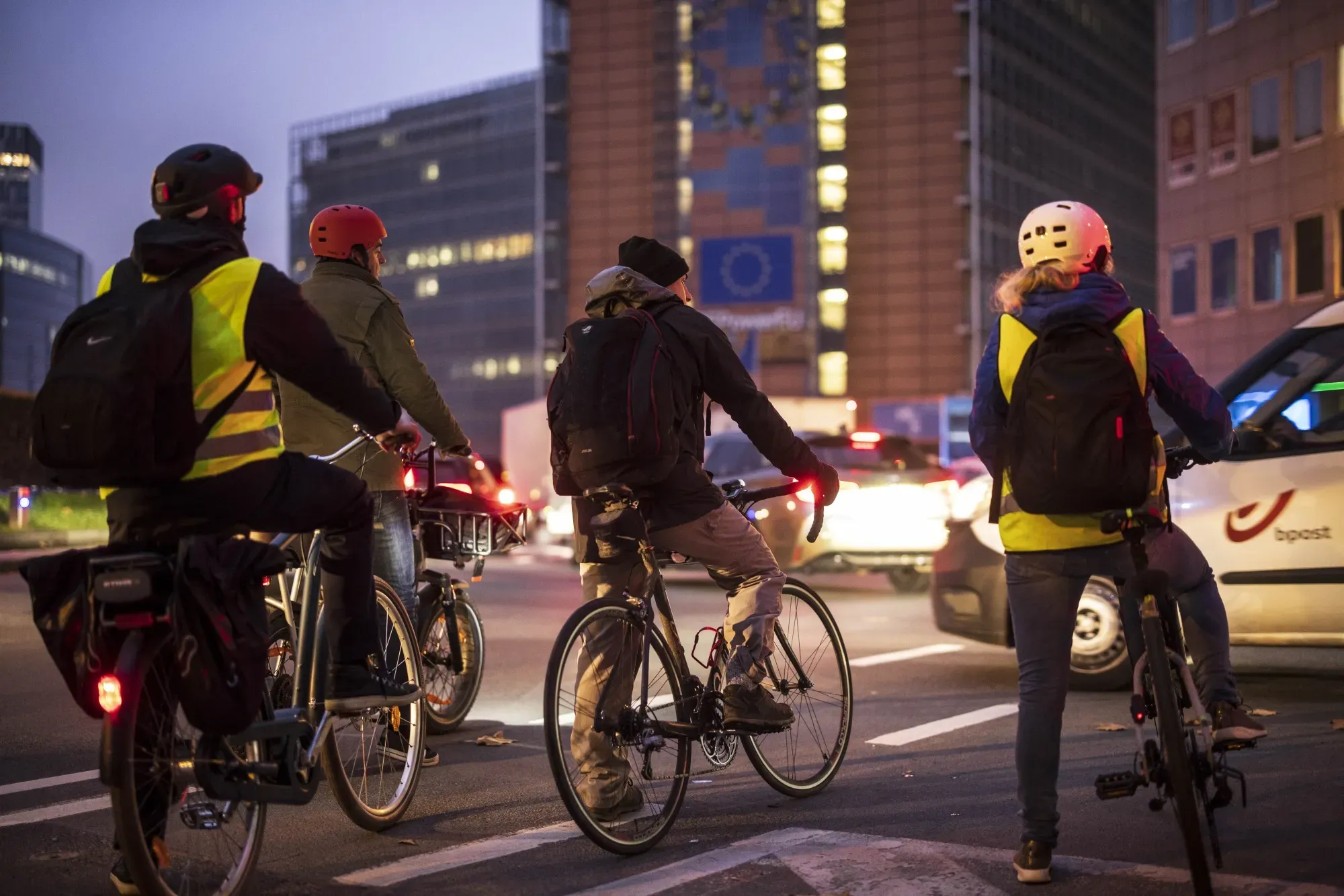
Brussels became the center of a major car-free movement across Belgium as cities opened roads to pedestrians and cyclists during the annual Car-Free Sunday event.
The initiative was held on September 20, but fresh reports on September 21 highlighted the growing number of Belgian cities taking part.
The Brussels-led event saw streets across the capital closed to private cars for several hours. Other cities also joined the wider campaign.
Cities taking part included Aalst, Antwerp, Bruges, Ypres, Kortrijk, Leuven, Lier, Ostend, Roeselare, Tienen and Vilvoorde.
The event is designed to show how urban streets can be used when fewer cars are present. Residents can walk, cycle and take part in activities without normal road traffic.
Brussels has organized car-free events for years. The annual day has become one of the city’s largest public events.
The 2026 edition also carried a special transport theme because Brussels is celebrating 50 years of its metro system.
Public transport was free during the event in the Brussels Capital Region. This allowed residents and visitors to move around the city without relying on private cars.
The event also encouraged people to experience parts of Brussels in a different way. Streets normally used by cars became spaces for walking, cycling and community activities.
Supporters of car-free days say they can show the potential benefits of reducing traffic in busy cities. Such events can also raise questions about air quality, noise and the use of public space.
Not everyone sees the events in the same way. Some residents and businesses depend on cars for work, deliveries and daily travel. Traffic restrictions can therefore create practical challenges.
The wider participation across Belgium shows that the idea is not limited to the capital. Several cities now organize their own versions of car-free activities.
A survey reported after the event also showed that many Brussels residents support having more car-free days. The discussion could therefore continue beyond the annual September event.
For city planners, such events can provide an opportunity to observe how roads function with fewer private vehicles. They can also test temporary changes to public spaces.
The Brussels event is part of a wider European discussion about urban transport. Cities across Europe are examining ways to reduce congestion while maintaining access for residents and businesses.
Cycling has also become an important part of the transport debate. Car-free days give cyclists more room on roads and allow less experienced riders to travel without normal traffic conditions.
Public transport is another key part of the system. Free services during the event helped residents travel without needing to use a car.
The September 20 event has now ended, but its effects on the transport debate may continue. Belgian cities can use the experience to discuss future road planning and public space.
For Brussels, the event also offered a chance to mark the city’s transport history. Fifty years after the metro began, the capital continues to examine how people move around its streets.
The growing participation across Belgium suggests that car-free events remain an important part of the country’s urban transport discussion.

