

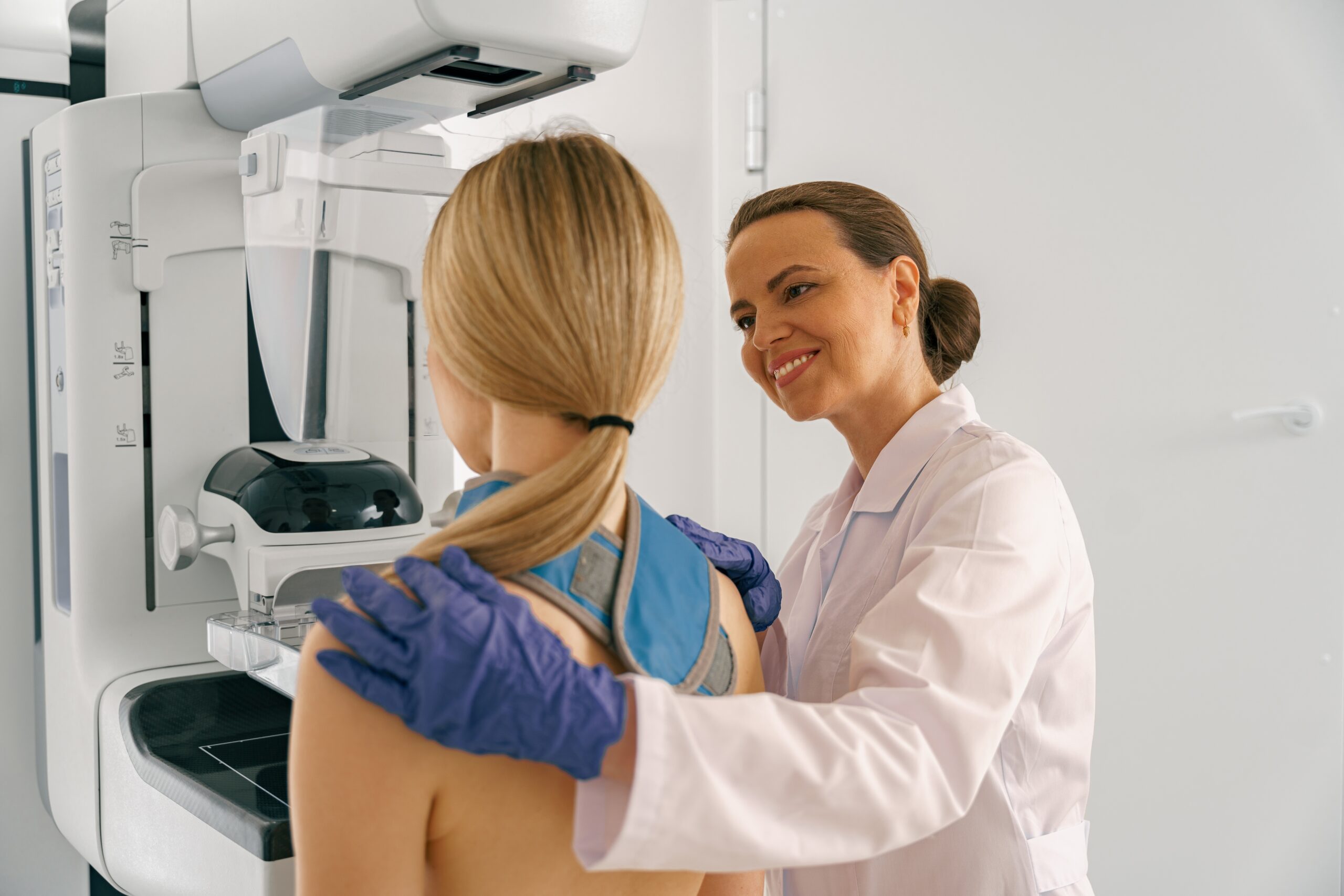
Women who miss their first breast cancer screening are 40% more likely to die from the disease, according to new research.
The study, published in the British Medical Journal by experts at Sweden’s Karolinska Institute, tracked around 500,000 women invited to their first mammogram between 1991 and 2020. Nearly one in three (32%) did not attend, and they were followed for up to 25 years.
The results showed that women who skipped their initial screening had a significantly higher breast cancer death rate – 9.9 deaths per 1,000 – compared with seven deaths per 1,000 among those who attended. They were also more likely to be diagnosed at a later stage and less likely to attend future screenings.
Researchers said the increased mortality reflected delayed detection rather than a higher risk of developing breast cancer. “First screening non-participants had a 40% higher breast cancer mortality risk than participants, persisting over 25 years,” they wrote.
A linked editorial by US researchers said the findings showed the first appointment was “far more than a short-term health check”, describing attendance as “a long-term investment in breast health and survival”.
In England, women are invited for screening between the ages of 50 and 71, with a first invitation by 53. Latest NHS data shows about 70% of eligible women are up to date, leaving nearly one in three behind. Claire Rowney, chief executive of Breast Cancer Now, called the figures “worryingly high” and urged more action to make screening accessible.
The study comes amid wider concerns about global cancer trends. A report in The Lancet projects annual cancer deaths will rise nearly 75% to 18.6 million by 2050, with new cases climbing 61% to 30.5 million, driven largely by population growth and ageing.
In more positive news, scientists revealed in Nature that blocking a protein known as SPP1 could halt the spread of pancreatic cancer, one of the deadliest forms of the disease. The breakthrough could pave the way for new treatments aimed at improving survival.

