

The European Union has welcomed a new framework agreement between the United States and Iran and called for the immediate, toll-free reopening of the Strait of Hormuz, a key global shipping route for oil and trade.
EU leaders said the deal could help reduce tensions after months of conflict that disrupted global energy flows and raised concerns across international markets. The agreement, announced by United States President Donald Trump, is aimed at ending a war that began earlier this year and restoring stability in the region.
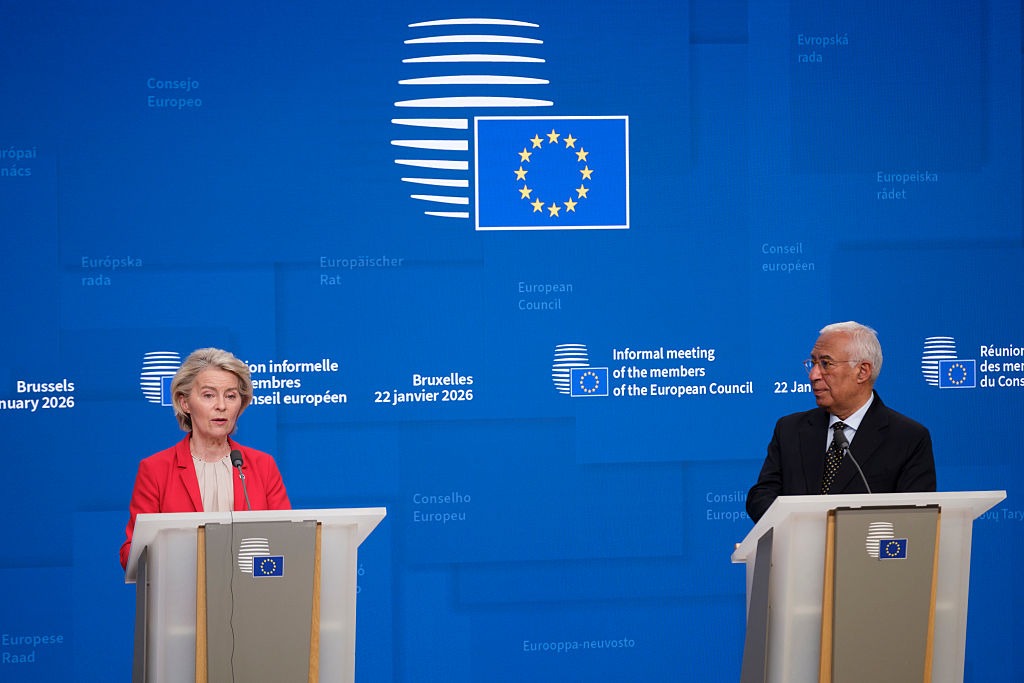
European Commission President Ursula von der Leyen, European Council President António Costa, and EU foreign policy chief Kaja Kallas all expressed support for the framework on June 15, calling it an important step toward de-escalation.
Von der Leyen said the priority is the full and fast implementation of the agreement by all parties involved. She stressed that freedom of navigation must be restored without tolls in the Strait of Hormuz, describing it as essential for global trade and energy stability.
The Strait of Hormuz is one of the world’s most important shipping routes, linking major oil-producing regions with global markets. Any disruption in this passage has immediate effects on energy prices and international supply chains.
EU officials warned that the crisis has highlighted the risks of relying heavily on limited energy routes. Von der Leyen said Europe must reduce dependency on vulnerable supply chains and develop alternative transport and export routes to improve resilience in future crises.
She also said the issue will be discussed at an upcoming G7 summit in Evian, France, where global leaders are expected to review energy security and regional stability concerns.
António Costa welcomed the agreement and said he hopes it will bring an end to what he described as a costly war. He called for all sides to stop military action and resolve remaining disagreements through peaceful negotiations. The European Council is expected to consider possible EU support for long-term peace efforts.
Kaja Kallas described the deal as a potential breakthrough for regional diplomacy. She said EU foreign ministers meeting in Luxembourg on June 15 would assess how the bloc could contribute to the next phase of talks and implementation.
The conflict reportedly escalated after military strikes in late February, which triggered retaliation and led to Iran closing the Strait of Hormuz. The closure disrupted global oil shipments, as roughly 20 percent of the world’s oil passes through the waterway.
Under the new framework, the Strait would be reopened for toll-free shipping once the agreement is formally signed. Reports suggest the signing could take place later this week, although final details are still being confirmed.
EU officials also linked the agreement to broader regional stability concerns, including the situation in Lebanon. Von der Leyen said there can be no lasting peace in the Middle East while conflict continues there, and she called for respect for sovereignty and a genuine ceasefire.
Kallas added that the EU is considering how to support Lebanon as international peacekeeping arrangements evolve. She said the bloc is evaluating whether it may play a larger role as United Nations forces prepare to reduce their presence.
For now, EU leaders say the agreement represents a chance to ease tensions and restore vital global shipping routes. However, they also stressed that lasting peace will depend on full compliance and continued diplomatic engagement from all sides.

