

The European Union and China have agreed to intensify trade discussions over the next four months in an effort to prevent a wider trade dispute and address growing economic concerns. The talks are aimed at easing tensions while seeking progress on long-standing issues, including Europe’s large trade deficit with China.
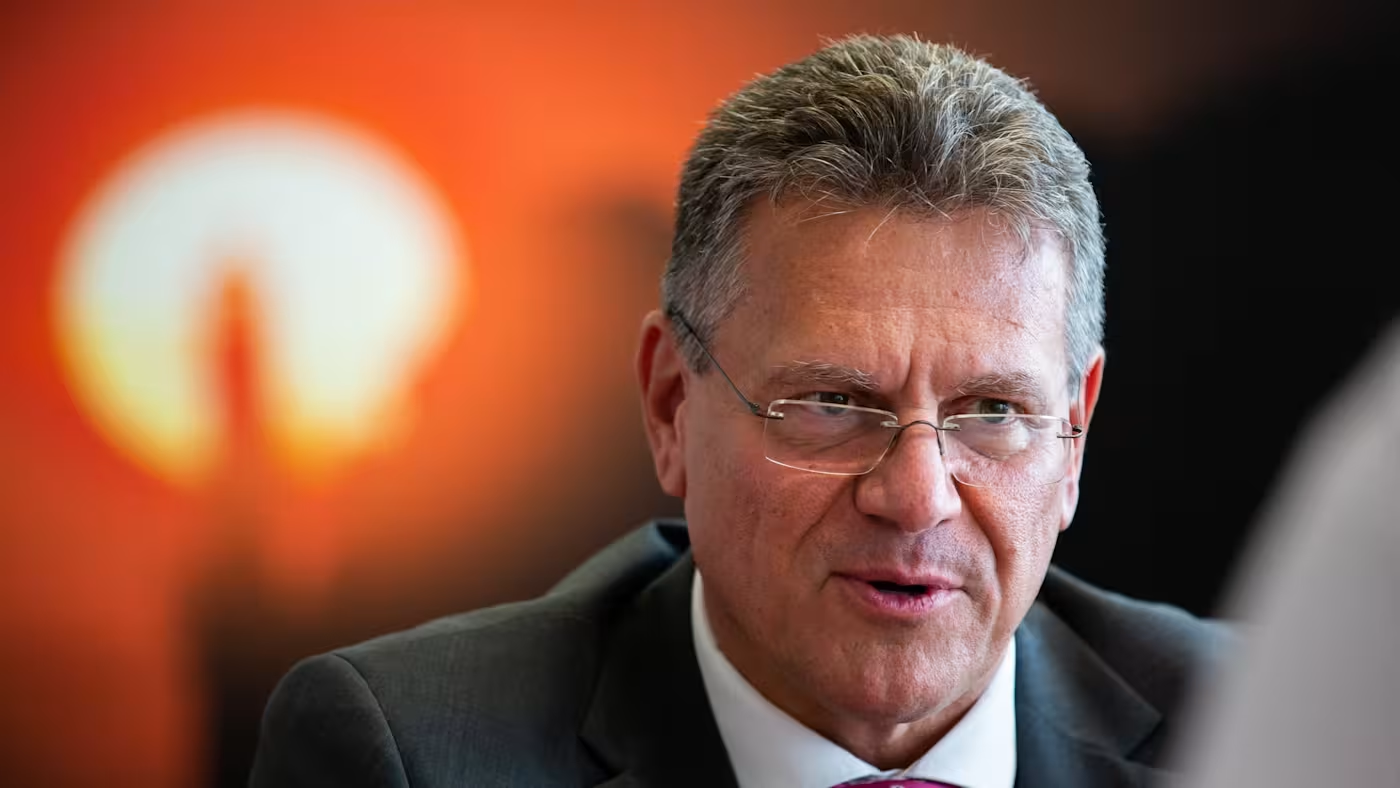
EU Trade Commissioner Maroš Šefčovič and Chinese Commerce Minister Wang Wentao met to discuss ways to improve trade relations and expand cooperation. The discussions come as both sides face increasing pressure from global trade challenges and changing supply chain conditions.
Following the meeting, Šefčovič said the European Union expects “tangible results” by October, particularly in reducing the bloc’s large trade imbalance with China. According to EU officials, the annual trade deficit with China has grown to about €360 billion, raising concerns among European policymakers.
The European Commission has argued that the current trend is not sustainable. Officials say Chinese exports to Europe continue to increase while European companies face difficulties expanding their presence in the Chinese market.
To address these concerns, both sides agreed to establish new trade and investment consultations covering several priority areas. The discussions will focus on trade and investment, export controls, intellectual property rights, and reform of the World Trade Organization.
European officials hope the new consultation framework will produce practical outcomes rather than simply continuing previous rounds of dialogue that delivered limited progress.
Another important deadline is approaching in November, when a temporary trade truce between China and the United States is due to expire. The outcome of those negotiations could have significant consequences for European manufacturers and global supply chains.
Earlier agreements between Washington and Beijing helped ease restrictions on exports of rare earth minerals and permanent magnets. These materials are essential for industries such as electric vehicles, electronics, renewable energy equipment, and advanced manufacturing.
Under the current arrangement, companies seeking to purchase certain rare earth products must apply for export licenses. European businesses have expressed concerns that future restrictions could disrupt manufacturing if licensing rules become more restrictive.
Šefčovič said Chinese officials assured the European Union that they do not intend to interrupt supply chains serving European companies. He also proposed measures that could simplify the licensing process for EU businesses importing critical materials.
While the European Union is pursuing negotiations, officials have also prepared alternative options if talks fail to deliver meaningful progress. EU leaders have asked the European Commission to consider additional trade defense measures should economic imbalances continue.
Possible measures could include higher tariffs on selected imports or policies encouraging European companies to diversify their supply chains and reduce dependence on single overseas markets.
China also continues to raise concerns about several European trade policies. One issue involves a new European Union fee on small parcels imported from overseas, scheduled to take effect on July 1. Many of these shipments originate from Chinese online shopping platforms.
Chinese officials have also called for the removal of European tariffs on Chinese electric vehicles and have raised concerns over restrictions affecting exports of advanced semiconductor manufacturing equipment.
Trade experts say the coming months will be important for determining whether both sides can reduce tensions through negotiation. The newly established consultation process is expected to serve as the main forum for addressing commercial disputes before additional trade measures are considered.
The European Union and China remain major trading partners despite ongoing disagreements over market access, industrial policy, technology, and trade practices. Both economies have strong commercial ties, making continued dialogue important for businesses operating across international markets.
The EU China Trade Talks are expected to continue throughout the coming months as officials work toward practical agreements before key deadlines later this year. Both sides hope the discussions will help stabilize economic relations while reducing the risk of a broader trade conflict.

