

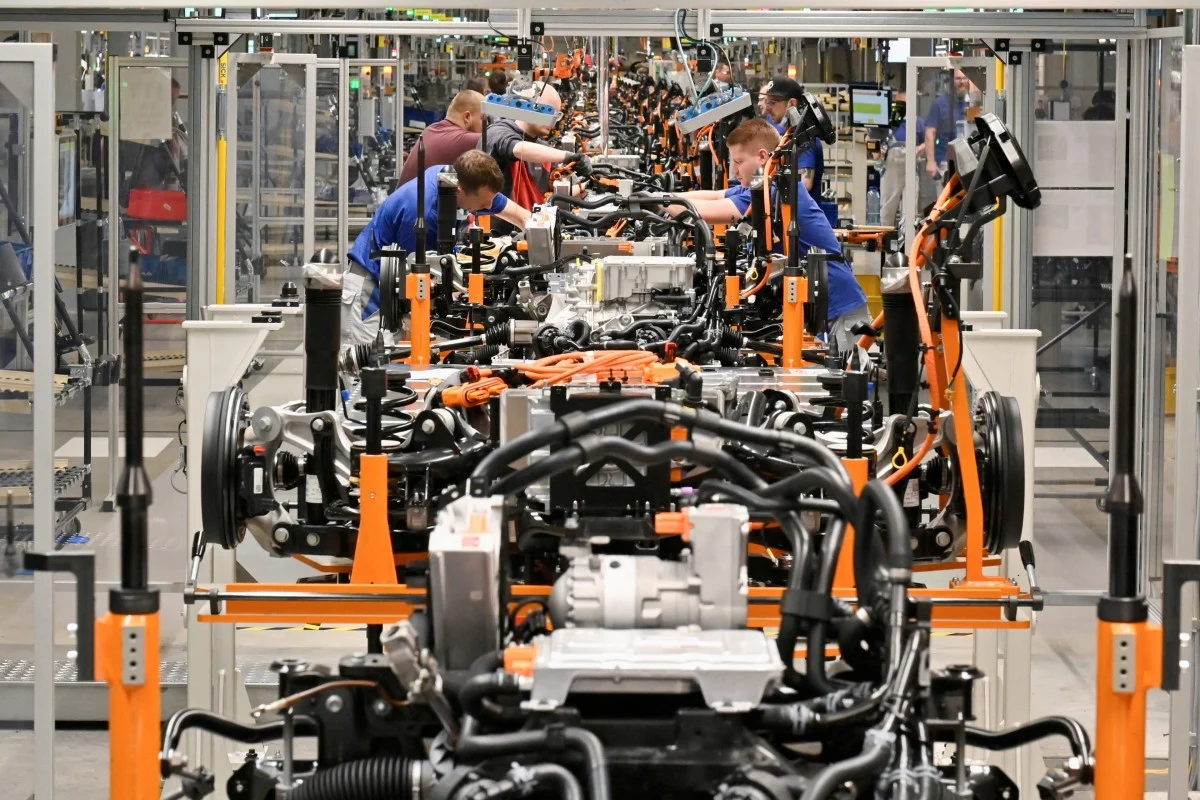
The European Union is preparing for important trade talks with China as leaders face growing concerns over rising imports and increasing pressure on European industries. The discussions come after reports that German carmaker Volkswagen may cut up to 100,000 jobs as it struggles against strong competition from Chinese manufacturers. The news has added urgency to the EU’s efforts to strengthen its trade strategy while keeping open communication with Beijing.
Only a week earlier, leaders from the European Union’s 27 member states met in Brussels to discuss their approach toward China. During the summit, they agreed that the European Commission should speed up measures to protect European industries from what they see as a sharp increase in Chinese exports. At the same time, leaders also supported maintaining dialogue and economic engagement with China instead of cutting ties.
The reported challenges facing Volkswagen have become a symbol of the wider concerns across Europe. Chinese manufacturers have expanded rapidly in sectors such as electric vehicles, batteries, solar equipment, and other advanced industries. Many European companies now face stronger competition as Chinese products enter international markets at competitive prices.
On Monday, European Trade Commissioner Maros Sefcovic welcomed Chinese Commerce Minister Wang Wentao for high-level discussions in Brussels. The meeting is expected to focus on trade relations, investment, and ways to reduce growing tensions between the two economic powers.
European Union officials confirmed that both sides will launch a new trade and investment consultation platform. The new system aims to improve communication between Brussels and Beijing. Officials hope regular discussions will help resolve trade disputes more quickly and prevent future disagreements from becoming larger conflicts.
Despite the launch of the new platform, European officials remain cautious about the outcome of the talks. Many believe that major disagreements over trade policies will continue. While both sides have strong economic ties, they also compete in many important industries that affect jobs, investment, and economic growth.
One senior European official said policymakers must accept the reality of China’s current economic model. According to the official, China’s manufacturing sector continues to produce large volumes of goods, creating what many European leaders describe as industrial overcapacity. The official said Europe cannot expect China to change its economic system and must instead adapt its own policies to remain competitive.
The European Commission has introduced several measures in recent years to respond to growing trade pressures. These include trade defense investigations, new rules on foreign subsidies, and efforts to strengthen domestic industries. European leaders believe these actions can help protect businesses while ensuring fair competition in global markets.
Trade relations between the European Union and China remain among the largest in the world. China is one of the EU’s biggest trading partners, while European companies continue to invest heavily in the Chinese market. This close economic relationship makes cooperation important even during periods of disagreement.
Business leaders across Europe are closely watching the latest talks. Many hope stronger communication can reduce uncertainty and create more stable conditions for trade and investment. At the same time, companies want policymakers to address concerns about market access, competition, and supply chain security.
The coming months may shape the future of EU China Trade relations. European leaders are expected to continue balancing economic cooperation with efforts to protect domestic industries from growing global competition. As trade tensions continue to evolve, both Brussels and Beijing face the challenge of finding practical solutions that support economic growth while reducing the risk of deeper commercial disputes.

