

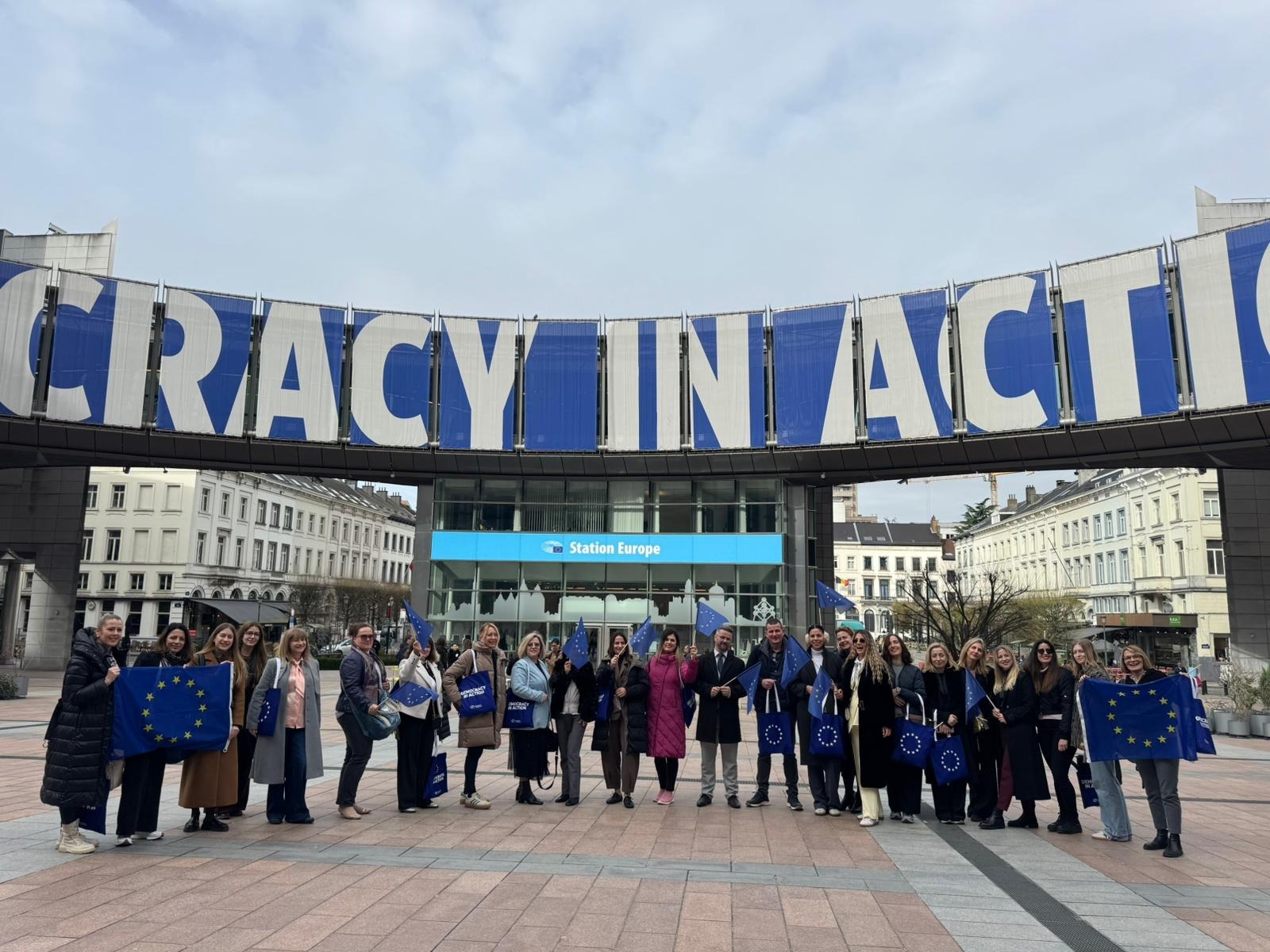
Brussels is hosting Connecting Europe Days from September 28 to October 1, bringing policymakers, financial institutions, transport companies and researchers together to discuss the future of European mobility. The four-day event begins on Monday and focuses on transport infrastructure, investment and the development of a more connected European transport system.
The event is organised by the European Commission’s Directorate-General for Mobility and Transport. It is designed as a major meeting point for people involved in transport policy and infrastructure.
Transport is important to the European economy because goods and people move across national borders every day. Roads, railways, ports, airports and other networks connect businesses with customers and suppliers.
The European Union has been investing in transport infrastructure to improve these connections. Better links can reduce travel times, support trade and help regions become more accessible.
Connecting Europe Days provides a place for governments, companies and financial institutions to discuss these projects. Infrastructure requires large amounts of investment, so cooperation between public and private organisations can be important.
One major area of interest is sustainable transport. European countries are working to reduce emissions from transport while maintaining efficient movement of goods and passengers.
Electric vehicles, rail transport and alternative fuels are part of this change. Digital technology is also becoming more important because transport networks can use data to manage traffic and improve services.
The Brussels event will therefore look beyond individual transport projects. Discussions are expected to consider how European networks can operate as one connected system.
Cross-border transport can sometimes face practical problems because national systems use different rules, technologies and infrastructure. Better coordination can make journeys easier for passengers and businesses.
Rail is one area where stronger connections could have a major effect. High-speed rail and improved cross-border services can provide alternatives to short-distance air travel.
Ports are another important part of the European network. European industries depend on international trade, meaning efficient connections between ports, roads and railways are essential.
The event also brings financial institutions into the discussion. Transport infrastructure projects often require large long-term investments. Governments may need loans, grants or other financial arrangements to complete major projects.
For Brussels, hosting the event reinforces the city’s position as a centre for European policy. Many organisations involved in transport policy are already based in the Belgian capital.
The September 28 opening will bring together participants from different countries and sectors. The discussions can also help companies identify potential partners and future projects.
Transport technology is changing quickly. Electric buses, automated systems, digital ticketing and intelligent traffic management are becoming more common.
European transport policy must therefore adapt to new technology while maintaining safety and reliability. New systems need to work with existing infrastructure rather than creating isolated networks.
Climate policy is another major issue. Transport remains an important source of greenhouse gas emissions, so reducing pollution is a central part of Europe’s environmental goals.
However, reducing emissions while maintaining affordable and reliable transport can be difficult. Governments need to consider the cost of new infrastructure and the needs of passengers and businesses.
Connecting Europe Days provides an opportunity to discuss those practical questions. Policymakers can compare experiences, while businesses can present new technologies and investment proposals.
The event runs from September 28 through October 1, making it one of the major European transport gatherings of the week.
For Brussels, the event will bring international visitors and professionals into the city. For Europe, the discussions are linked to the longer-term challenge of building transport networks that are connected, sustainable and able to support economic activity.
The September 28 opening therefore marks the beginning of four days of discussions about Europe’s transport future.

