

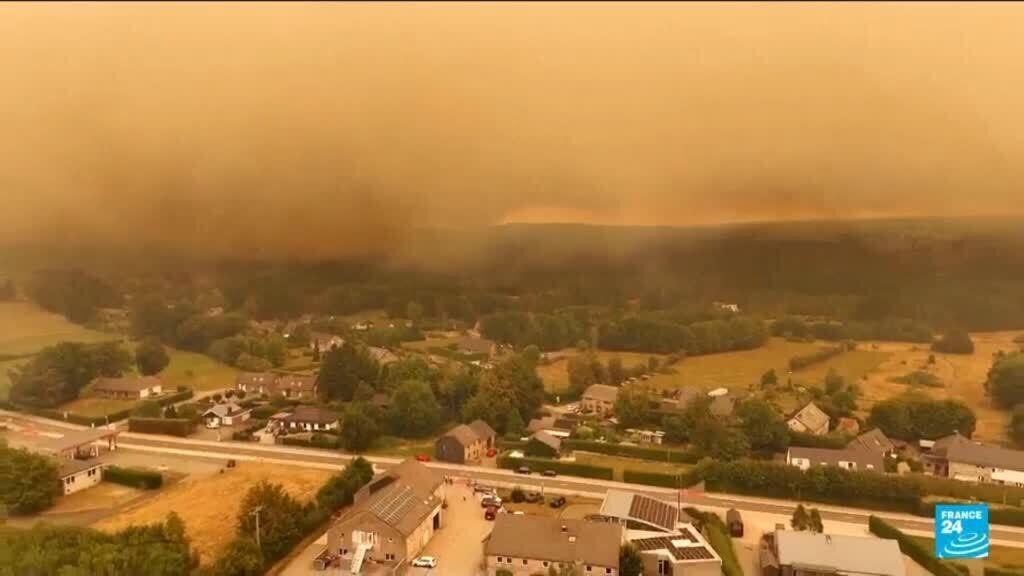
Belgium faces its worst forest fire in over one hundred years. The fast blaze is burning key areas in the High Fens nature reserve. Hundreds of fire crews are fighting the flames on the ground. Neighboring nations have stepped in to aid the fight.Germany, Sweden, Norway, and the Netherlands sent teams and helicopters. The joint force works day and night to stop the spread.
The massive fire started after weeks of hot weather.Dry grass and peat bogs made the fire spread fast.Thick smoke soon covered nearby towns and roads.Officials ordered people to leave their homes for safety.More than six hundred residents had to flee the area. Local shelters were set up in safe zones to house families.
Emergency teams work in hard conditions. Strong winds keep pushing the fire lines into fresh woods. Water air drops hit the worst fire zones from above. Ground crews clear dry trees to block the path of the flames. Helicopters carry large water tanks to drop on remote hills. Local police also guard roads to keep roads clear for fire trucks.
Belgium asked for European Union aid to get quick help. European Union leaders met to speed up emergency cash and gear. Dutch and German teams were the first to cross the border. Swedish and Norwegian air crews joined the work soon after. The shared aid shows strong support among European neighbors during crisis events.
Local authorities say the fire area is hard to reach. Dry peat soil burns deep under the ground surface. This makes the fire hard to put out with standard hose lines. Crews must soak the land with vast amounts of water. Fire chiefs warn that full containment will take several days.
The High Fens reserve is a famous national park. It holds rare plants and wild animals in vast wetlands. Park guards fear the blaze will cause lasting environmental damage. Many animal habitats have already been destroyed by intense heat. Experts will study the land damage once all fire spots are dead.
The heat wave set top heat records across western Europe. Temperatures topped thirty-seven degrees Celsius in many local spots. Dry ground turned public parks and woods into high fire zones. Officials banned open fires and outdoor camp cooking in all forests. People are asked to report any sign of smoke right away.
Evacuated families wait for news at nearby emergency shelters. Red Cross volunteers supply hot meals, water, and beds. Local leaders praised the quick work of first responders. No deaths have been reported inside Belgium so far. Yet, doctors warn that heavy smoke poses health risks to children and seniors.
Regional power lines were shut down to protect ground crews. Some homes near the park line lost power for long hours. Utility crews stand by to fix lines once areas are safe. Roads near the nature park remain closed to public cars.
This disaster highlights the growing risk of extreme summer heat. Climate experts note that northern Europe faces more wild forest fires now. Planning for fast emergency response is vital for all European states. Improved early warning systems help save lives when fires spread fast.
Fire crews plan to hold current lines through the night. Cooler night air may help slow the spread of the flames. Ground crews will use thermal tools to find hidden hot spots in the dirt. More air drops will start at first light to target key forest zones.
Belgium expressed deep thanks to all foreign aid teams. The quick arrival of foreign helicopters kept the fire from hitting residential streets. Local leaders say joint operations will continue until the whole park is safe. The nation remains united as it battles this rare natural disaster.

