

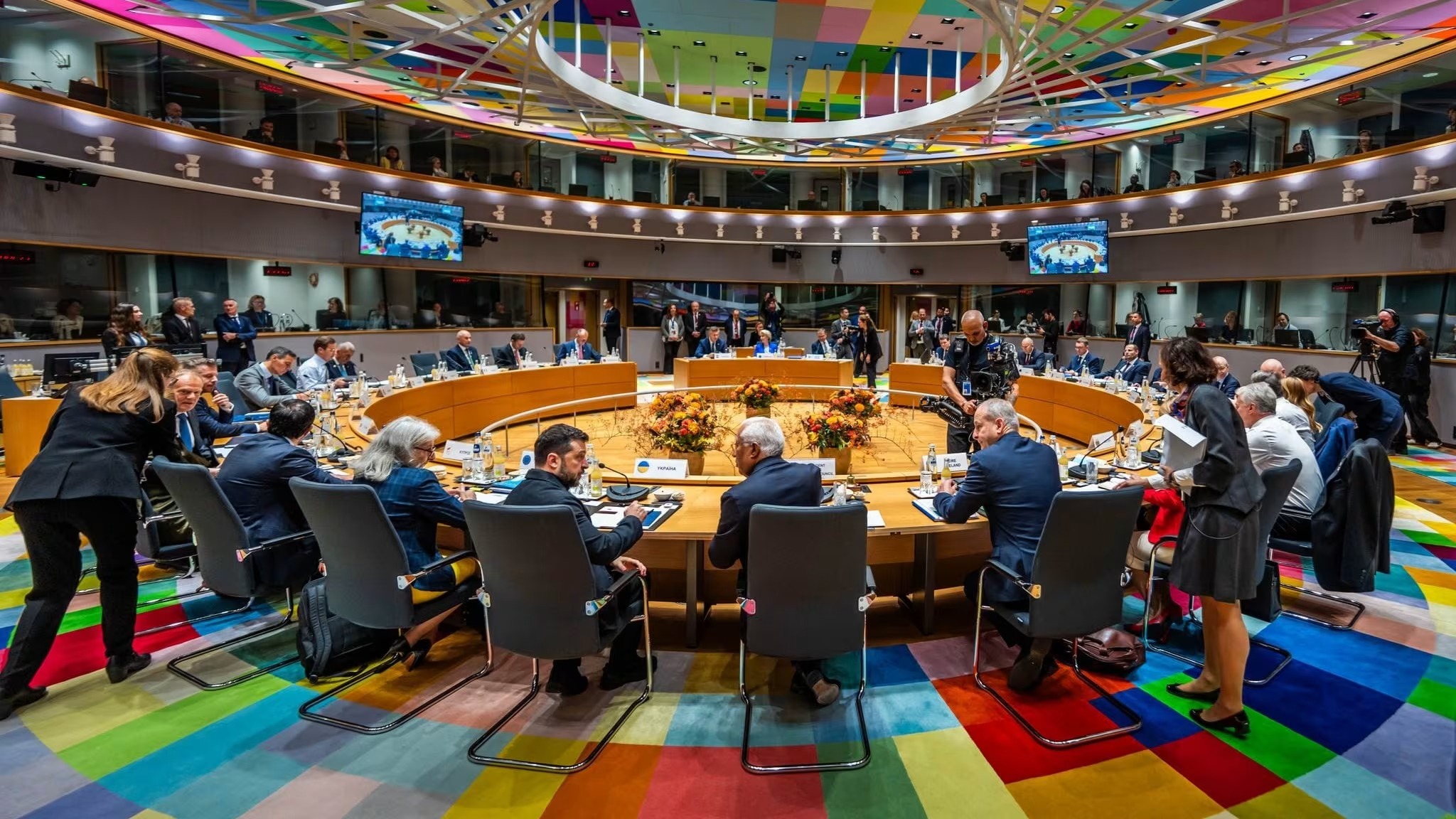
Belgium remains central to a difficult European debate over frozen Russian assets and possible financial support for Ukraine. A large amount of Russian central bank money is held in the Belgian financial system through Euroclear, making the country an important part of discussions about how the funds might be used.
European governments have explored ways to use frozen Russian assets or the income they generate to help Ukraine recover from the damage caused by Russia’s invasion. Supporters argue that Russia should bear a greater share of the cost of rebuilding the country. They also say that European support will be important if Ukraine faces continued pressure on its public finances.
The issue creates legal and financial risks. Governments must consider whether the proposed measures comply with international law and what could happen if Russia challenges them. Financial institutions also need to assess the risk of lawsuits, retaliation and changes in investor confidence. Because Euroclear is based in Belgium, decisions made at the European level could have consequences for the country’s financial system.
The debate has become more complicated because European governments do not always agree on how the assets should be handled. Some want stronger measures to support Ukraine, while others are concerned about the legal precedent and possible damage to Europe’s reputation as a safe place to hold international reserves. These concerns have made it difficult to reach a shared approach.
The issue also involves wider relations with the United States and Russia. European leaders are concerned about the future of Ukraine’s security and the level of support it can expect from its allies. Disagreements among Western governments could weaken their ability to present a common position.
Belgium has a particular interest in ensuring that any plan takes account of the risks facing its financial institutions. A sudden legal dispute or retaliatory action could create uncertainty for companies and investors. At the same time, refusing to act could create political pressure from European partners who want stronger support for Ukraine.
A lasting solution will require agreement on legal protections, financial responsibility and the purpose of any funds used. Governments will also need to explain how the policy can support Ukraine without creating unnecessary instability in European markets.
The debate shows how the war has affected financial policy far beyond the battlefield. Belgium’s role in the discussion makes it an important part of Europe’s search for a response that is legally sound, financially manageable and politically sustainable.

