

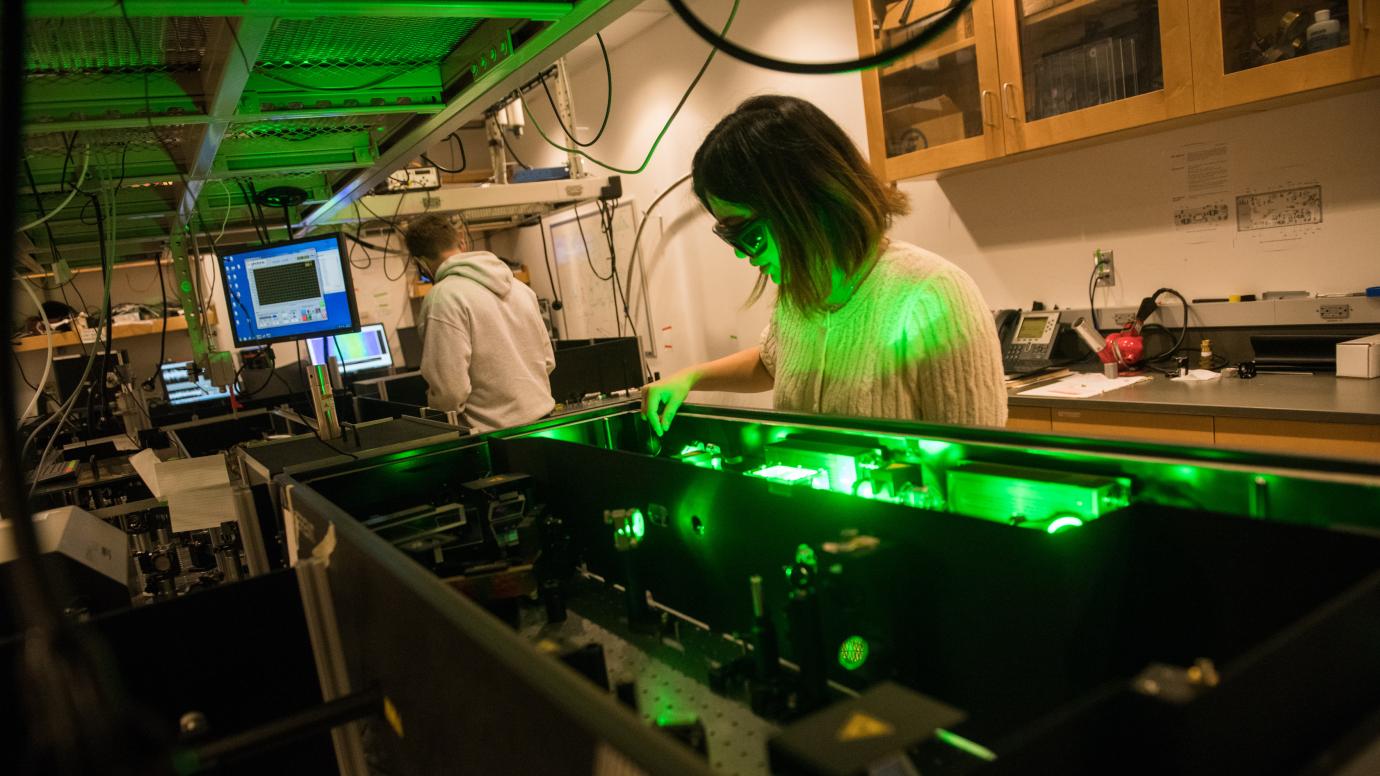
The National Science Foundation (NSF) has announced a major initiative to expand quantum and nanotechnology research across the United States. Although first revealed earlier in 2026, the program will establish a nationwide network of open-access labs. Experts say this move will accelerate U.S. innovation and support workforce development in emerging technologies.
The initiative focuses on providing researchers and students with access to state-of-the-art facilities. These labs will include advanced equipment for quantum computing, nanofabrication, and materials science. By opening these resources to a wider scientific community, the NSF aims to promote collaboration and accelerate breakthroughs in critical fields.
One of the key goals of the initiative is workforce training. Students, postdoctoral researchers, and industry professionals will gain hands-on experience in cutting-edge technologies. This approach helps prepare the next generation of scientists and engineers for careers in rapidly evolving sectors.
The nationwide lab network will also support open-access research. Universities, startups, and industrial partners can use the facilities to test new ideas and prototype advanced technologies. Experts say this will reduce barriers for innovation and foster faster commercialization of discoveries.
Quantum technology is a central focus of the program. By providing access to quantum computing and quantum communication tools, researchers can explore applications in encryption, materials science, and artificial intelligence. These labs will help maintain the U.S. leadership position in a field that is rapidly growing globally.
Nanotechnology is another priority. The labs will include nanofabrication and characterization equipment that allows researchers to manipulate materials at atomic and molecular scales. This capability is essential for developing next-generation electronics, sensors, and medical devices.
Industry leaders note that the initiative could accelerate collaboration between academia and private companies. Startups and established firms will benefit from the shared infrastructure, reducing costs and speeding development timelines. This partnership model could drive faster innovation cycles in both quantum and nanotech sectors.
The NSF emphasizes that the labs will be geographically distributed to reach a wide range of institutions. This ensures equitable access to high-end technology, allowing smaller universities and regional research centers to contribute to national innovation goals.
Experts say that the open-access approach will also encourage interdisciplinary research. Scientists from physics, chemistry, engineering, and computer science will have opportunities to work together on complex projects, creating solutions that might not emerge in isolated labs.
The initiative aligns with national priorities to strengthen U.S. competitiveness in science and technology. By combining cutting-edge infrastructure, workforce training, and open-access collaboration, the program aims to build a robust innovation ecosystem capable of addressing future technological challenges.
In addition to research benefits, the program is expected to have economic impacts. Training a skilled workforce in quantum and nanotechnology can attract investment, foster startups, and generate high-tech jobs. Experts say this combination of research and workforce development will support long-term growth in U.S. science and technology sectors.
Overall, the NSF quantum nanotech initiative represents a major investment in the country’s technological future. By creating a nationwide network of open-access labs, the program will advance innovation, accelerate research, and prepare the next generation of skilled professionals for high-tech careers.

