

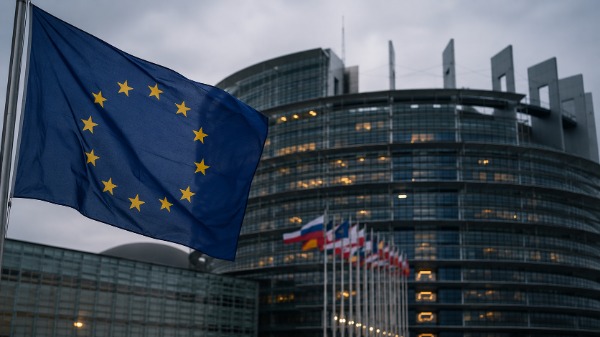
A proposal to introduce a bloc-wide gambling levy is moving into formal discussion within the European Parliament, marking a shift in how European Union may look to fund its growing long-term budget needs.
Lawmakers are expected to examine the idea next week as part of early-stage discussions on the EU’s financial framework for 2028 to 2034. The plan would introduce a 1% charge on gambling revenues or turnover generated across all 27 member states.
The proposal has been put forward by Romanian Member of the European Parliament Victor Negrescu, who argues that the rapidly expanding gambling industry, particularly online platforms, is increasingly operating across borders and should therefore contribute more directly to the EU budget.
While the discussion is still at an exploratory stage, it reflects growing pressure inside Brussels to identify new and stable sources of revenue as the bloc prepares for a long-term budget that could approach €2 trillion.
The Budget Committee of the European Parliament is scheduled to review the proposal on 27 May under the oversight of Piotr Serafin. The meeting is not expected to produce immediate legislation but represents the first formal step in the parliamentary process for the idea.
Supporters of the levy argue that the gambling sector is a strong candidate for EU-level taxation due to its digital nature and cross-border reach. They also say that stronger centralized funding could help support EU-wide programmes in areas such as health, education, and youth initiatives.
Some estimates from proponents suggest the levy could generate between €2 billion and €4 billion annually, potentially reaching up to €28 billion over a seven-year budget cycle.
A key argument from supporters is the size of Europe’s illegal gambling market. They claim that unregulated operators already dominate online betting in many regions, reducing tax revenues and increasing risks related to fraud, money laundering, and consumer harm.
Industry groups, however, strongly oppose the proposal. The European Gaming and Betting Association has argued that additional taxation would likely push more customers toward unlicensed operators that offer fewer restrictions and higher payouts.
The association’s secretary general, Maarten Haijer, has described the idea as impractical and warned that higher costs for licensed operators could unintentionally strengthen the illegal market.
The debate over illegal gambling has become central to both sides of the discussion. Industry representatives cite estimates suggesting that unlicensed gambling activity may already account for a large share of Europe’s digital betting sector, resulting in significant lost tax revenue for governments.
The European Casino Association has also highlighted research indicating that illegal gambling could cost European governments billions annually in lost taxes, reinforcing calls for stronger enforcement rather than new levies.
One of the major unresolved questions in the proposal is how the levy would be calculated. Early discussions have considered two possible approaches: taxing gross gambling revenue or taxing total turnover.
The difference between the two models is significant. A turnover-based tax would apply to all wagers placed, while a revenue-based model would only apply to operators’ net earnings after payouts.
The industry has warned that a turnover-based system would be particularly damaging and could discourage licensed operators from remaining within regulated EU markets.
Another major challenge is jurisdiction. Gambling regulation is currently controlled at the national level across most of the European Union, with wide differences in tax systems and regulatory frameworks between countries.
Any move toward EU-level taxation risks reopening long-standing debates over fiscal sovereignty between Brussels and member states, many of which are cautious about transferring tax authority to central institutions.
Despite these concerns, the proposal is gaining attention because of broader financial pressures facing the EU. The bloc is expected to face increased spending demands in areas such as defence, industrial policy, climate transition programmes, and repayments linked to previous crisis-era borrowing.
These pressures have pushed policymakers to consider new revenue sources that were previously seen as politically difficult or unrealistic.
For now, the gambling levy remains at an early stage and faces significant resistance from industry groups and potentially from some member states. The upcoming committee discussion is expected to be largely exploratory rather than decisive.
However, the fact that the proposal has reached formal parliamentary consideration highlights a wider shift in Brussels, where budget constraints are forcing renewed examination of sectors that have previously operated outside direct EU-level taxation.
As discussions continue, the debate over the gambling levy is likely to become a test case for how far the European Union is willing to go in expanding its own revenue base to meet rising financial commitments.

