

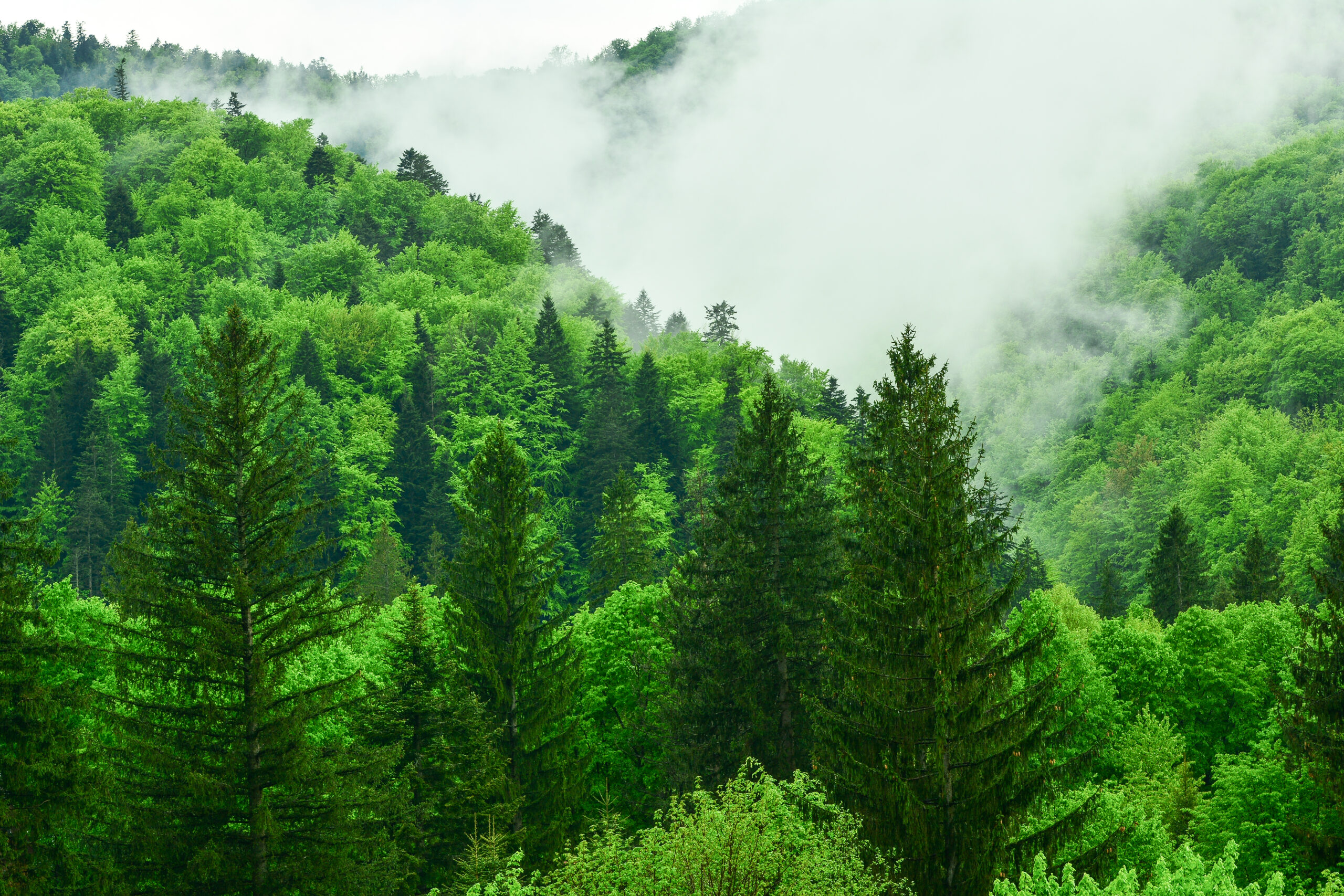
High in the Peloponnese mountains, Greece’s hardy fir forests are dying in places untouched by fire, alarming scientists who say a dangerous combination of climate pressures is pushing ecosystems beyond their limits.
When forest researcher Dimitrios Avtzis surveyed damage after a routine spring wildfire, he found vast areas of fir trees turning brown far beyond the burned zones. Entire hillsides were dying, prompting him to alert Greece’s environment ministry. “The scale of the damage was profound,” he said.
Wildfires have long shaped Mediterranean forests, but experts say recent die-offs are driven by overlapping stresses intensified by climate breakdown. Prolonged drought, rising temperatures and sharply declining winter snowfall have weakened trees, leaving them vulnerable to bark beetles that burrow under the bark and disrupt water and nutrient flow. Once outbreaks take hold, they are hard to control.
Researchers say similar patterns are emerging across southern Europe, suggesting the crisis is not unique to Greece. While some regeneration is possible, recovery is slow and uncertain.
Scientists warn that without coordinated government action and sustained funding, such forest losses are likely to become more frequent. “We have the knowledge,” Avtzis said. “What matters now is whether we act.”

