

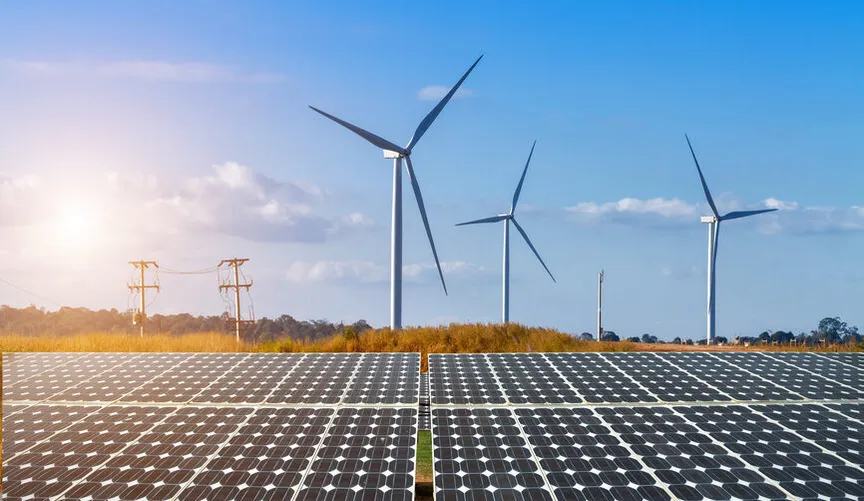
The United States government has expanded support for clean energy initiatives, increasing investments in renewable energy projects and electric vehicles. The move reflects a broader commitment to environmental sustainability, economic growth, and the transition toward a low-carbon future.
Officials emphasized that the expanded programs aim to accelerate the adoption of clean technologies across the nation. Investments include funding for solar and wind power projects, upgrades to energy infrastructure, and incentives for electric vehicle production and adoption. By supporting these initiatives, the government seeks to reduce carbon emissions and enhance energy security.
The new measures also focus on modernizing the electrical grid to handle increased renewable energy capacity. Upgrades will improve efficiency, resilience, and reliability, enabling more sustainable power distribution to homes and businesses. Officials highlighted that these improvements are critical for meeting climate goals and ensuring long-term energy stability.
Electric vehicle programs are a key component of the initiative. The government plans to provide incentives for consumers, support charging infrastructure development, and promote domestic manufacturing of EVs. Authorities emphasized that boosting the electric vehicle market is essential for reducing greenhouse gas emissions and fostering technological innovation.
Economic growth is another central goal of the expanded clean energy programs. Officials noted that investments in renewable energy and electric vehicles create jobs, stimulate local economies, and encourage private sector participation. Analysts suggest that the initiatives will generate opportunities in manufacturing, engineering, research, and maintenance sectors, benefiting communities nationwide.
The government also plans to collaborate with state and local authorities to ensure that clean energy projects reach underserved regions. By promoting equitable access to renewable resources and technologies, officials aim to address energy disparities and create inclusive economic growth. Programs will prioritize areas with high unemployment and limited access to clean energy solutions.
Environmental advocates praised the expanded initiatives, noting that increased investment in renewables is crucial for combating climate change. By accelerating the transition away from fossil fuels, the U.S. can reduce pollution, protect natural ecosystems, and meet international climate commitments. Officials stressed that sustainable growth and environmental protection are mutually reinforcing goals.
In addition to domestic benefits, the government highlighted the role of clean energy initiatives in strengthening international partnerships. Collaborating with other nations on renewable energy technologies and climate solutions enhances global leadership and promotes shared environmental responsibility. Officials noted that innovation in clean energy can position the U.S. as a global hub for sustainable technology.
The expanded programs include research grants for emerging technologies, such as advanced battery storage, hydrogen energy, and smart grid systems. These efforts aim to enhance efficiency, reduce costs, and enable scalable deployment of clean energy solutions. Authorities emphasized that continued innovation is essential for long-term energy transition and economic competitiveness.
Public-private partnerships will play a significant role in implementing the initiatives. By leveraging private investment alongside federal funding, officials aim to accelerate deployment and maximize impact. Companies involved in renewable energy, electric vehicles, and supporting technologies are expected to benefit from increased demand and government incentives.
Officials also highlighted education and workforce development as critical components of the strategy. Training programs and vocational initiatives will prepare workers for careers in the clean energy sector, ensuring a skilled labor force capable of supporting sustained growth and technological advancement.
The U.S. government’s expanded support for clean energy initiatives demonstrates a commitment to sustainability, economic development, and innovation. By investing in renewable energy, electric vehicles, and infrastructure improvements, the administration aims to reduce emissions, create jobs, and strengthen the nation’s position as a global leader in clean energy.

