

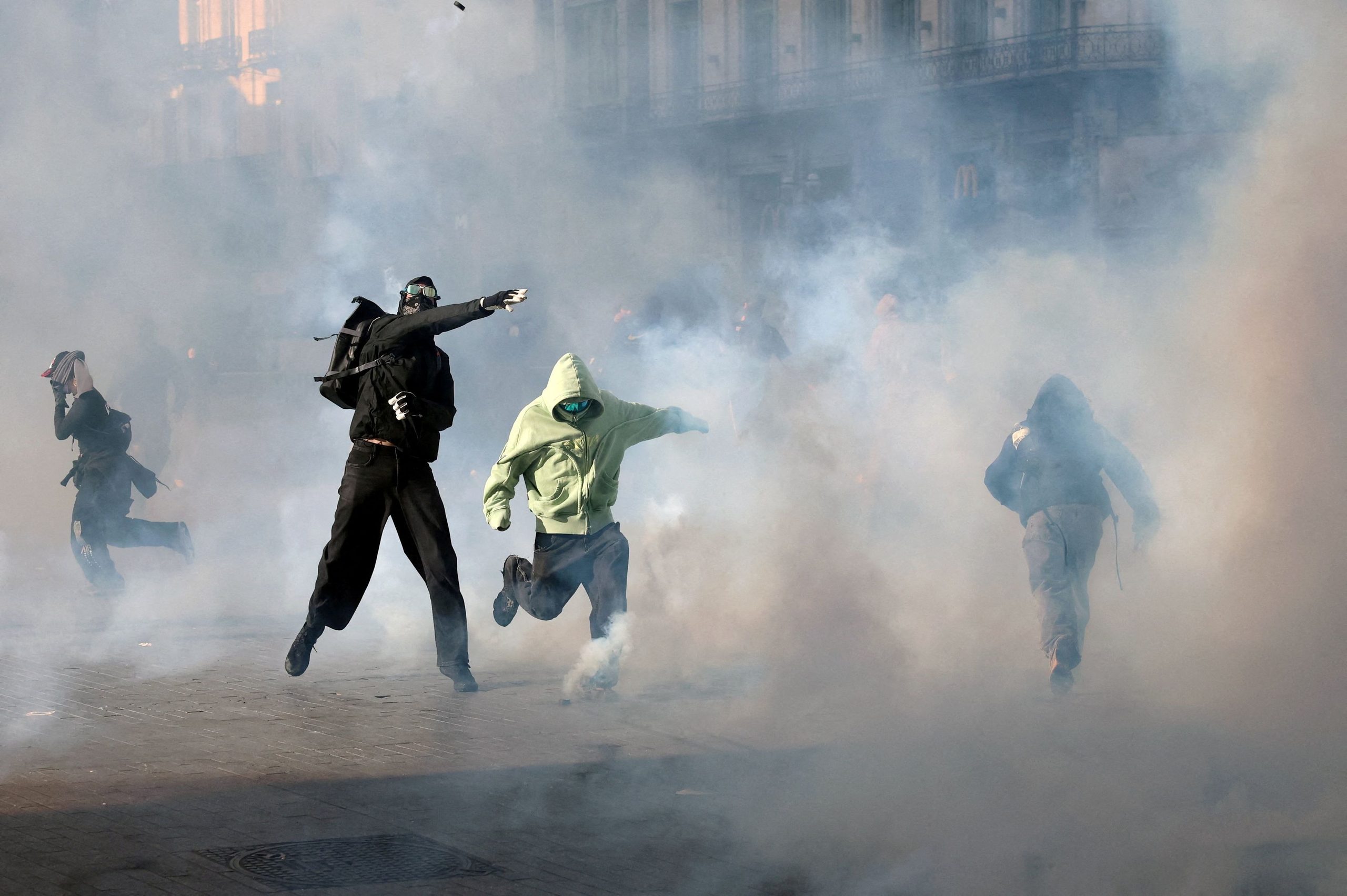
Belgium has become part of a wider wave of European unrest driven by frustration over living costs, public services and government decisions. Protests in Brussels have included students concerned about education reforms and the rising cost of continuing their studies. The demonstrations have raised questions about how governments can respond to public anger without allowing violence to spread.
The situation in Belgium reflects pressures seen elsewhere in Europe. Higher energy costs have affected households and businesses, while students and workers have raised concerns about whether public services are meeting their needs. These issues differ from country to country, but they share a common theme: many people feel that everyday life has become more expensive while opportunities have become harder to secure.
In Brussels, recent demonstrations turned violent after groups of protesters clashed with police. Officers used tear gas and water cannons after some participants overturned a car. Belgian officials condemned the violence and said public safety had to be protected. The events also raised concerns about the effects of unrest on businesses, transport and residents.
The right to peaceful protest remains an important part of democratic life. Demonstrations allow people to express opposition to government policies and call for change. However, attacks on people or property can undermine public support and make it harder for the original concerns to be heard. Authorities must respond proportionately while keeping public spaces safe.
The protests also create pressure for political leaders. They need to explain reforms clearly and show how decisions may affect students, workers and families. If people believe their concerns are ignored, demonstrations may continue or attract support from wider groups.
The economic situation adds to the challenge. When prices rise faster than household incomes, people may cut spending on non-essential goods and services. This can affect shops, restaurants and other local businesses. Public unrest can make the situation worse if transport is disrupted or customers avoid affected areas.
Belgium’s leaders must therefore consider both the immediate security response and the deeper reasons for dissatisfaction. Dialogue with student groups, clear information about proposed changes and practical support for people facing financial pressure may help reduce tensions.
The events show that the cost-of-living debate is not limited to one country. European governments face similar questions about how to protect public services, support young people and maintain confidence in political institutions. The way they respond may shape the region’s social and political climate in the months ahead.

