

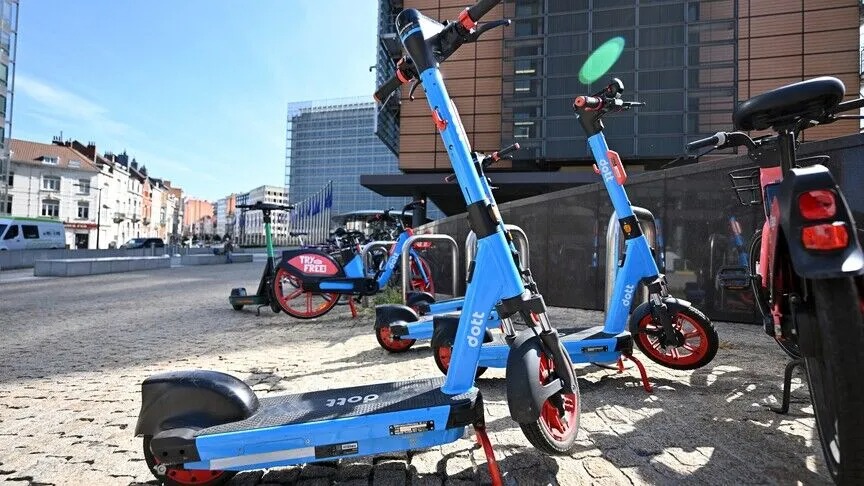
Belgium’s interior minister has called for mandatory license plates on electric scooters, presenting the proposal as a practical tool in the fight against drug related violence that has plagued Brussels in recent weeks. Speaking before the Interior Affairs Committee, Bernard Quintin said electric scooters had been used in two out of three violent incidents recorded over a recent thirty six hour period, citing figures from Dutch language public broadcaster VRT.
Quintin described the current lack of identifiable registration on electric scooters as a clear gap in the country’s safety policy. He argued that mandatory plates could make a significant difference in efforts to trace vehicles used in criminal incidents, noting that scooters without any form of registration are virtually impossible to identify after an attack has taken place. The proposal comes as Brussels continues grappling with a wave of shootings tied to drug networks that has alarmed residents and officials alike in recent weeks.
Electric scooters have become an increasingly common sight on Brussels streets in recent years, offering a fast and flexible way to move through the city’s congested traffic. That same speed and flexibility, however, has made scooters attractive to those involved in criminal activity, according to Quintin, who said the vehicles allow suspects to move quickly through the city while remaining difficult for investigators to trace using existing methods.
The proposal fits within a broader push by Quintin and other officials to strengthen the government’s response to organized crime in the capital. Belgium’s interior minister has already pointed to escalating violence tied to drug trafficking networks as a national emergency, pushing for increased police resources and closer coordination between local and federal authorities to address the problem. Mandatory scooter registration would add another tool to that broader strategy, giving investigators a new way to link vehicles to specific incidents and potentially identify suspects more quickly.
Brussels has already taken separate steps to regulate electric scooters more broadly. City officials have previously introduced rules requiring shared scooter operators to designate specific parking zones, aiming to reduce clutter and safety hazards on sidewalks and bicycle paths. Separately, Brussels has moved to phase out shared electric scooter services entirely by 2027, citing ongoing concerns about how the vehicles are used and parked across the city, even as privately owned scooters would likely remain unaffected by that particular measure.
Implementing a mandatory license plate system would require new legislation and coordination across different levels of government, since transportation and vehicle registration rules in Belgium often involve both federal and regional authorities. Officials have not yet outlined a specific timeline for when such a proposal might move through the legislative process, though Quintin’s comments before the Interior Affairs Committee suggest the idea has gained real momentum within the current government’s broader public safety agenda.
Some transportation and mobility advocates have expressed mixed views on the proposal, noting that while registration could genuinely aid criminal investigations, it also raises practical questions about enforcement, cost, and how such a system would apply to the large number of scooters already in circulation across the city. Similar debates over mandatory registration for electric micromobility vehicles have played out in other European countries as governments try to balance safety concerns with the popularity of these increasingly common transportation options.
As Brussels continues addressing its ongoing struggle with drug related violence, the scooter registration proposal represents one of several measures officials are considering to give law enforcement better tools for tracking and responding to criminal activity. Whether the plan advances toward actual legislation will likely depend on how quickly officials can work through the practical and legal questions involved in setting up a workable registration system.

