

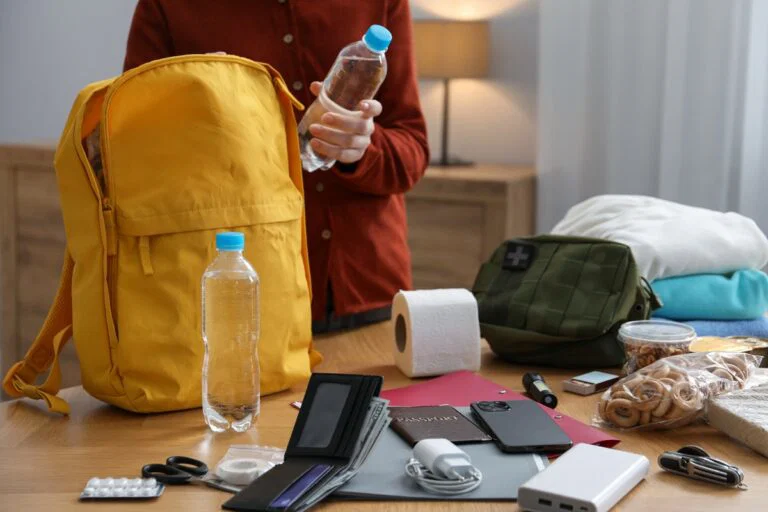
Belgium’s federal government is continuing to roll out a nationwide campaign urging households to prepare for emergencies, part of a four year initiative launched by the country’s National Crisis Centre earlier this year. The campaign asks residents to be ready to cope on their own for at least seventy two hours in the event of situations such as a large scale power outage, severe weather, or a breakdown in internet and communication services.
Interior Minister Bernard Quintin has been a leading voice behind the effort, telling reporters that the risks of both war and natural disasters have increased in recent years, making preparedness a shared responsibility between government and citizens. He has been careful to stress that the campaign is not designed to cause alarm, describing the goal as encouraging practical readiness rather than fear among the public.
The first phase of the campaign has focused heavily on helping people find reliable information during a crisis. Officials are encouraging residents to sign up for the government’s BE Alert system, a tool designed to send official updates directly to registered users during emergencies. Authorities have specifically warned that misinformation tends to spread quickly during moments of crisis, making trusted official channels especially important when accurate details matter most.
A central piece of guidance from the campaign involves building a basic emergency kit at home. The government recommends households store enough supplies to last three full days, including water, non perishable food, basic medical items, flashlights, batteries, cash, and hygiene products. Officials are also encouraging people to prepare a smaller grab bag containing essentials such as food, water, important documents, a phone charger, and first aid supplies in case a situation requires leaving home quickly.
The campaign forms part of a broader four year plan designed to gradually build public resilience across the country. Officials have indicated that future phases will expand to address additional types of risk, including guidance related to nuclear incidents, with local authorities playing an increasing role in helping tailor advice to the specific needs and risks relevant to different communities across Belgium.
The initiative reflects a wider pattern seen across several European countries in recent years, as governments respond to heightened geopolitical tensions alongside a rise in extreme weather events linked to climate change. Belgian officials have pointed to comments from NATO leadership emphasizing the need for a stronger overall readiness mindset among European nations and their populations, citing an unpredictable security environment that has prompted many governments to revisit long dormant civil preparedness planning.
Public health and safety experts have generally welcomed the campaign’s practical focus, noting that basic household preparedness can meaningfully improve outcomes during genuine emergencies by reducing strain on emergency services. When more households can manage independently for the initial hours or days of a crisis, officials say responders are better able to focus limited resources on those most in need of urgent assistance.
Some early public reaction to the campaign’s rollout earlier this year included debate over its timing and tone, with certain officials at the time questioning whether the messaging risked feeling premature or alarming. Government representatives have continued to push back against that framing, maintaining that gradual, practical preparation now reduces panic and confusion later, should an actual emergency situation arise. As the campaign continues expanding into its later phases, officials say they will keep working with local communities to make sure the guidance stays relevant and genuinely useful for households across the country’s different regions.

