

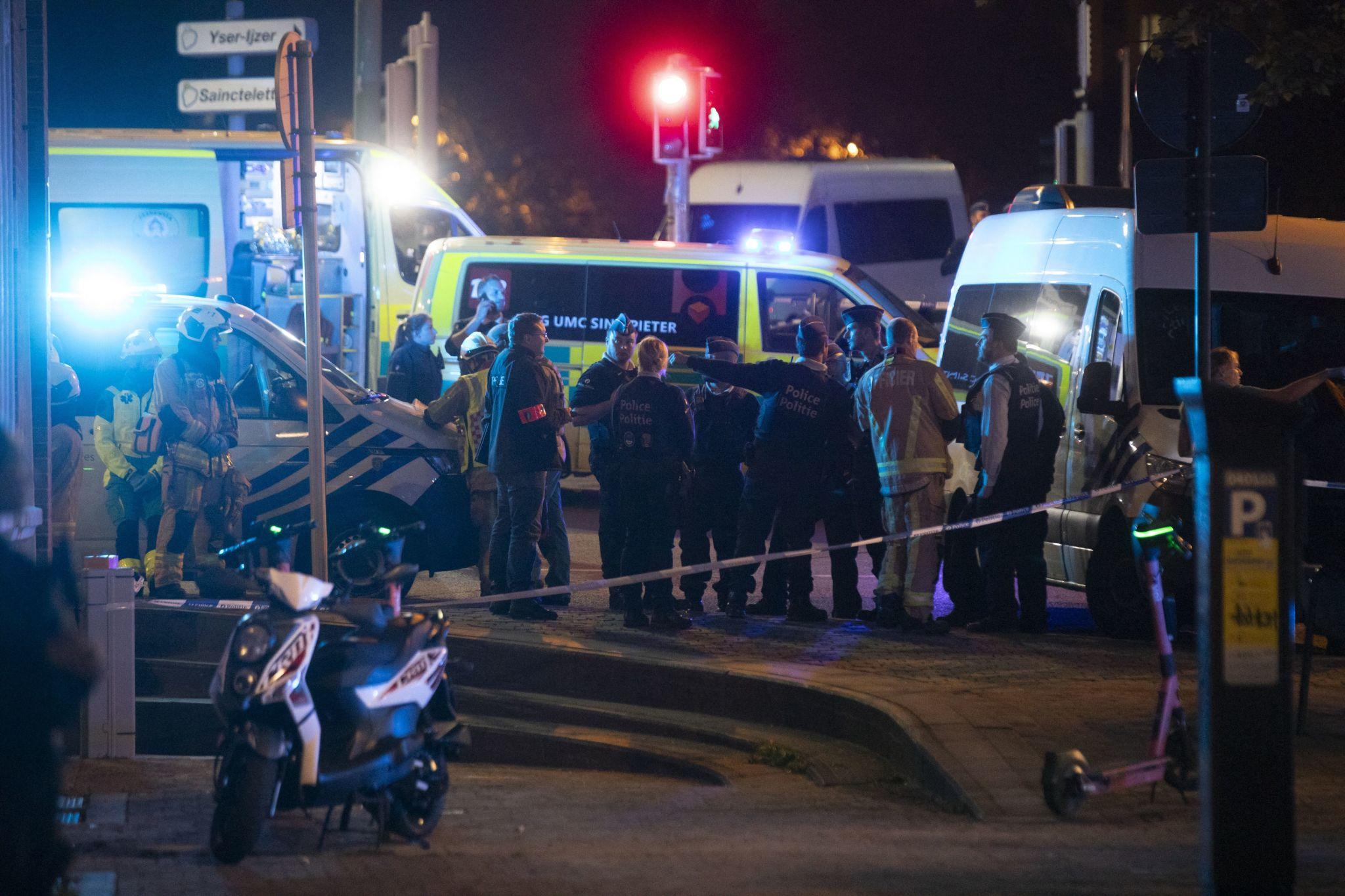
Brussels is facing renewed pressure over public safety after a series of shootings linked to the illegal drug trade. The latest violence has pushed security back to the top of the political agenda in the Belgian capital. Local leaders, police and residents are now calling for stronger action as fear grows in several parts of the city. The issue remained a major concern in Brussels on Friday, August 28.
The recent violence has been especially serious in the Midi police zone. This area covers Anderlecht, Forest and Saint-Gilles. Six shooting incidents were recorded there in only four days, from Friday through Monday night. One of the incidents involved shots being fired at an old police station in Anderlecht. The attacks have raised fresh questions about the ability of authorities to stop drug gangs from using violence in public areas.
The shootings are believed to be linked to fights between groups involved in drug trafficking. Brussels has faced this problem for years, but the latest wave has increased pressure on political leaders. Automatic weapons have been used in some incidents. In one recent case in Saint-Gilles, shots were fired near a pizzeria. People inside the restaurant had to take cover while the shooter escaped. No injuries were reported in that attack.
The violence has also led to calls for greater police action. Residents in Saint-Gilles are planning a public rally to show their anger over the situation. The protest is due to take place at Place de Bethléem, an area that has become known as a local drug dealing hotspot. Residents say they want safer streets and a stronger response from the authorities.
Brussels Minister-President Boris Dilliès has also moved to bring key officials together. A regional Security Council meeting was announced after the recent shootings. The meeting brings together senior federal and regional officials, police representatives and prosecutors. The national drugs commissioner is also expected to take part. The goal is to improve cooperation between the different bodies dealing with drug crime and violence.
The problem is not limited to one neighbourhood. Drug-related crime has become a wider concern across Brussels. Police have been working to identify those behind the shootings and to disrupt the networks that control the illegal trade. But the repeated attacks show how difficult it can be to stop violence when criminal groups compete over profitable drug markets.
The issue is also becoming a political test for Brussels leaders. Residents want action that can reduce violence in the short term. At the same time, police and prosecutors need longer plans to target the networks behind the crime. This requires close work between local authorities, federal services and the justice system.
The latest shootings have also affected the daily life of people living in the areas involved. Residents have reported growing fear after repeated gunfire in streets and public places. The presence of weapons has made the problem more visible and has increased demands for a stronger police presence.
For Brussels, the challenge is now to prevent another cycle of violence. The city must protect residents while also finding the criminal groups behind the attacks. The coming weeks will show whether the new security response can reduce the number of shootings and restore confidence in some of the capital’s most affected areas.

