

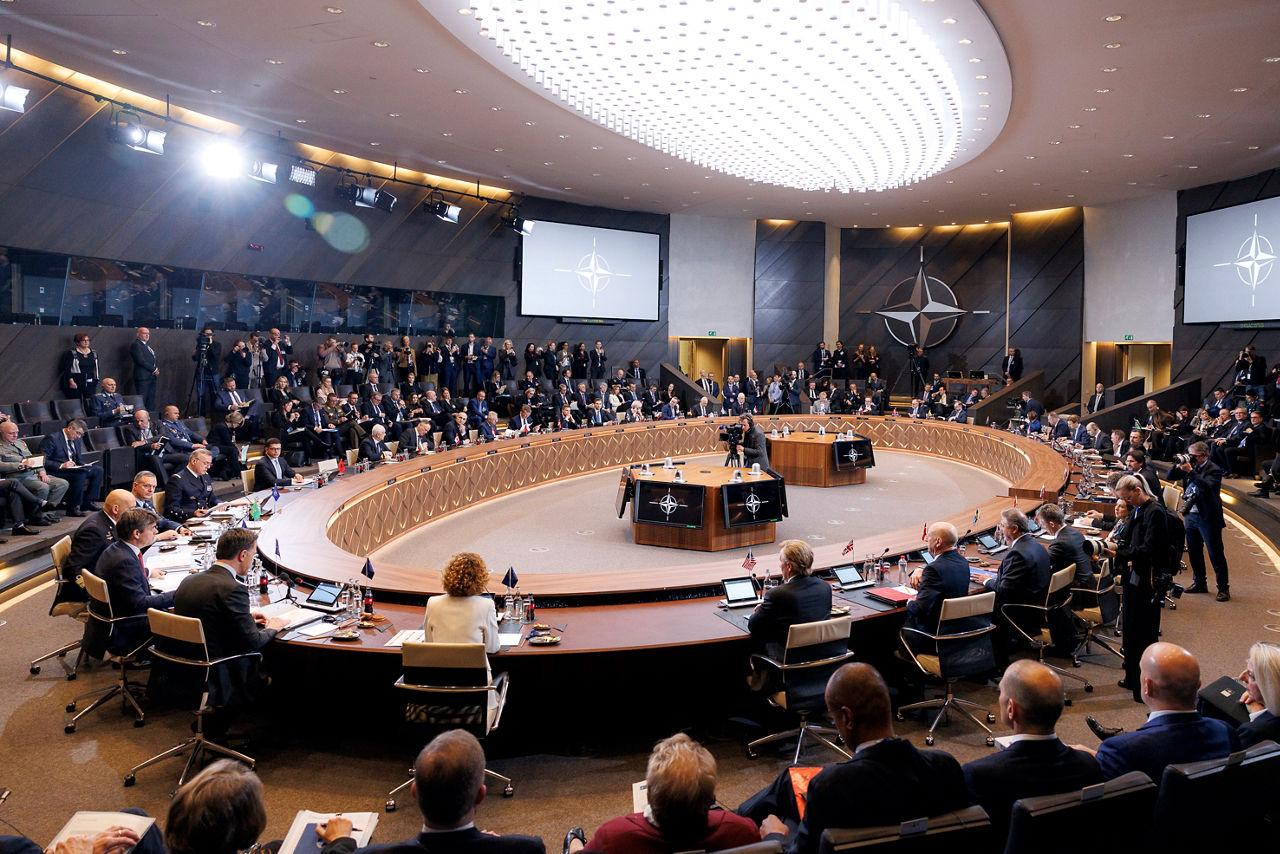
BRUSSELS, August 27, 2026 — NATO defence talks in Brussels are putting fresh focus on the future of European security. Senior European diplomats are due to brief a senior Pentagon policy official on Thursday. The talks come as the United States reviews its military presence in Europe.
European officials are seeking to show that allies are doing more to strengthen their own defence. The talks also come as governments remain concerned about Russia and the future role of US forces in Europe. The meeting is taking place in Brussels, where NATO has its main headquarters.
The US review has raised questions among European allies. For many years, European NATO members have relied heavily on US military power. American forces, equipment and intelligence have played a major role in the defence of Europe.
That dependence has become a major issue. European governments are now under pressure to spend more on defence and build stronger military capacity. The aim is to make Europe better able to respond if US support becomes smaller or less direct.
The meeting also reflects wider concern about Russia. European governments continue to view Russian military power as a major security risk. NATO members are therefore working to improve their readiness and strengthen their ability to protect the alliance.
For Belgium, the talks have special importance because Brussels is home to NATO and many European institutions. Decisions on defence policy made in the capital can affect Belgium’s role in European security. They can also shape spending plans and military cooperation across the region.
European allies have increased their focus on defence in recent years. The war in Ukraine changed the security picture across Europe. It also pushed governments to review military budgets, weapons supplies and national defence plans.
The United States remains a central NATO power. Any change in its military role would therefore have a major effect on the alliance. European countries want to avoid a gap in defence if American forces are reduced or moved elsewhere.
The talks are also about trust between allies. European governments need to know how much support they can expect from Washington. At the same time, US officials want European countries to carry a larger share of the defence burden.
This creates a difficult balance. Europe wants a stronger role in its own defence. Yet building new military capacity takes time and money. It can also require new weapons, more troops and closer cooperation between countries.
Belgium is part of this wider effort. Its location makes it important to NATO operations and European defence planning. The country also hosts key NATO facilities and meetings. That gives Brussels a central place in the debate over the future of the alliance.
The talks come at a sensitive time for Europe. Governments are facing pressure from higher defence needs while also dealing with economic limits. More defence spending can mean less money for other public needs.
European leaders must therefore explain why defence spending is rising. They must also show that new spending will improve security. Clear plans may help build public support for higher military budgets.
The Brussels meeting may not settle all of these issues. However, it gives European officials a chance to explain their plans directly to US defence leaders. It also gives both sides a chance to discuss concerns about the future of NATO.
The key question is how much Europe can do on its own while keeping the US at the heart of the alliance. European governments want stronger defence. The United States wants greater European responsibility.
The NATO defence talks in Brussels show that this debate is now urgent. The decisions made in the coming months could shape NATO strategy, European military planning and the security of the continent for years.

