

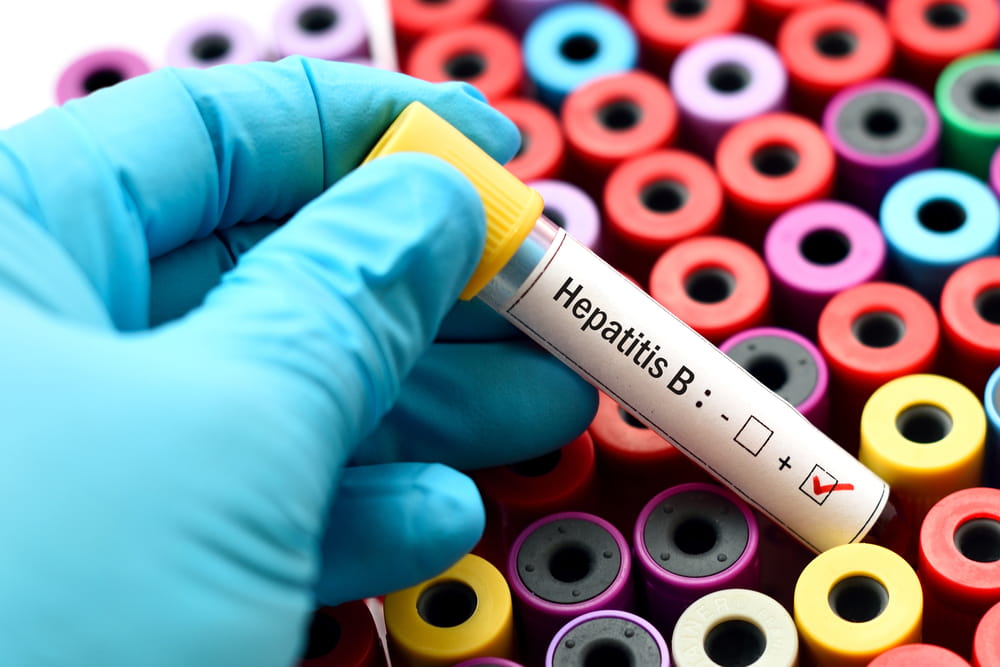
A controversial US-funded study on hepatitis B vaccines for newborns in Guinea-Bissau has been cancelled following widespread criticism over its ethics. The decision was confirmed by Yap Boum, a senior official at the Africa Centres for Disease Control and Prevention, who said the trial’s design raised serious concerns about withholding a proven, life-saving vaccine in a country with a high burden of hepatitis B.
The $1.6m study, overseen by the US Department of Health and Human Services under Secretary Robert F Kennedy Jr, would have involved randomly denying some infants access to the vaccine. Critics compared the proposal to the Tuskegee syphilis experiment, arguing it knowingly put children at risk. Although US officials initially suggested the trial could proceed with revisions, a senior Guinea-Bissau official later confirmed it had been halted due to ethical issues.
Medical ethicists and researchers welcomed the cancellation, calling it a victory for research standards in Africa. Paul Offit said the study would have deprived thousands of children of protection against a virus that can cause lifelong liver disease. About 18% of adults and 11% of infants in Guinea-Bissau are affected by hepatitis B, and the country plans to introduce a universal birth-dose vaccine in 2027 when supplies improve.
The episode has renewed calls for research in Africa to be led by African scientists and shaped by local priorities, rather than exploiting gaps in healthcare access.

