

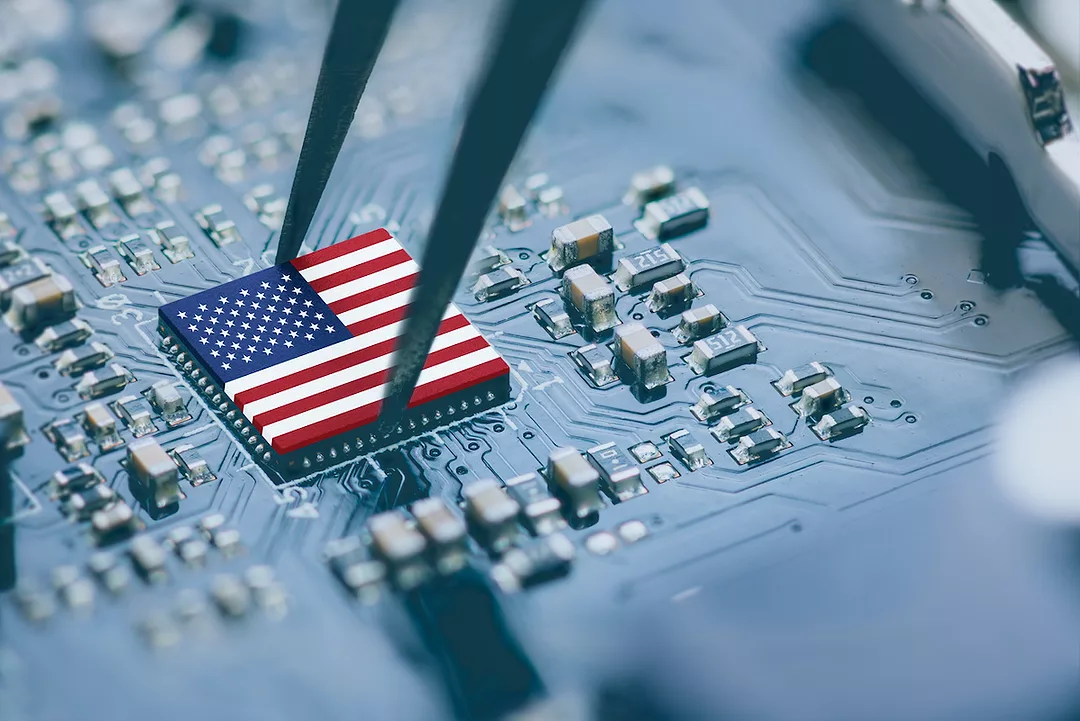
The United States is making major moves in chip manufacturing. A new initiative is helping the country build stronger supply chains. It also improves domestic production of advanced technology. This effort is seen as a key step to secure future leadership in global tech. Experts say it will make the U.S. less dependent on foreign suppliers. It will also create more opportunities for research, development, and manufacturing in the country.
The initiative is part of a broader push to strengthen domestic tech industries. The CHIPS and Science Act is central to this effort. It provides funding for advanced research, development, and semiconductor fabrication in the U.S. This means more resources for designing and producing next-generation chips. Experts say this will improve the nation’s resilience in case of global supply chain disruptions.
Chip manufacturing is critical for modern technology. Semiconductors power smartphones, laptops, data centers, cars, and even artificial intelligence systems. With rising global demand, nations are competing to secure a steady supply. The U.S. initiative focuses on producing more chips at home. This will reduce reliance on imports and ensure stable supply for businesses and consumers.
Investors and analysts are closely watching this initiative. They see it as a sign that the U.S. is committed to long-term innovation. More domestic manufacturing can attract private companies to invest in research and production. It also encourages collaboration between universities, research labs, and tech firms. This combination can accelerate technological breakthroughs and create new jobs.
Supply chain resilience is a top priority. Past global events exposed weaknesses in chip supply. Shortages affected car makers, tech companies, and manufacturers worldwide. By building stronger domestic capabilities, the U.S. can avoid future disruptions. The initiative aims to create a more reliable network for sourcing, producing, and delivering chips. Experts believe this can also make American products more competitive globally.
The CHIPS and Science Act also supports research hubs and innovation centers. These hubs focus on advanced technology and next-generation chips. By locating them in the U.S., the government encourages local talent and expertise. This also provides a pathway for students and researchers to contribute to cutting-edge technology. With better infrastructure and funding, the U.S. can lead in designing faster, more efficient chips for the future.
Job creation is another major benefit. More manufacturing plants and research facilities mean new employment opportunities. Engineers, technicians, and support staff are needed to run these operations. This can boost local economies and strengthen the nation’s tech workforce. Experts say that strong investment in talent and infrastructure is key to sustaining long-term growth.
Global competition in chip production is increasing. Countries around the world are investing in advanced technology to secure their positions. The U.S. initiative helps keep the nation competitive. It ensures that American companies can continue to innovate without relying too heavily on foreign suppliers. Analysts also say it can encourage private sector investment and partnerships.
The initiative is not only about manufacturing but also about research and development. Advanced R&D can lead to more efficient and powerful chips. These chips can support AI, cloud computing, autonomous vehicles, and other next-generation technologies. Strengthening domestic R&D ensures that the U.S. remains at the forefront of innovation.
Overall, the chip manufacturing initiative signals a strong commitment to the future of U.S. technology. It addresses supply chain vulnerabilities, boosts domestic production, and supports innovation. Experts believe this will help the country maintain leadership in critical industries. By investing in manufacturing, research, and talent, the U.S. is positioning itself for long-term growth and competitiveness in the global tech market.
This initiative shows that domestic chip production is not just about making hardware. It is about securing the future of technology, jobs, and global leadership. Strong supply chains, advanced R&D, and skilled workforce together create a foundation for next-generation tech success.

