

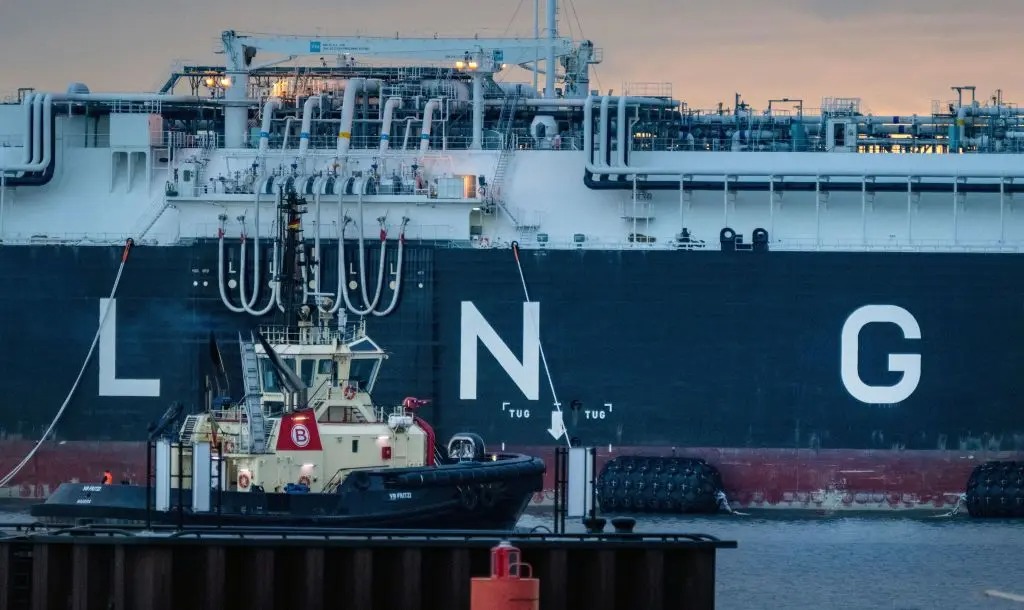
Belgium got all of its imported super-cooled gas from Russia last month. A new energy report from a top research group shows that Moscow supplied one hundred percent of Belgium’s fuel shipments in July. The Center for Research on Energy and Clean Air released the new data. The group monitors gas flows and fuel sales across Europe.
Overall gas buying from Russia fell across Western Europe during the summer. Combined fuel imports into France, Spain, and Belgium dropped by almost half compared to past years. Total gas earnings for Moscow dropped by thirty-six percent worldwide in July. Yet Belgium still relied entirely on Russian ships to fill its coastal gas tanks during the month.
The high import numbers drew sharp criticism from civic groups in Europe. Members of the B4Ukraine network called the ongoing fuel trade deeply shameful. Group leaders said European nations must stop sending money to Moscow for fossil fuels. They want European leaders to end energy deals immediately to stop funding foreign conflicts.
The new report ranks Hungary and Slovakia as the top European buyers of Russian energy. Hungary spent four hundred eighty-six million euros on Russian energy in July. Slovakia spent two hundred ninety-nine million euros during the same period. Both nations rely on long pipelines for daily oil and gas deliveries. They receive crude oil through the Druzhba line and natural gas through the Balkan Stream route.
Belgium, France, and Bulgaria joined Hungary and Slovakia on the top five list of European energy buyers. European leaders previously agreed to end all Russian gas imports over the next few years. European Union rules will ban all Russian ship shipments by 2027. A full ban on pipeline gas will start later that same year.
On a global scale, China remains the single largest buyer of Russian fossil fuels. China accounts for forty-three percent of total Russian energy revenues. India ranks as the second largest energy customer for Moscow. India set new records for Russian oil imports for the second straight month in July.
Lawmakers in the United States are taking action to curb these large energy sales. The United States Senate passed a new bill to punish foreign energy buyers. The proposed law would place one hundred percent import taxes on goods from top energy buyers. The rules would hit the five biggest buyers of Russian oil and gas worldwide.
European energy experts say fuel markets remain fragile as trade patterns shift. Many European nations continue to look for alternative energy suppliers in Asia and North America. Port cities are building new facilities to take in gas shipments from neutral sources. Analysts expect Russian trade numbers to fall further as strict new trade rules take effect across the continent.

