

Kazakhstan’s Mangystau region has secured a major international investment agreement that is expected to strengthen the country’s maritime industry and support economic growth in the Caspian region.
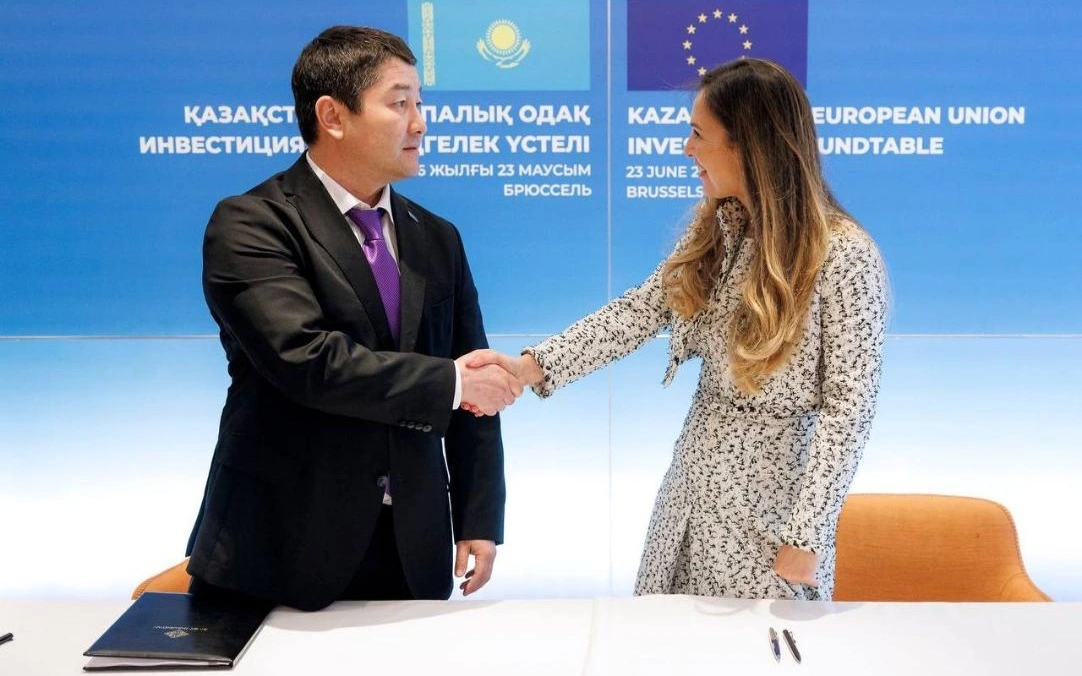
The agreement was signed during high-level meetings in Brussels and involves a partnership with Damen Shipyards Group, one of the world’s leading shipbuilding and maritime infrastructure companies. The total value of the planned investment is estimated at around €100 million.
Officials said the project will focus on establishing a modern shipbuilding facility in the Caspian region. The initiative is designed to expand domestic industrial capabilities, increase vessel production, and improve maritime transport infrastructure.
The investment is expected to introduce advanced shipbuilding technologies and modern production methods. Plans include the construction of a new manufacturing site where vessels can be built to support regional transportation and logistics needs.
Authorities believe the project will create new employment opportunities and contribute to the long-term economic development of Mangystau. The region plays an important role in Kazakhstan’s transport and energy sectors due to its location along the Caspian Sea.
The new shipbuilding facility is expected to strengthen Kazakhstan’s industrial base while supporting efforts to increase trade and connectivity across the region. Government officials said the project aligns with broader goals to diversify the economy and expand high-value manufacturing industries.
Maritime transportation has become increasingly important for Kazakhstan as the country seeks to strengthen its role as a transit hub between Europe and Asia. Investments in ports, logistics infrastructure, and transportation corridors have become a key part of national development plans.
The shipbuilding project is also expected to support cooperation among countries bordering the Caspian Sea. Improved vessel production capacity could enhance regional transport links and contribute to growing trade activity across the area.
Damen Shipyards Group brings extensive experience to the partnership. The company has built a global reputation in shipbuilding, marine engineering, and maritime infrastructure development. Its involvement is expected to provide access to international expertise, advanced technology, and industry best practices.
The agreement was announced during President Kassym-Jomart Tokayev’s visit to Brussels, where he held talks with senior European Union leaders. During the visit, several strategic and commercial agreements were signed to strengthen economic cooperation between Kazakhstan and European partners.
The discussions included meetings with European Council President António Costa and European Commission President Ursula von der Leyen. The leaders focused on expanding cooperation in trade, transport, infrastructure, investment, and sustainable development.
Kazakhstan and the European Union have been working to deepen economic ties in recent years. European countries remain among Kazakhstan’s largest trading and investment partners, while Kazakhstan continues to play a growing role in regional transport and logistics networks.
Officials said the Mangystau shipbuilding project demonstrates the increasing interest of European companies in Kazakhstan’s industrial development. The investment is expected to support technology transfer, workforce development, and industrial modernization.
Economic experts note that large-scale industrial projects can generate long-term benefits beyond direct employment. New manufacturing facilities often create demand for local suppliers, support service industries, and encourage additional investment in related sectors.
As work moves forward on the project, authorities expect the new shipbuilding facility to strengthen Kazakhstan’s position in the maritime industry and enhance the country’s transport capabilities across the Caspian region.
The €100 million investment represents another step in Kazakhstan’s efforts to expand international partnerships, improve infrastructure, and build a more diversified economy capable of supporting future growth and regional connectivity.

