

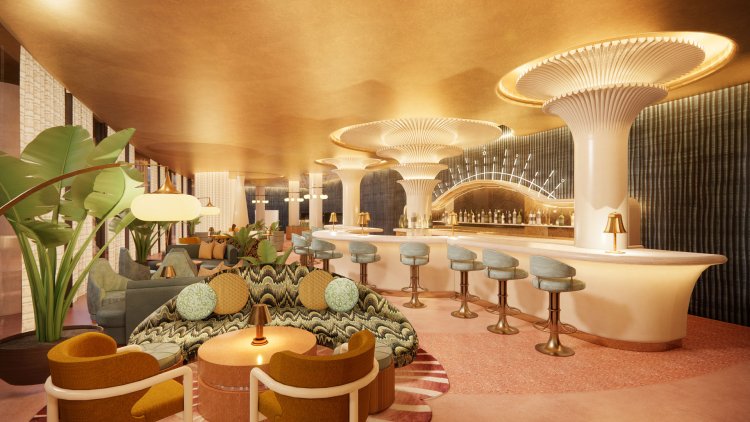
Luxury hotel bookings are rising sharply, even as overall travel spending declines among most Americans. High-end travelers are continuing to invest in premium accommodations, driving nightly rates to new heights.
Recent data shows that luxury hotel rates now average between $1,500 and $2,500 per night. This is a significant increase from pre-pandemic levels, where rates were around $900. The trend indicates that affluent travelers remain undeterred by economic uncertainty.
Industry experts attribute this surge to a combination of factors. Wealthier travelers are prioritizing comfort, privacy, and exclusive experiences over cost. The demand for personalized services, private suites, and curated experiences is fueling growth in the luxury hotel sector.
Luxury resorts and boutique hotels are reporting higher occupancy rates than mid-range accommodations. Some properties are even booking months in advance, reflecting strong consumer confidence among high-net-worth individuals.
Travel analysts note that these trends highlight a widening gap in the travel market. While many Americans are cutting back on discretionary spending, affluent travelers continue to spend generously on premium stays.
Hotels are responding by enhancing their offerings. Upgraded amenities, private dining experiences, wellness retreats, and concierge services are being marketed to attract high-paying clients. These enhancements are creating a more exclusive and tailored travel experience.
The surge in bookings is also boosting related sectors. Luxury travel services, including private jets, yacht charters, and bespoke tours, are seeing increased demand. This indicates a broader shift toward high-end travel experiences.
Experts suggest that the luxury travel market is likely to remain resilient. Affluent travelers are less affected by short-term economic fluctuations, allowing them to continue spending on premium services.
Some hotels are adjusting pricing strategies to reflect rising demand. Dynamic pricing models are being used to optimize revenue while maintaining exclusivity for high-end clients.
The trend also underscores a shift in consumer behavior. Travelers are increasingly valuing unique and memorable experiences over budget-friendly options. Personalized services, immersive cultural activities, and privacy are now key selling points for luxury properties.
Hotel chains are investing in renovations and technology upgrades to meet growing expectations. Smart room features, private pools, and tailored wellness programs are being introduced to attract discerning guests.
Travel advisors report that clients are booking longer stays at luxury destinations. Multi-week trips to resort areas, private islands, and historic boutique hotels are becoming more common, reflecting a willingness to spend on premium experiences.
Despite economic concerns, the luxury hotel sector is thriving. Industry analysts believe that this segment will continue to outperform mid-range and budget accommodations in the near term.
The trend also highlights resilience in the travel and hospitality industry. While overall spending may fluctuate, the appetite for high-end experiences demonstrates enduring demand among wealthy consumers.
Luxury hotel operators are optimistic about future growth. By offering personalized services and exclusive experiences, they aim to maintain strong occupancy rates and attract repeat visitors.
This surge in luxury hotel bookings shows that, for affluent travelers, comfort, exclusivity, and personalized service remain top priorities. As the market evolves, the sector is likely to continue thriving despite broader economic challenges.

