

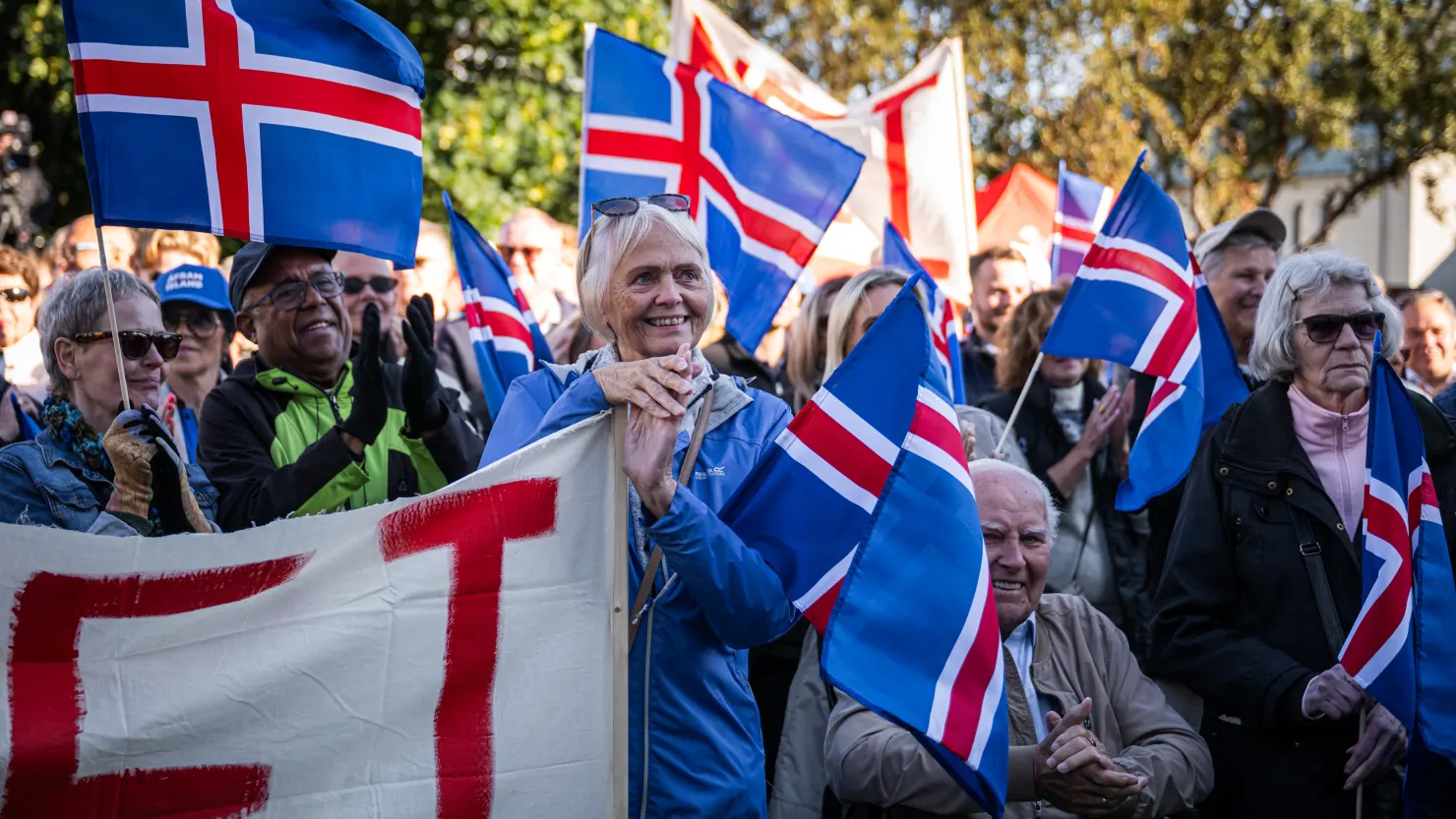
A closely watched vote has drawn attention to Brussels this week, as citizens took part in the Iceland EU referendum on whether to resume long-stalled membership talks with the European Union. The result carries weight not only for Iceland but for the wider debate over how the bloc should approach future enlargement.
Icelandic voters were asked a simple but significant question: should their government restart negotiations to join the European Union, more than a decade after talks were first suspended. The country originally applied for membership following a severe financial crisis, hoping that EU membership might offer greater economic stability. Negotiations stalled a few years later and were formally shelved, though the question of membership has continued to divide public opinion ever since.
For European Union officials based in Brussels, the vote is being watched as a signal of how public sentiment toward membership is shifting across the continent. The bloc is currently navigating a broader and more complex enlargement process, with several other countries at various stages of membership talks. Officials have said that any renewed interest from Iceland would be welcomed, though they stress that formal negotiations would still need to address a long list of technical and legal requirements.
The debate within Iceland has echoed familiar arguments heard in other countries considering membership. Supporters argue that joining the union could offer greater economic security, closer trade ties, and a stronger voice in shaping European policy. Opponents worry about losing control over key national resources, particularly fisheries, which remain central to the country’s economy and cultural identity.
Brussels has, in recent years, emphasized the importance of enlargement as part of its broader strategic vision, particularly as the bloc works to strengthen ties with candidate countries in the Western Balkans and Eastern Europe. Officials argue that a larger, more unified Europe is better positioned to respond to global economic and security challenges, though expanding membership also raises complex questions about governance and decision-making within the bloc.
Analysts note that even a positive result in Iceland would not guarantee eventual membership. Any renewed negotiations would likely take years, covering detailed discussions on trade rules, environmental standards, and legal harmonization. Previous talks stalled partly due to disagreements over fishing rights, an issue that remains highly sensitive among Icelandic voters.
The vote also comes amid a wider conversation across Europe about the pace and shape of enlargement. Several nations are pushing for faster progress on membership bids, arguing that geopolitical pressures make a larger, more unified bloc increasingly important. Others urge caution, warning that rapid expansion could strain the EU’s institutions and decision-making processes.
For Brussels, the coming months will likely involve careful diplomacy, regardless of the referendum’s outcome. Officials have signaled openness to renewed talks with Iceland while continuing to manage a growing list of enlargement discussions elsewhere. Balancing these competing priorities remains a delicate task for EU leadership.
Whatever the final result, the Iceland EU referendum has reignited long-standing debates about sovereignty, economic security, and Europe’s future shape. Observers say the vote offers a useful window into how smaller nations weigh the benefits and costs of closer integration, a question likely to remain central to European politics for years to come.

