

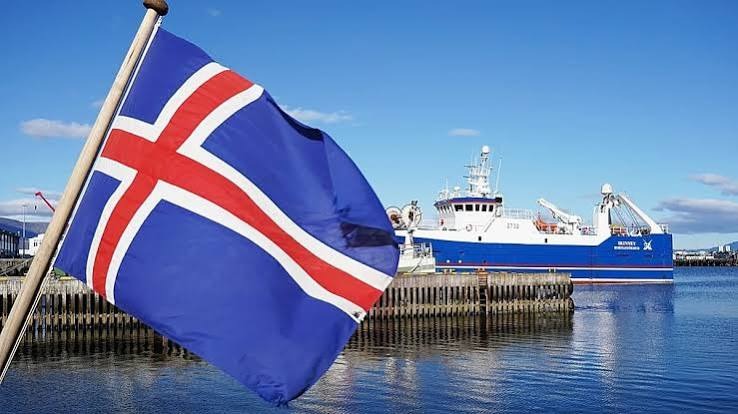
The Iceland EU membership vote has become one of the most closely watched political stories in Europe this weekend, with early results pointing to a razor-thin outcome. Voters across Iceland took part in a referendum deciding whether the small island nation should join the European Union, a step that would mark a major shift in its long-standing policy of staying outside the bloc. Officials in Brussels have followed the count with keen interest, aware that the result could carry weight far beyond Iceland’s borders.
Turnout was reported to be high in the early stages of voting, suggesting strong public interest in the outcome. Supporters of joining the union have argued that membership would bring economic stability and closer ties with major European trading partners. They say Iceland’s small, open economy would benefit from smoother access to European markets, along with a stronger voice in shaping rules that already affect much of its trade.
Opponents of joining have raised concerns about losing control over key national resources, especially fishing rights, which remain a sensitive issue for many Icelanders. Critics argue that giving up full control over these waters could hurt local communities that depend heavily on the fishing industry. The debate has split public opinion sharply, with polls showing the vote could go either way until the very end.
Iceland’s prime minister has also pointed to wider global pressures shaping the debate, including tension in trade relations with larger powers. Some officials have suggested that stronger ties with the European Union could offer Iceland more protection against unpredictable trade policies from outside partners. This argument has resonated with voters worried about being left exposed in an increasingly uncertain global economy.
For the European Union, a successful vote in favor of membership would mark a rare moment of expansion at a time when the bloc has faced years of internal disagreement over budgets, migration, and security policy. Brussels has generally welcomed the idea of Iceland joining, seeing it as a stable, wealthy nation that could strengthen the union’s northern presence. However, officials have been careful not to appear too involved in the vote, respecting Iceland’s right to decide its own path.
The result also comes at a time when several other European nations are watching closely to see how public opinion shifts on questions of sovereignty versus cooperation. Iceland’s decision could influence debates in neighboring regions considering similar questions about their own relationships with the bloc. A close result either way is likely to fuel further discussion about the future shape of the European Union in the years ahead.
As final results are counted, both sides are preparing for the possibility of a narrow win or loss. Analysts say a tight outcome could lead to renewed debate regardless of the result, given how divided public opinion has been throughout the campaign. Whatever the final tally, Iceland’s vote is set to remain a major talking point in European politics for weeks to come.

