

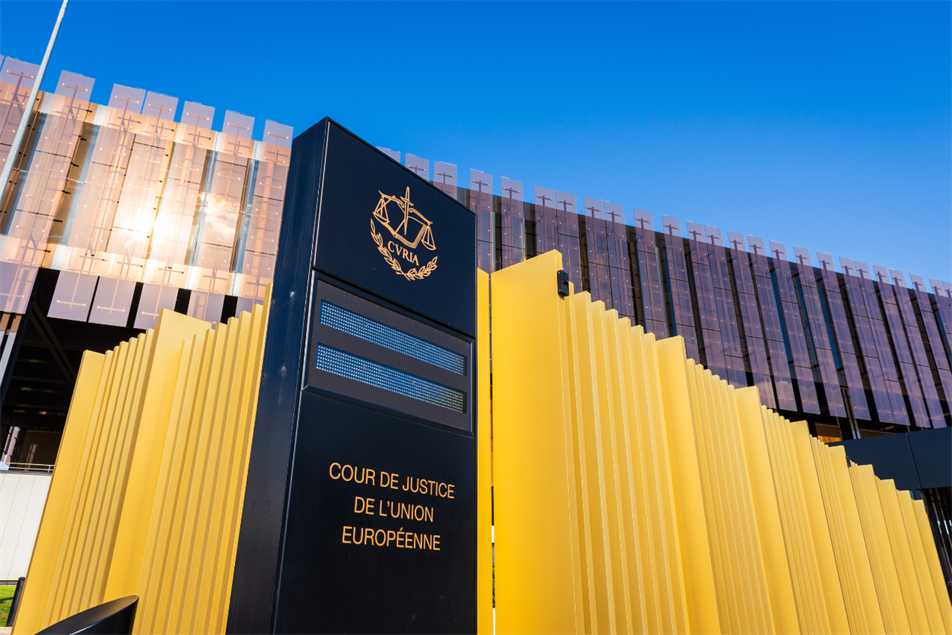
The European Union has escalated legal action against Portugal in a growing Portugal EU energy dispute, referring the country to the Court of Justice of the European Union over delays in adopting key renewable energy laws.
The European Commission said Portugal, along with Greece and Malta, failed to properly implement the Renewable Energy Directive III, known as RED III, into national law. The deadline for adoption passed in May 2025, but the rules have still not been fully introduced in these countries.
Brussels is now seeking financial penalties against all three member states. The Commission says the delay weakens the EU’s overall energy transition plan and slows down progress toward renewable energy targets.
RED III is a major part of the EU’s green energy strategy. It includes binding targets for renewable hydrogen use. Under the rules, renewable hydrogen must account for 42 percent of industrial hydrogen demand by 2030 and 1 percent of transport energy.
However, the Portugal EU energy dispute reflects wider concerns across Europe. Many countries have missed deadlines or reduced the ambition of their national targets. This has raised questions about how realistic the EU’s hydrogen goals are.
Industry experts say the policy is intended to create demand for green hydrogen. But they also warn that high production costs are slowing progress. Renewable hydrogen remains significantly more expensive than fossil fuel-based hydrogen in many parts of Europe.
This cost gap has led some governments to adopt softer approaches. Italy has fully integrated EU hydrogen targets into national law. Germany has focused more on transport targets that increase gradually. The Netherlands has reduced some industrial requirements after reviewing costs for businesses.
Energy analysts say these differences show a growing divide in how EU countries are responding to the same policy. The Portugal EU energy dispute highlights the challenge of balancing environmental goals with economic realities.
Some experts argue that strict enforcement without flexibility could slow industrial growth. They warn that companies already face high energy prices and global competition pressures.
Despite criticism, the European Commission insists that implementation is necessary. It says RED III is essential for building a stable renewable hydrogen market and reducing dependence on fossil fuels.
The Commission also argues that clear targets will help drive investment in clean energy technologies. It believes this will support long-term energy security and lower emissions across the EU.
In a separate but related move, the European Commission has also issued a formal warning to Portugal over electricity market reforms. This is part of another legal process known as an infringement procedure.
The Commission says Portugal has not fully adopted new EU electricity rules designed to stabilize consumer prices. These rules aim to reduce reliance on fossil fuel price fluctuations and make energy costs more predictable.
EU officials say the reforms would help households and businesses benefit more directly from low-cost renewable energy production. They also aim to improve transparency and consumer choice in energy contracts.
The Portugal EU energy dispute now includes both renewable energy law delays and electricity market reforms. Together, they show growing tension between national implementation and EU-wide energy goals.
Portugal, Croatia, and Poland have been given two months to respond to the Commission’s concerns. If they fail to act, the EU may continue legal proceedings, which could lead to financial penalties.
The case highlights ongoing challenges within the European Union’s energy transition strategy. While all member states support clean energy goals in principle, the pace and method of implementation remain uneven across the bloc.
EU officials say they remain committed to enforcing energy laws consistently. However, industry voices continue to call for more practical timelines and flexible targets to avoid slowing down investment and industrial growth.

