

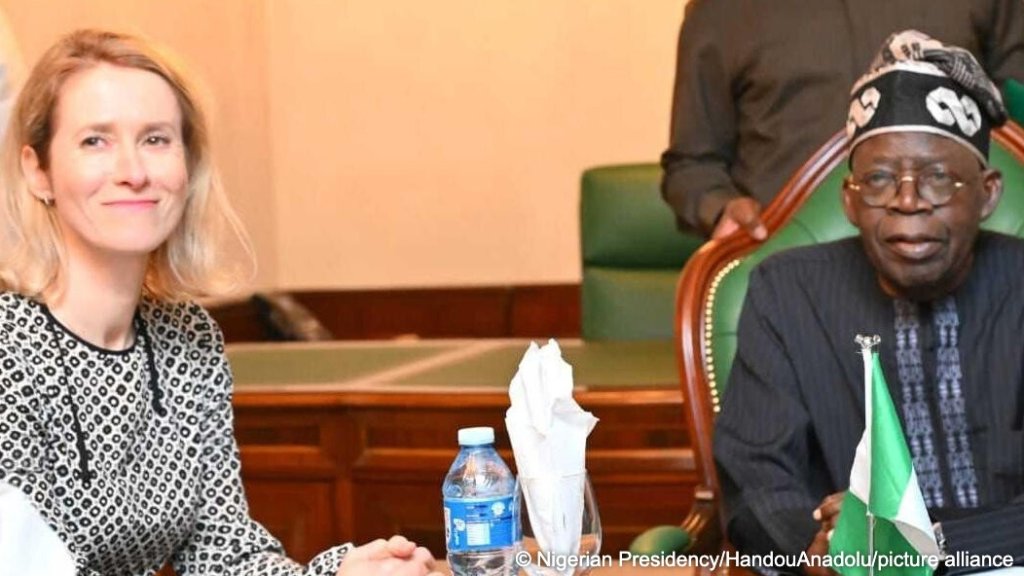
Nigeria has called for stronger cooperation with the European Union to improve humanitarian support and reduce poverty. The appeal came during a series of high-level meetings in Brussels, where Nigerian officials discussed ways to strengthen long-term partnerships and improve assistance for vulnerable communities.
Minister of Humanitarian Affairs and Poverty Reduction Dr. Bernard Doro said closer international cooperation is needed as many countries face growing humanitarian and development challenges. He noted that global humanitarian funding has become more limited, making it important for governments and international partners to use available resources more effectively.
The discussions took place in Brussels, Belgium, where Doro met with Members of the European Parliament and senior European Union officials. The meetings focused on humanitarian response, social protection, poverty reduction, and future areas of cooperation between Nigeria and the European Union.
According to a statement released by the minister’s office, Doro held talks with Leire Pajín and Hana Jalloul Muro, along with other European Union representatives.
During the meetings, Doro stressed the need for governments and development partners to move away from separate and unconnected aid programmes. He said countries should instead build coordinated systems that improve efficiency, reduce duplication, and deliver better results for people who need support.
The minister explained that stronger cooperation can help ensure that limited financial resources create lasting benefits. He said well-planned partnerships can improve the delivery of humanitarian assistance while also supporting long-term development goals.
A major part of the discussions focused on Nigeria’s new reform programme known as the One Humanitarian–One Poverty Response System, or OHOPRS.
Doro described the initiative as a national framework designed to bring humanitarian assistance, social protection, and poverty reduction together under one coordinated system. He said the approach aims to improve cooperation among government agencies and development partners while making public services more effective.
According to the minister, integrating different support programmes into a single system will help reduce duplication and ensure that assistance reaches vulnerable communities more efficiently.
He said the framework is intended to provide sustainable solutions rather than relying only on short-term humanitarian responses. The government believes that combining emergency support with long-term poverty reduction measures can strengthen communities and improve living conditions.
The meetings also provided an opportunity to discuss broader cooperation between Nigeria and the European Union. Both sides explored ways to strengthen partnerships in humanitarian action, social development, and capacity building.
The European Union has worked with Nigeria for many years on projects related to humanitarian relief, education, health, governance, and economic development. Cooperation has also expanded in areas such as climate resilience, migration management, and support for displaced populations.
Nigeria continues to face humanitarian pressures in several regions because of displacement, food insecurity, and economic challenges. Government officials have said stronger international cooperation remains important for meeting immediate humanitarian needs while supporting long-term national development.
Development experts have increasingly emphasized the importance of linking humanitarian assistance with social protection programmes. This approach aims to help vulnerable families recover more quickly while reducing dependence on emergency aid over time.
Officials also highlighted the need to make better use of available resources as global humanitarian funding becomes more competitive. Many international organizations have called for stronger partnerships that combine financial support, technical expertise, and policy cooperation.
The latest EU Nigeria Partnership discussions reflect Nigeria’s efforts to deepen cooperation with international partners while improving support for vulnerable communities. By promoting coordinated humanitarian action, stronger social protection systems, and sustainable poverty reduction policies, Nigerian officials hope to build long-term solutions that improve lives and strengthen national development.

