

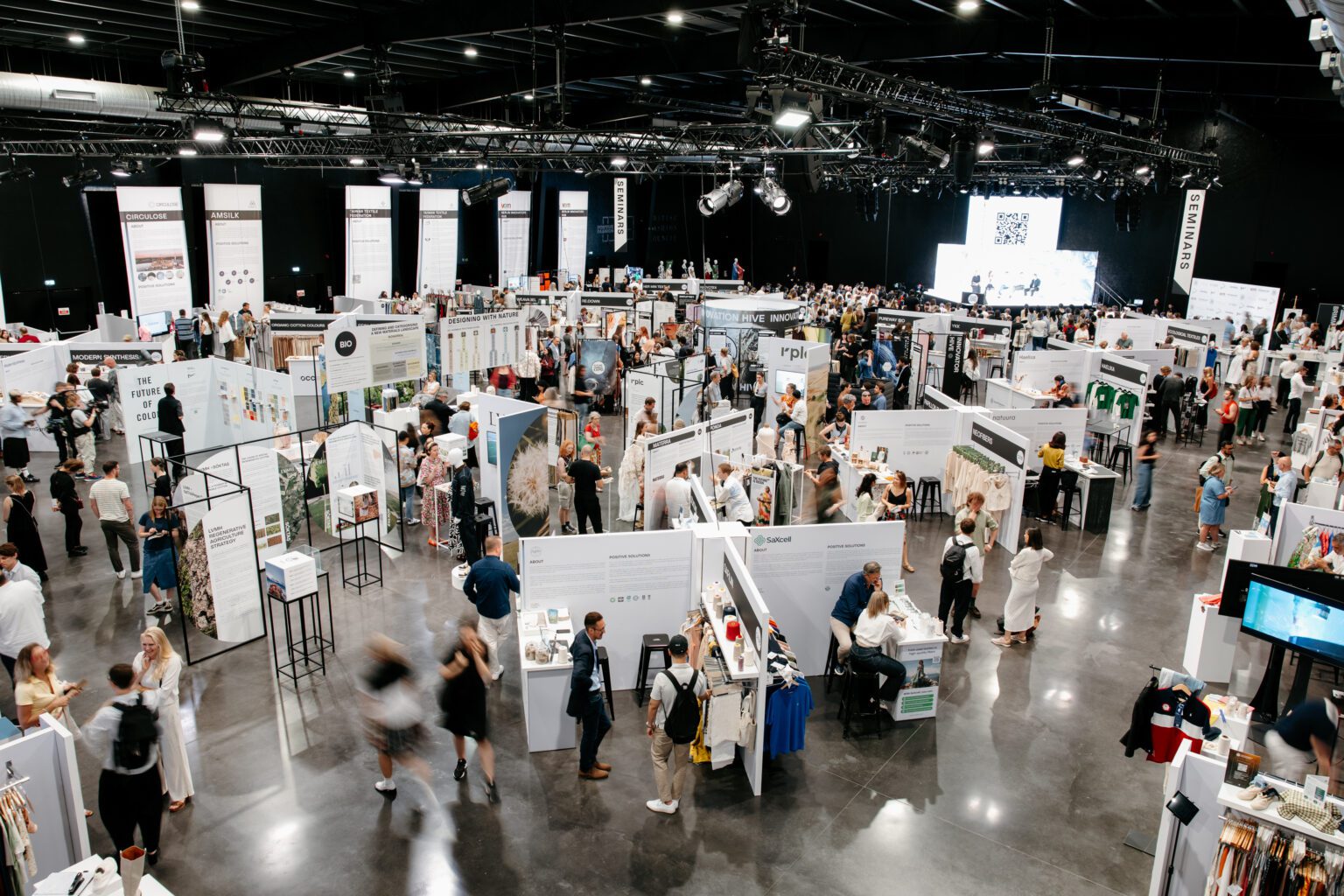
The global push for sustainable fashion is gaining momentum as companies look for ways to cut waste and improve supply chain transparency. At the centre of this shift is a growing focus on Circular Textile Solutions, which aim to reuse materials and reduce environmental impact across the clothing industry.
A major player in this space, Indorama Ventures, is showcasing its latest innovations at the Textiles Recycling Expo in Brussels on June 24–25, 2026. The company is highlighting how circular systems can move from concept to large-scale industrial reality.
The event brings together textile producers, fashion brands, and sustainability experts. The goal is to improve how materials are sourced, tracked, and reused. With rising pressure on the fashion industry to reduce waste, recycled materials are becoming a key part of long-term strategy.
Indorama Ventures produces recycled polyester staple fibres and filament yarns used in global textile manufacturing. The company says its focus is on building reliable circular supply chains that can support large production volumes while maintaining traceability.
According to Claire Mattelet, Global Sustainability Program Head for the company’s fibres division, transparency remains one of the biggest challenges in the textile industry. She explained that brands often struggle to track where raw materials come from, especially in complex global supply chains involving fibres, polymers, and yarns.
She added that Indorama Ventures works with a network of partners to improve visibility across the supply chain. This helps brands verify sourcing, reduce delays in material approval, and adopt recycled inputs more quickly.
At the Brussels expo, the company is presenting its approach to scaling circular textile systems. This includes combining industrial production capacity with regional supply networks and technical expertise across different stages of manufacturing.
A key feature of the presentation is the company’s deja™ product range. These materials include recycled fibres and yarns made from textile waste and bio-based inputs. The aim is to support fashion brands in reducing environmental impact without compromising performance or quality.
Industry experts say circular textiles are becoming more important as governments and consumers push for lower emissions and less waste in fashion production. The sector is one of the world’s largest industrial polluters, making sustainability efforts a major global priority.
Companies attending the expo are exploring new ways to improve recycling systems, reduce carbon emissions, and increase the use of recovered materials in new clothing production. Many are also focusing on how to make supply chains more resilient in the face of global disruptions.
Indorama Ventures says its global reach allows it to connect brands with trusted suppliers and improve access to recycled materials at scale. This is seen as a key step in helping the industry move away from linear production models, where products are made, used, and discarded.
Instead, circular models aim to keep materials in use for as long as possible through recycling and reuse. This reduces dependence on virgin resources and helps lower environmental impact across the product lifecycle.
Visitors to the company’s booth at the expo will be able to speak with experts about reducing textile waste, improving supply chain tracking, and accelerating the shift toward circular production methods. The company also plans to share strategies for lowering CO₂ emissions in textile manufacturing.
As the fashion industry continues to evolve, circularity is becoming a central theme in sustainability discussions. Events like the Brussels expo highlight how companies are working to turn environmental goals into practical industrial solutions.
With increasing demand for transparency and accountability, circular textile systems are expected to play a larger role in shaping the future of global fashion production.

