

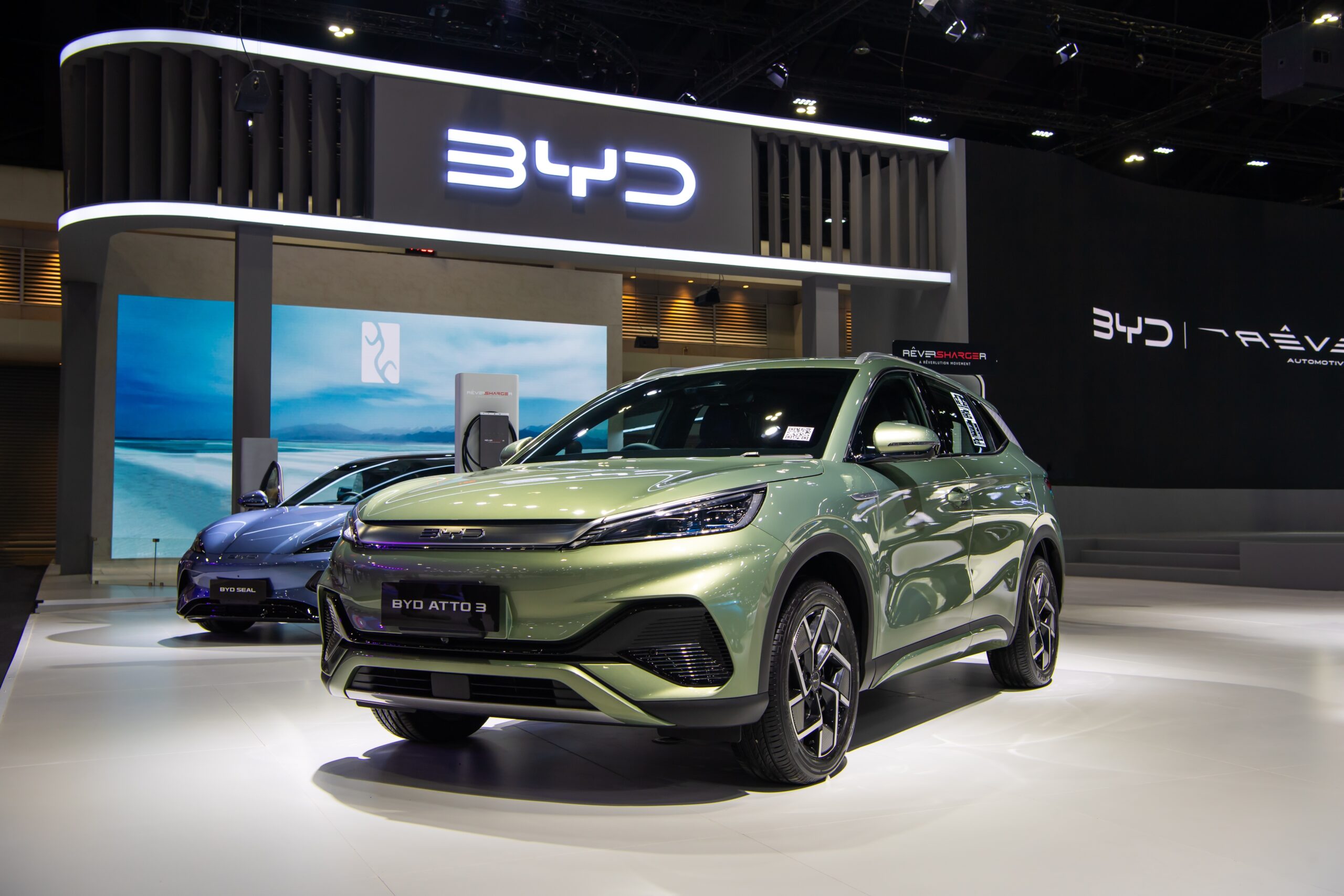
Shares of Chinese electric vehicle maker BYD fell by up to 8% on Monday. The drop followed weaker earnings, pressured by aggressive discounting in a highly competitive EV sector.
Earnings take a major hit
On Friday, BYD reported net profit of 6.4bn yuan ($900m; £660m) for April to June. That marked a 30% decline compared with the same period last year. The company said fierce price competition among EV makers had weighed heavily on results.
Rivals intensify the battle
The Shenzhen-based automaker faces competition from Nio, XPeng, and Tesla. All have slashed prices to attract buyers. BYD shares opened lower in Hong Kong but recovered slightly later in the session.
The company said competition had reached “fever pitch”. It also criticised excessive marketing practices, which it argued disrupted the market. Manufacturers have relied on subsidies and zero-interest loans, further squeezing profit margins.
Beijing warns against deep discounts
Chinese regulators have urged carmakers to stop aggressive price cuts, citing risks to the broader economy. Average car prices in China have fallen about 19% over the past two years. Current prices now stand near 165,000 yuan ($23,100; £17,100), according to industry data.
Despite strong overseas sales, BYD’s earnings fell short of analyst expectations. Modest growth forecasts turned into a significant decline.
Sales ambitions under pressure
BYD set a goal of 5.5 million global sales this year. By the end of July, it had sold only 2.49 million vehicles. Prof Laura Wu of Nanyang Technological University in Singapore described the results as “surprising”. She said they show even leading companies remain vulnerable in a cut-throat market.
Wu said the stock drop reflected investor disappointment. She added that past policies encouraged too many competitors, making market control difficult. While lower prices help consumers now, she warned of long-term oversupply risks.
Analysts remain cautiously optimistic
Investment manager Judith MacKenzie of Downing Fund Managers said the decline should not be overemphasised. She argued that BYD’s rapid rise made a temporary slowdown inevitable.
The company has already overtaken Tesla as the world’s largest EV maker, surpassing it in revenue in 2024. Its growth has been fuelled by strong demand for hybrid vehicles across China, Asia, and Europe.

