

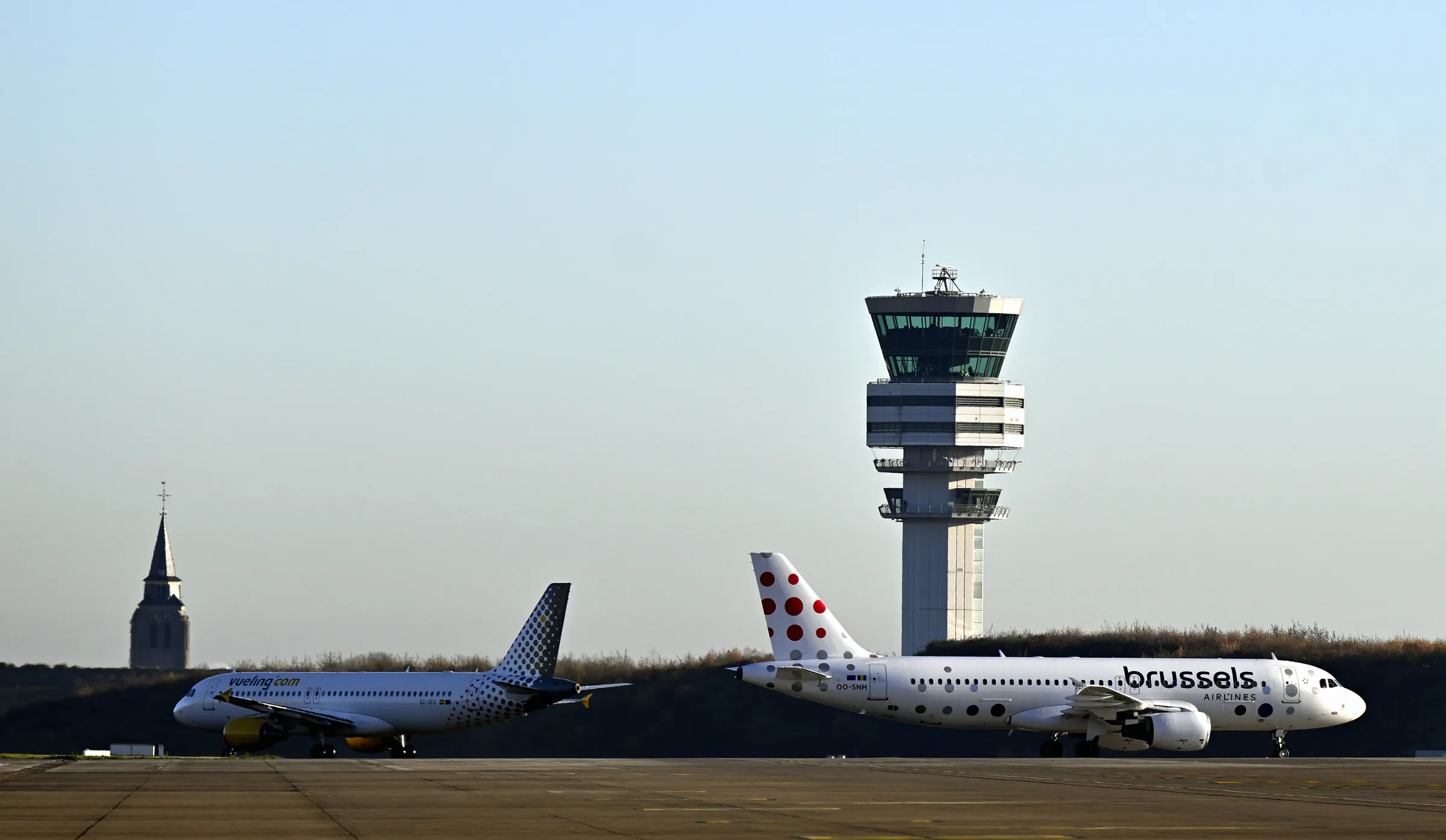
Brussels Airlines, part of Brussels Airlines, says it has strong fuel security despite the ongoing Middle East crisis. The airline confirmed that kerosene supply is secured for the next four to six weeks. CEO Dorothea von Boxberg said the company is watching risks linked to the Strait of Hormuz blockade. She added that flight schedules remain unchanged. The airline said the current situation has not caused operational disruption. Industry experts are closely tracking fuel supply chains as tensions continue in key shipping routes. Airlines across Europe are reviewing their fuel plans to manage risk.
The airline said its fuel suppliers have given clear assurances. Deliveries of kerosene are stable for now. This reduces immediate risk of shortages. The company said new fuel sources are also entering the European market. These come from regions outside the Middle East. This helps balance supply pressure. Brussels Airlines fuel planning team said there is no sign of short-term disruption. The airline continues normal operations across its network. Passengers are not expected to face schedule changes due to fuel issues.
A key factor is hedging. Brussels Airlines has hedged 80 percent of its kerosene needs. This means prices are locked in for a period. It protects the airline from sudden fuel price jumps. This strategy gives the airline a strong cost advantage. It is especially useful compared to some US carriers. Many US airlines hedge less or not at all. The company also benefits from the NATO pipeline system. This system helps secure fuel supply in Europe during global disruptions. It improves stability for Brussels Airlines fuel operations.
CEO Dorothea von Boxberg said passengers should not worry about cancellations. She said there will always be fuel available. She also said the airline is in a stronger position than many global competitors. She pointed to diversified supply routes. The airline continues full flight operations. Demand for travel remains stable. Customers are still booking flights without major concern. The airline is monitoring the Middle East situation closely. It will adjust plans only if needed.
However, the Middle East crisis is affecting costs. Lufthansa Group, the parent company, reported higher fuel expenses. This has reduced profit expectations for the year. Brussels Airlines said it will not reach its 8 percent profit margin target. Rising fuel prices are the main reason. The airline still expects to return to profit in 2026. Fuel remains the largest operating cost for airlines. Higher global prices are putting pressure on European carriers.
The company also faces internal challenges. Union protests in Belgium are creating extra costs. A national protest in March cost more than one million euros. Another planned action could add more losses. The CEO said these events are frustrating. She said the airline is not part of the dispute. Still, it must pay the cost. These disruptions add pressure during a difficult period for Brussels Airlines fuel management and operations.
The Lufthansa Group also posted an operating loss of 612 million euros in the first quarter. It blamed rising fuel prices. To manage costs, it is cutting some flights and increasing ticket prices. However, there is a small positive trend. Some passengers are avoiding Middle East hubs. They are choosing European connections instead. This supports demand in other routes. Revenue increased by 8 percent in the first quarter. The group expects stronger performance in 2026. It predicts operating profit will be at least 10 percent higher than 2025. The outlook depends on fuel stability and global travel demand.
Overall, the airline industry in Europe is facing mixed pressure from fuel costs and global tensions. Brussels Airlines fuel planning remains focused on stability and cost control. Analysts say hedging strategies will help reduce short-term risk, but long-term prices remain uncertain. Travel demand in Europe is still strong, especially for summer routes and business travel. The company continues to adapt its network based on fuel supply and market conditions.

